How to Choose the Right Clear Polythene Bags for Your Needs?
Choosing the right Clear Polythene Bags can significantly impact your packaging decisions. According to industry expert Emily Cartwright, "The right bag makes all the difference." She emphasizes that understanding your needs is crucial for effective selection.
When evaluating Clear Polythene Bags, consider the material thickness and size. Thicker bags offer better protection for fragile items. However, flexibility in size can enhance usability for different products. It's essential to find the balance that works for your specific requirements.
Many overlook the importance of recycling and environmentally friendly options. With growing awareness, consumers prefer sustainable choices. Reflecting on your choices can lead to better practices and solutions. Choosing wisely today shapes the industry for tomorrow.
Identifying Your Specific Needs for Clear Polythene Bags
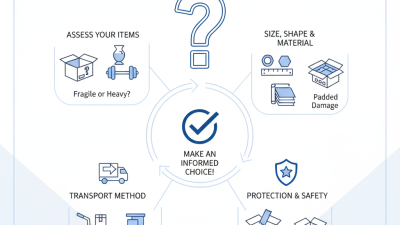
When selecting clear polythene bags, identifying your specific needs is crucial. Consider the dimensions you require. Bags come in various sizes, which can affect their functionality. A bag too small may not accommodate your items, while an excessively large bag could waste space. Think about your items' shape as well. Flat items might need different bag dimensions compared to bulkier ones.
Another essential aspect is the thickness of the polythene. Thicker bags provide better durability for heavier items, while thinner bags may suffice for lighter products. Be cautious, though; a bag that's too thin might tear easily. In contrast, you don’t need heavyweight bags for items that aren't very delicate or substantial.
Reflect on the purpose of the bags as well. Are they for storage or display? Do you need resealable features? Clear bags are versatile, yet they suit different applications. A one-size-fits-all approach rarely works here. Test different options to find what suits your needs best. Being clear on your requirements leads to better choices.
How to Choose the Right Clear Polythene Bags for Your Needs?
| Dimension |
Usage |
Thickness (microns) |
Recommended for |
| 10 x 15 inches |
Craft supplies |
30 |
Small items |
| 12 x 18 inches |
Food packaging |
40 |
Sandwiches, baked goods |
| 16 x 24 inches |
Clothing |
50 |
Garments |
| 18 x 30 inches |
Stationery |
70 |
Books, folders |
| 24 x 36 inches |
Art supplies |
100 |
Large canvases |
Factors to Consider in Bag Thickness and Durability
Choosing the right clear polythene bags involves understanding various factors, especially thickness and durability. According to industry reports, bag thickness is often measured in microns. Thicker bags, typically above 50 microns, provide better protection for items. They resist tearing and can withstand heavier loads, making them suitable for industrial and commercial applications.
Durability is closely linked to thickness. A study from the British Plastics Federation states that polythene bags can be up to 300% stronger when optimally designed. However, not all applications require high durability. For lightweight products, thinner bags under 30 microns could suffice. These options are cost-effective but may lack the robustness needed in some environments.
It's crucial to consider the environment where the bags will be used. Moisture, temperature, and exposure to sharp objects can impact their performance. Selecting a bag that is too thin for the task can lead to product damage. The right balance between thickness and intended use often requires careful evaluation and user experience. Making informed choices can enhance efficiency and prevent waste.
Choosing the Right Size for Different Applications
Choosing the right size for clear polythene bags is crucial for various applications. Different items require different dimensions to ensure proper protection and presentation. For small items, like hardware or jewelry, small bags can securely house individual pieces. The dimensions should be tailored to avoid excessive space, which may lead to damage or movement.
For larger items, such as clothing or bulk groceries, you need more spacious bags. These bags should provide enough room to keep items secure yet still offer a snug fit to prevent shifting. Measuring the items accurately before selecting a bag size is key. A bag that is too tight can tear, while one that is too loose may offer little protection.
Assessing your specific needs can often lead to oversight. It's easy to underestimate how much space an item will require. For example, a box of chocolates needs more room than you might think. A thoughtful approach includes considering not just size but also weight and material thickness. Finding that balance will protect your products and enhance their presentation.
Understanding Types of Clear Polythene Bags Available
When selecting clear polythene bags, it’s crucial to understand the different types available. These bags come in various thicknesses and sizes, tailored for specific uses. For instance, lightweight bags are often used for temporary storage. They are ideal for packaging items like clothing or food in retail environments. Thicker varieties offer durability for heavier objects, making them suitable for shipping or long-term storage.
Another consideration is the clarity of the bags. Some applications require high transparency for visibility. In contrast, others may need just enough clarity for labeling. Additionally, certain bags feature special properties like UV protection or anti-static qualities. These options cater to various needs in industries such as electronics or agriculture.
It is essential to reflect on the environmental impact of polythene bags. While they provide convenience, the implications for sustainability cannot be ignored. Selecting biodegradable or recyclable options can mitigate environmental harm. Balancing need and responsibility is a crucial step in choosing the right clear polythene bags for your requirements.
Evaluating Environmental Impact and Recyclability Options
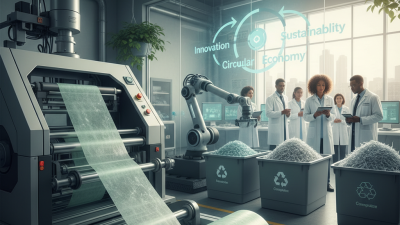
When choosing clear polythene bags, evaluating their environmental impact and recyclability is crucial. The production of polythene contributes to carbon emissions. It is reported that plastic production generates about 6% of global greenhouse gases. Being aware of the different grades of polythene can also influence your decision. Low-density polyethylene (LDPE) is generally more recyclable than other types, such as high-density polyethylene (HDPE).
Recyclability is not uniform across regions. Some places have limited facilities for recycling polythene. According to the Environmental Protection Agency, just 9% of plastic waste in the U.S. gets recycled. This raises concerns about long-term impacts on landfills and oceans. As a user, checking local recycling guidelines is essential.
Tips: Always choose bags labeled as recyclable. Consider using biodegradable options if available. Reduce the quantity of plastic used by reusing bags whenever possible. Making informed choices can minimize the environmental footprint. Collectively, these actions may foster a positive change, even if challenges remain in waste management practices.
Environmental Impact of Different Types of Polythene Bags