request to quote
Leave Your Message

What Is a Container for Packing and How Is It Used?

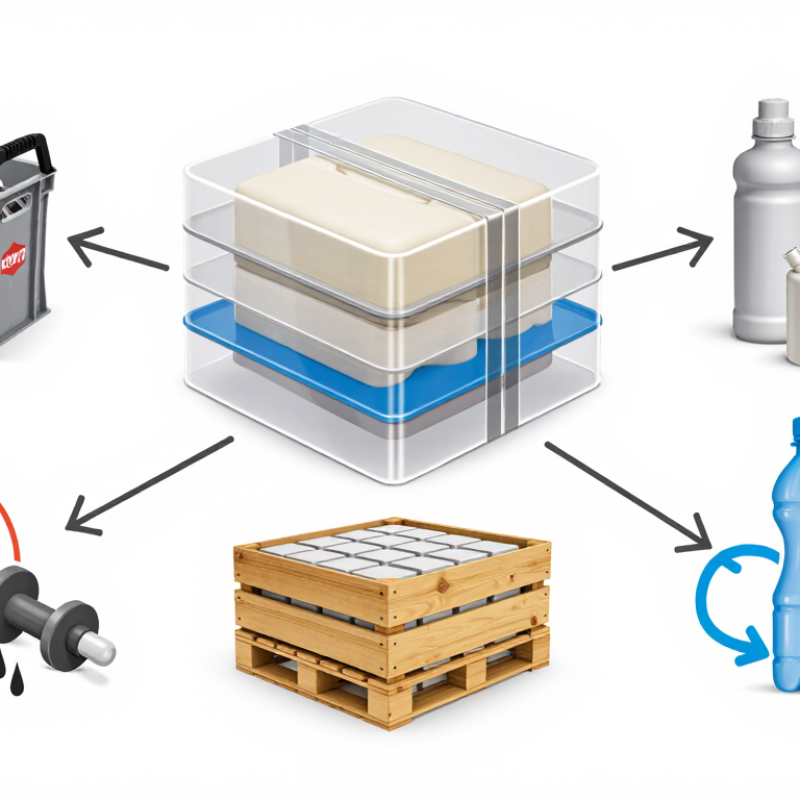
A Container For Packing is more than a box, pouch, bottle, or crate. It is a designed system that holds, protects, identifies, and moves a product. Its performance begins with simple details: a sealed carton resisting warehouse dust, a molded insert preventing scratches, or a reusable tote surviving repeated handling. The boundary is not perfectly clear. Some containers protect the product directly, while others support transport, storage, or retail presentation.

Industry data shows why this subject matters. Smithers’ report, The Future of Global Packaging to 2028, projects the global packaging market will exceed $1.2 trillion by 2028. This growth reflects expanding e-commerce, food distribution, healthcare, and consumer goods demand. The World Bank’s What a Waste 2.0 report also projects global waste generation could reach 3.4 billion tonnes annually by 2050. Packaging is not responsible for all this waste. Still, its material choices deserve careful attention. A lightweight package may reduce transport emissions, yet it can fail under pressure. A durable container may protect goods better, but recycling can become difficult when materials are bonded together.

In practical use, selection depends on product weight, shape, moisture sensitivity, temperature, stacking pressure, and delivery distance. Engineers may test compression, vibration, drop resistance, and seal integrity before approval. Retail teams also consider opening convenience and shelf visibility. A good container should protect without adding unnecessary material. That sounds simple. It rarely is. This article explains common container types, their uses, construction materials, testing considerations, and practical sustainability choices for modern packing operations.
What Is a Container for Packing and How Is It Used?

Packaging Containers Defined by ISO 18601 and Three Packaging Levels

What Is a Container for Packing and How Is It Used?

Packaging Containers Defined by ISO 18601 and Three Packaging Levels

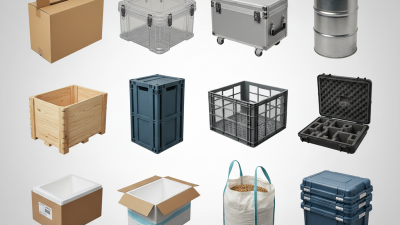
A packaging container holds, protects, or presents a product during handling and delivery. ISO 18601 treats packaging as part of a wider system. It considers material use, function, and environmental performance. A container may be a bottle, carton, tray, pouch, drum, or reusable crate. Its shape should match the product’s weight, sensitivity, and storage conditions.

ISO 18601 commonly supports three packaging levels. Sales packaging touches or directly contains the product. A glass jar and its closure are familiar examples. Grouped packaging holds several sales units together. A carton carrying twelve sealed items fits this level. Transport packaging supports movement and storage. Pallets, stretch film, and strong outer cases often serve this purpose. These levels can overlap in real operations. That distinction matters.

In warehouse audits, I have seen oversized outer cases waste space and increase handling effort. A weak inner container can also cause leakage, crushing, or contamination. Practical testing should check stacking strength, closure security, moisture exposure, and opening behavior. Labels help. However, labels do not replace physical protection. Packaging designers should record the container’s purpose, materials, dimensions, and expected distribution route. Reusable containers need cleaning and inspection procedures. Single-use formats require careful material and waste assessments. No design is perfect. A lighter container may reduce material use but perform poorly under vibration. A stronger container may protect better while using more resources. Engineers must review that trade-off with measured evidence, not assumptions.

Container Materials Compared by Strength, Barrier, Weight, and Recyclability

A container protects goods during storage, handling, and transport. Its material controls strength, barrier performance, weight, and recovery options. Strength matters during stacking. Barrier performance slows moisture, oxygen, or light damage. Weight affects fuel use and shipping costs. Recyclability depends on local collection systems, not material choice alone. This comparison is imperfect.

Paperboard is light, printable, and easy to fold. It suits dry products and short distribution routes. However, moisture quickly reduces its stiffness. A coating improves protection but may complicate recycling. Glass provides excellent chemical stability and a strong oxygen barrier. It feels solid. Its main weakness is weight and breakage risk, especially over long transport distances.

Metal offers high strength and reliable protection from light, oxygen, and moisture. It also tolerates heat processing, although production requires substantial energy. The US Environmental Protection Agency’s 2018 Facts and Figures report recorded recycling rates of 68.2% for paper and paperboard, 34.9% for metals, 25.0% for glass, and 8.7% for plastics in United States municipal waste. These figures are not packaging-only results. The OECD’s Global Plastics Outlook estimated that only 9% of plastic waste was recycled worldwide in 2019. Plastic usually provides the lowest weight and efficient barrier performance. Yet multilayer structures can be difficult to separate. In practice, a lightweight package may reduce transport impacts but create recovery problems. Designers should test the full system, including closures, labels, coatings, and local sorting capacity.

What Is a Container for Packing and How Is It Used?

Container Materials Compared by Strength, Barrier, Weight, and Recyclability

A packaging container is a vessel used to protect, hold, transport, and present products. The chart compares common material categories using a typical relative index from 1 to 5. Higher scores indicate greater performance. “Lightweight” is scored for lower material weight, while recyclability reflects common recycling-system compatibility and may vary by local infrastructure, coatings, and product design.

How Primary, Secondary, and Tertiary Containers Protect Products

What Is a Container for Packing and How Is It Used?

A packing container holds, protects, and moves a product through storage and delivery. Its design depends on the product’s weight, shape, sensitivity, and expected handling conditions. A glass bottle, for example, needs different protection from a flexible pouch or a metal component. Good packaging begins with practical risk assessment, not appearance alone.

Primary packaging touches the product directly. It may control moisture, light, oxygen, dust, or accidental leakage. A sealed container with a secure closure can preserve quality during normal use. Secondary packaging groups primary containers and adds protection during handling. A carton with fitted dividers can prevent bottles from striking each other. Clear labels also support accurate storage and safer distribution. Small details matter.

Tertiary packaging supports transport in larger quantities. Pallets, stretch film, crates, and corner protectors can reduce shifting during loading. Warehouse teams often inspect compression strength, seal quality, and damage after simulated movement. A package that survives a shelf test may still fail on a rough road. No container is perfect. Extra layers increase protection, but they can also add weight, cost, and waste. I have found that the most reliable design balances these concerns instead of choosing the heaviest option. Temperature, humidity, vibration, and repeated handling deserve real testing. A careful review may reveal weak points that a clean prototype hides.

Packaging Design Tested Under ASTM D4169 and ISTA 3A Distribution Standards

A container for packing is more than a box, tray, or protective sleeve. It must control movement, absorb shocks, and protect the product through handling. However, appearance proves little. ASTM D4169 evaluates packaged products against selected distribution hazards, such as impact, vibration, compression, and atmospheric conditioning. The test sequence depends on the distribution cycle, assurance level, product weight, and package design.

ISTA 3A focuses on packaged products moving through parcel delivery systems. Its procedures can include temperature and humidity conditioning, compression, vibration, and repeated drops. These conditions recreate common delivery stresses, including conveyor transfers, vehicle movement, and rough manual handling. A reliable test plan measures visible damage and functional performance. A container may look intact while an internal seal, hinge, or display has already failed.

Good testing begins with realistic details. Record the product orientation, cushioning thickness, closure method, and empty spaces inside the package. Use representative samples, not unusually strong prototypes. Inspect every unit before and after testing, with photographs and measured results. A weak corner often reveals poor load distribution. An over-tight closure can also create new damage. ASTM D4169 and ISTA 3A are valuable tools, but neither can replace thoughtful observation. Test results may expose flaws in the packaging concept, not just manufacturing variation. That uncomfortable finding deserves attention.

What Is a Container for Packing and How Is It Used? - Packaging Design Tested Under ASTM D4169 and ISTA 3A Distribution Standards

Packing Container Type Typical Material Primary Use Protection Function Common Closure ASTM D4169 Application ISTA 3A Application Typical Acceptance Checks
Slotted corrugated shipping carton Single-wall or double-wall corrugated fiberboard General parcel and palletized distribution Provides stacking strength, cushioning space, and protection from abrasion Pressure-sensitive tape, water-activated tape, or staples Evaluated through selected distribution cycles for handling, vibration, compression, and environmental exposure Suitable for individual parcel shipments involving shock, random vibration, compression, and handling sequences No product damage, no loss of closure, acceptable panel deformation, and continued box integrity
Die-cut corrugated mailer Lightweight corrugated fiberboard with integrated locking flaps Small products and direct-to-consumer shipments Combines outer protection and quick assembly with limited internal void space Tuck lock, tear strip, or adhesive strip Useful for assessing closure retention, edge-crush resistance, and repeated handling Commonly tested as a small parcel under the applicable packaged-product procedure Flaps remain closed, contents remain restrained, corners resist crushing, and cosmetic damage stays within limits
Corrugated carton with molded-pulp inserts Corrugated fiberboard and molded cellulose fiber Fragile appliances, glass items, and formed products Controls movement and absorbs impact around corners and faces Taped carton with friction-fit internal components Tests the combined performance of the outer container and fiber-based cushioning system Appropriate when product orientation and internal restraint must remain stable during parcel transport No cracks, leakage, functional failure, insert collapse, or excessive product movement
Foam-lined fiberboard carton Corrugated or solid fiberboard with polyethylene, polyurethane, or cross-linked foam Sensitive instruments, electronics, and precision components Reduces shock transmission and limits vibration-induced movement Pressure-sensitive tape or reinforced tape Used to verify cushioning performance under compression, impact, vibration, and handling stresses Useful for individual shipments where product sensitivity and parcel handling are significant risks No functional degradation, foam remains seated, product does not contact the carton wall, and closure remains secure
Rigid plastic reusable tote Injection-molded polypropylene or high-density polyethylene Repeated internal distribution and returnable logistics Resists impact, moisture, stacking loads, and repeated handling Hinged lid, snap-lock lid, or separate fitted cover Can be evaluated for stacking, vibration, impact, and handling durability within a defined distribution cycle Applicable when the tote is used as the complete packaged product for parcel-style distribution testing No lid release, cracking, hinge failure, excessive deflection, or product displacement
Fiber drum or rigid cylindrical container Multi-ply paperboard with fiber, metal, or plastic closures Dry powders, granular materials, and industrial components Provides cylindrical compression strength and containment for bulk contents Crimped cover, clamp ring, threaded lid, or friction lid Assessed for handling impact, compression, vibration, and containment integrity Used when the container is shipped as an individual parcel and its closure must withstand transport hazards No leakage, lid separation, seam opening, permanent instability, or contamination of contents
Insulated shipping container Corrugated outer carton with expanded foam, molded fiber, or vacuum-insulated panels Temperature-sensitive food, medical, and laboratory shipments Combines thermal resistance with structural protection and coolant retention Taped outer carton with fitted lid or sealed liner Mechanical testing may be combined with conditioning relevant to temperature and humidity exposure Supports parcel testing where impact, vibration, compression, and thermal conditioning may affect performance Container remains closed, insulation stays positioned, coolant remains contained, and required temperature limits are maintained
Palletized unit load Multiple corrugated cartons, stretch film, straps, pallet, and corner boards Warehouse handling, freight transport, and consolidated distribution Provides unit-load stability, stacking strength, and load transfer across multiple packages Stretch film, strapping, adhesives, or a combination of restraints Especially relevant for unit-load distribution cycles involving warehouse, vehicle, and pallet handling hazards ISTA 3A is primarily intended for individually packaged products; a palletized configuration may require another applicable ISTA procedure No load shift, pallet overhang, carton collapse, strap failure, or loss of unit-load stability

Reference note: ASTM D4169 and ISTA 3A do not assign one universal test sequence or acceptance limit to every package. The final test plan should be selected according to the packaged-product weight, dimensions, fragility, distribution environment, handling method, and documented product acceptance criteria.

Container Selection Based on Product Risk, Logistics, and 68 kg Shipment Limits

What Is a Container for Packing and How Is It Used?

A packing container holds and protects goods during storage, handling, and transport. Its design should match the product’s actual risks, not only its appearance. Fragile items may need rigid walls, corner protection, and internal cushioning. Moisture-sensitive products require sealed liners or desiccant packs. Heavy contents need reinforced bases and balanced weight distribution.

Logistics can change the best container choice. A box that works in a warehouse may fail during repeated loading, vibration, or stacking. For shipments near the 68 kg limit, weigh the filled container, cushioning, and accessories together. Do not estimate. A small error can trigger repacking, extra charges, or rejected handling. The external dimensions also matter because space limits may apply before weight limits. Leave practical handholds when workers must move the load manually.

In one packing trial, a strong outer case still allowed the product to shift inside. The damage came from empty space, not weak walls. That result changed our focus toward fit and movement control. Drop tests, vibration checks, and a short warehouse trial can reveal similar weaknesses. Yet testing is not perfect. Real weather, rushed handling, and uneven stacking remain difficult to reproduce. Review the container after delivery, especially its corners, closures, and base. Small scuffing may be harmless, but cracked seams or moisture marks deserve investigation.