Top 10 Container For Packing Solutions for Global Buyers
Global buyers need more than attractive boxes. They need reliable Container For Packing solutions that protect products across factories, ports, warehouses, and customer doorsteps. A container may face vibration, humidity, stacking pressure, temperature changes, and repeated handling. One weak corner can damage an entire shipment.
Packaging professional Walter Soroka defines packaging as “the science, art, and technology of enclosing and protecting products for distribution, storage, sale, and use.” His words remain practical today. Effective packaging must balance protection, cost, sustainability, handling efficiency, and presentation. This balance is rarely perfect. That is worth admitting.
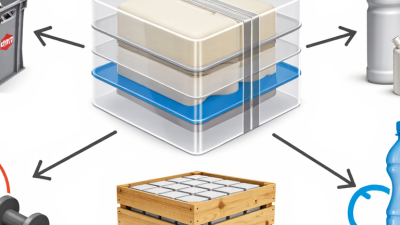
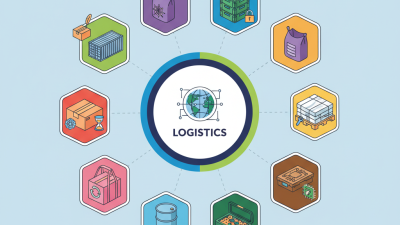
This guide examines ten Container For Packing solutions for global purchasing teams. It considers corrugated cartons, rigid plastic containers, metal cans, wooden cases, reusable crates, flexible bulk bags, insulated boxes, molded pulp packaging, pallet containers, and custom-designed systems. Each option serves different products and shipping conditions. A fragile glass item may require molded inserts and shock-absorbing layers. A moisture-sensitive component may need barrier film, desiccant packs, and sealed outer protection.
Details matter. A container’s dimensions affect pallet utilization. Its closure system influences warehouse safety. Its material choice affects recycling and disposal requirements. Buyers should also verify supplier testing, load ratings, production consistency, and documented quality controls.
There is no universal winner.
The strongest solution is usually the one matched to the product, route, climate, handling process, and budget. This overview offers a practical starting point, not a final purchasing decision. Real shipments still require sampling, testing, and honest review after delivery.
What Packing Containers Are and Why Global Buyers Need Them
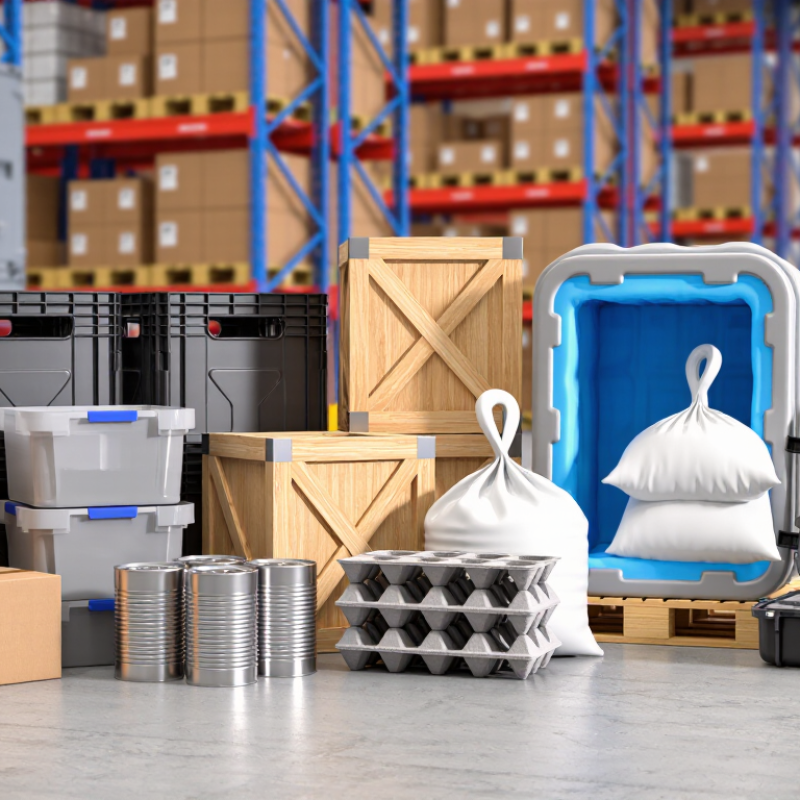
Packing containers are protective vessels used to hold, organize, and transport products. They include cartons, crates, pouches, drums, cases, and reusable bins. Their job is practical. They reduce crushing, moisture exposure, dust, leakage, and movement during handling.
Global buyers need these containers because products often cross several transport stages. A shipment may move from a factory floor to a truck, port warehouse, vessel, and local delivery van. Each stage creates pressure and vibration. A well-selected container keeps items stable inside. For example, an export carton may need reinforced corners, internal dividers, and a moisture-resistant layer. Small details matter. A loose closure can damage an entire shipment.
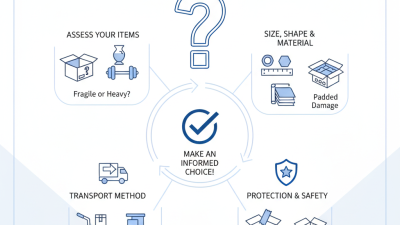
In my purchasing experience, reliable container selection starts with product weight, dimensions, stacking height, and storage conditions. Buyers should also check material strength, closure performance, labeling space, and test records. Temperature changes can weaken some materials. Humidity can soften others. That part is easy to overlook. Suppliers should provide clear specifications and consistent samples before large orders begin. Still, no container is perfect. Overpacking increases cost and waste, while underpacking raises damage risks. Buyers may need to revise the design after a real transport trial. A container that performs well in a warehouse may fail after weeks of vibration. Careful evaluation beats attractive appearance.
How to Classify Containers by Material, Shape, and Function
Top 10 Container For Packing Solutions for Global Buyers
How to Classify Containers by Material, Shape, and Function
Material is the first practical filter for comparing packing containers. Paperboard suits dry goods and printed cartons, while glass offers strong chemical stability and product visibility. Metal containers resist crushing and light exposure. Plastics provide low weight, flexible shapes, and efficient sealing, but their end-of-life performance requires careful review. The OECD Global Plastics Outlook reports that packaging represented about 40% of global plastic waste in 2019. That figure makes material selection a commercial decision, not merely a design choice.
Shape affects stacking, filling, transport, and shelf handling. Rigid boxes protect against compression, pouches reduce empty space, and cylindrical containers often support smooth dispensing. Wide openings help manual filling, while narrow necks can reduce leakage. I have seen buyers choose attractive shapes that wasted pallet space. It looked efficient. It was not.
Function creates the clearest classification. Primary containers touch the product. Secondary containers group units and support retail handling. Tertiary containers protect larger loads during transportation. Buyers should also check barrier, closure, tamper evidence, temperature tolerance, and reuse potential. The World Packaging Organisation identifies protection, convenience, and communication as core packaging functions. Still, one category rarely solves every requirement. A recyclable material may need a complex coating, and a reusable container may require reverse logistics. Those details deserve testing before volume orders.
Top 10 Container Packing Solutions for Global Buyers
Reference capacity comparison classified by material, shape, and function.
The chart compares common commercial container formats by typical reference capacity. Materials include plastic, steel, paperboard, glass, and flexible film, while shapes and functions range from liquid transport and retail packaging to dry-goods shipping and pressure protection. Actual capacities vary by specification, wall thickness, closure system, and applicable transport regulations.
Top 10 Container Packing Solutions for Different Product Categories
Top 10 Container Packing Solutions for Different Product Categories
Container packing should follow the product, route, and handling risk. UNCTAD’s Review of Maritime Transport reports that over 80% of global merchandise trade by volume moves by sea. Moisture control and load stability therefore matter.
Food needs food-grade liners, ventilated crates, desiccants, and temperature indicators.
Fresh produce needs airflow channels and stackable plastic bins. FAO’s State of Food and Agriculture 2019 estimated that 13.2% of food is lost between harvest and retail.
Cold-chain products require validated thermal containers, gel packs, and calibrated data loggers. Small deviations matter.
Electronics need ESD shielding, molded cushioning, corner protection, and shock indicators.
Textiles benefit from compression bags, moisture barriers, and ventilated cartons.
Pharmaceutical shipments demand qualified thermal packaging, tamper-evident seals, and documented temperature control.
Machinery needs steel skids, blocking, bracing, rust inhibitors, and clear lifting marks.
Furniture needs edge guards, honeycomb boards, and abrasion-resistant wraps.
Glass and ceramics require cell dividers, rigid crates, and vibration control.
Personal-care goods need leak-resistant inner seals and upright loading.
Retail products perform better in right-sized cartons.
The OECD’s Global Plastics Outlook identifies packaging as the largest generator of plastic waste. Recyclable fiber solutions deserve serious consideration, although fiber can weaken in humid containers. Do not overpromise.
The IMO/ILO/UNECE CTU Code stresses proper cargo securing and weight distribution. In practice, packing audits often reveal weak corners, loose voids, or poorly placed desiccants.
No design survives every route. Test vibration, compression, humidity, and unloading conditions before approving a full container plan.
How to Compare Protection, Cost, Sustainability, and Compliance
When global buyers compare the top ten container packing solutions, protection should be measured, not assumed.
Protection begins with the product’s weak points. Test samples with drop, compression, vibration, and humidity exposure. A rigid crate may survive rough handling but add freight weight. Molded pulp can cushion fragile goods, although its performance may weaken when wet. Fit matters too; empty space allows movement and impact.
Price is only the first invoice. Compare packing labor, storage space, freight weight, damage claims, and disposal costs. A lighter container may reduce transport emissions, yet thin walls can increase breakage. I have seen inexpensive packaging become costly after one damaged shipment. Sustainability claims need evidence. Request recycled-content data, material origins, recovery options, and realistic end-of-life guidance.
“Eco-friendly” is not a measurement.
Compliance checks should begin before production. Confirm destination requirements, labeling rules, material restrictions, and required test records. Requirements vary by product and market. Keep specifications, inspection photos, and batch information traceable. A reliable supplier should explain tolerances and provide consistent samples, not only attractive promises.
Still, no solution wins every category. A reusable container may need reverse logistics. That weakness deserves honest costing. The strongest choice balances protection, total cost, environmental impact, and documented compliance.