Top 10 Barrier Bags Suppliers for Global Buyers
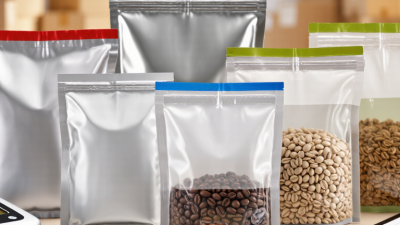
Barrier Bags help protect products from moisture, oxygen, light, and handling damage. But a strong package starts with more than a material specification. Buyers also need dependable sealing, consistent production, suitable formats, and clear technical information. A pouch that looks right in a catalog may behave differently on a filling line.
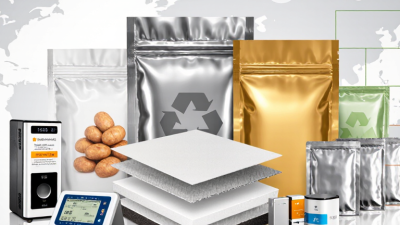
This guide introduces ten suppliers serving global buyers and highlights practical points for comparing them. It considers product range, customization options, quality controls, communication, and support for sampling and specifications. Details such as film structure, seal width, pouch dimensions, and barrier requirements deserve close review. Ask for documentation that matches the exact product being considered, then confirm current capabilities directly with the supplier. A polished website is not proof. Nor is a low quoted price.
The best fit depends on the product, shipping conditions, order volume, and equipment at the packing site. Some buyers need printed stand-up pouches; others need plain rollstock or a particular closure. Small differences matter. No checklist catches everything, and supplier information can change. Treat this overview as a starting point, not a substitute for testing samples and discussing your requirements with qualified packaging teams. A careful comparison can reduce surprises and help buyers choose a partner suited to long-term supply.
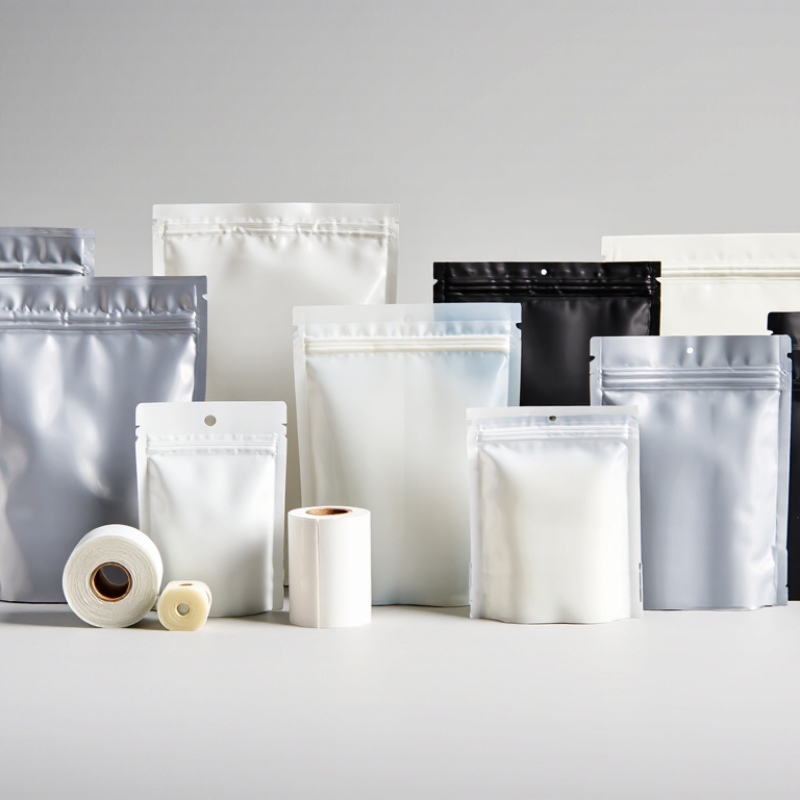
Understanding Barrier Bags and Their Global Applications
Barrier bags are flexible packages designed to slow oxygen, moisture, light, and odor transfer. Their layers may combine plastics, foil, or coated films, with each material serving a different purpose. The right structure depends on the product, storage period, filling temperature, and shipping route. Small choices matter. A bag tested for dry goods may not protect oily products equally well, while sharp edges can puncture thin films.
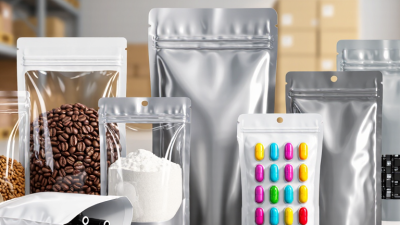
Common uses include coffee, powdered ingredients, medical devices, electronics, and moisture-sensitive components. A coffee pouch can combine a strong oxygen barrier with a valve that releases gas but limits air entry. For metal components, desiccants and sealed barrier packaging can help reduce corrosion during long ocean shipments. Yet no package works alone. Seal quality, handling, and warehouse humidity also affect performance. Buyers can compare oxygen transmission rate, water vapor transmission rate, and seal strength, then test samples with their actual filling process. Lab figures are useful, but they cannot capture every handling mistake or route condition. Some specifications still leave room for judgment.
Barrier Bag Materials: Typical Oxygen Transmission Rates
Indicative oxygen transmission rate (OTR) ranges for common packaging films. Lower OTR means a stronger oxygen barrier.
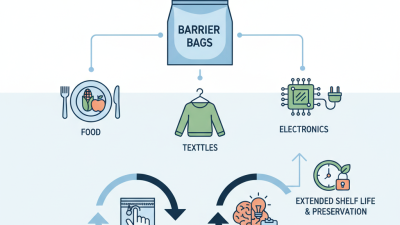
Typical reported ranges in cc/m²/day; values vary with film grade, thickness, humidity, and test method. EVOH performance is especially sensitive to humidity. These are material-level indicators, not finished-bag specifications: laminates, seals, and handling also affect a barrier bag’s performance. Barrier bags are used in applications such as food, pharmaceuticals, electronics, and moisture-sensitive industrial products.
Key Criteria for Evaluating Barrier Bag Suppliers
Choosing a barrier bag supplier starts with performance data, not a glossy sample. Ask for oxygen transmission rate and water vapor transmission rate results, plus the test method, temperature, and humidity. ASTM D3985 and ASTM F1249 are commonly used methods for measuring these properties. Results without test conditions are hard to compare. Small detail, big consequence.
The Flexible Packaging Association’s 2023 State of the U.S. Flexible Packaging Industry report valued U.S. industry sales at $42.9 billion in 2022, up 3.4% from 2021. In a large, competitive market, buyers should also check seal strength, material consistency, lot traceability, and realistic lead times. Request samples from more than one production lot, then test seals and barrier performance under expected storage conditions. A neat sample may hide variation.
Ask suppliers to explain how their bag structure suits the product, shipping route, and shelf-life target. Review minimum order quantities and whether specifications can be maintained at scale. Environmental claims deserve the same scrutiny: request evidence for recyclability or recycled content, rather than relying on broad wording. No supplier can remove every trade-off; stronger barriers may affect cost, material use, or end-of-life options. It is worth admitting that early estimates can miss handling damage, so include real transport trials before placing a large order.
Top 10 Barrier Bag Suppliers for Global Buyers
A useful “Top 10” shortlist should compare barrier bag suppliers on performance, not polished catalogs. Ask for data on oxygen and moisture transmission, seal strength, puncture resistance, and shelf-life testing. Request samples in the intended size, then test them on your own filling line. Small differences in zipper fit or seal temperature can cause costly leaks. They matter.
The Flexible Packaging Association’s 2023 State of the U.S. Flexible Packaging Industry report estimated industry sales at $42.9 billion in 2023. That figure covers flexible packaging broadly, not barrier bags alone, but it shows the scale of the supply market. Global buyers should also check production capacity, lead times, quality controls, and experience shipping to their destination. Request recent test reports and clarify which conditions they cover. A lab result may not reflect a humid warehouse or rough transit. Supplier claims deserve verification.
Tips: Send every shortlisted supplier the same product, filling, and storage requirements. Compare like with like. Ask how changes in material structure affect cost and recyclability, and confirm specifications in writing. A neat scorecard helps, but it can miss practical issues; trial orders often reveal them.
Comparing Supplier Capabilities, Certifications, and Markets
When comparing ten barrier bag suppliers, look beyond product photos and stated capacity. Ask for data on oxygen and moisture transmission, seal strength, and puncture resistance. These figures help match a bag to the product, filling line, and storage conditions. Request sample rolls or finished pouches for trial runs; a neat sample may behave differently on a fast production line.
Certifications need careful checking. Confirm the certificate is current, applies to the manufacturing site, and covers the relevant packaging process. For food or pharmaceutical applications, ask suppliers to explain which material declarations and test records support your intended use. A logo alone proves little. Details matter.
Market experience also affects service. A supplier shipping regularly to several regions may understand local documentation, labeling, and freight requirements, but verify this with recent references and sample export records. Compare minimum order quantities, tooling charges, lead times, and how quickly technical questions receive clear answers. Smaller suppliers may offer flexible runs, while larger plants may provide steadier volume and broader testing support. Neither is automatically better. Even a careful comparison has gaps: quoted lead times can shift, and test results may not reflect your exact product. Build time for a production trial.
How to Select and Source from a Barrier Bag Supplier
Choosing a barrier bag supplier starts with the product, not the catalog. Define what the bag must protect against, such as moisture, oxygen, light, or odor transfer. Share the product’s weight, fill temperature, storage conditions, and expected shelf life. Ask for the proposed film structure and relevant test data, including seal-strength or barrier results. A clear specification makes supplier quotes easier to compare.
Fit matters.
Check how the supplier handles samples, production tolerances, and material changes. Request samples in the intended size and test them on your filling line; a bag that looks right may wrinkle or leak at the seal. Ask about typical lead times, minimum order quantities, quality records, and how defects are investigated. A polished sample is useful, but it cannot prove every production run will match. I would give more weight to documented controls than confident promises.
Tips: Send the same written specification to each supplier. Keep a dated sample, record test results, and confirm artwork, dimensions, and tolerances before approval. If a specification is unclear, pause and clarify it; small assumptions can become expensive rework.