Top 10 Types of Bag In Box Packaging for Global Buyers
Choosing the right Bag In Box Packaging format can influence product safety, logistics costs, shelf life, and customer confidence. Global buyers often compare more than appearance. They examine film structure, filling compatibility, dispensing systems, barrier performance, and transport durability. A three-liter pouch for fruit juice faces different demands than a 20-liter liner for liquid ingredients. Small details matter.
This guide introduces ten practical types used across beverages, food ingredients, dairy products, chemicals, and industrial liquids. Each format serves a specific purpose. Aseptic bags support ambient distribution, while standard bags may suit refrigerated products. High-barrier films help protect sensitive liquids from oxygen and light. Strong outer cartons can reduce damage during stacking and long-distance shipping. Fittings also deserve attention, because a weak valve can waste an otherwise reliable package.
The recommendations reflect common purchasing experience and packaging principles. However, no single structure works everywhere. Climate, filling temperature, product acidity, storage time, pallet design, and local packaging requirements can change the best choice. Buyers should request technical data, migration information, transport testing, and filling trials before approving large orders. A sample may perform well in a warehouse but fail after weeks at sea. That possibility is easy to overlook.
The following overview compares the top ten Bag In Box Packaging types, highlighting their materials, applications, advantages, and limitations. It aims to support informed sourcing decisions, not replace professional testing. Packaging is practical engineering. Sometimes, the simplest option wins.
Aseptic Bag-in-Box Systems: Up to 12 Months of Ambient Shelf Life
Top 10 Types of Bag In Box Packaging for Global Buyers
Aseptic bag-in-box systems can provide up to 12 months of ambient shelf life. This depends on the product, barrier film, and filling process. The package protects liquid foods from oxygen, light, and external contamination. Its flexible inner bag also reduces storage volume and transport weight.
Aseptic filling sterilizes both the product and packaging before sealing. This requires controlled equipment, validated temperatures, and hygienic handling. For global buyers, barrier selection matters greatly. A multilayer structure may suit juices, dairy alternatives, sauces, or sensitive liquid ingredients. Shelf-life testing should measure flavor, color, nutrients, seal strength, and microbial stability. A longer date is not automatically better.
Tips: Confirm the target shelf life with real-time and accelerated testing. Check storage temperatures across shipping routes. Ask for migration data, filling tolerances, and closure specifications. Keep pallets dry and away from direct sunlight. Small handling mistakes can damage the outer carton or create hidden leaks.
The 12-month claim needs careful interpretation. Some products remain stable longer, while others change sooner. Regional conditions can expose weak assumptions. Humidity, warehouse heat, and repeated movement all matter. A practical specification should include product properties, filling conditions, and transport risks. It should also leave room for review, because packaging performance is rarely perfect in every market.
Top 10 Types of Bag-in-Box Packaging for Global Buyers
Aseptic Bag-in-Box Systems: Up to 12 Months of Ambient Shelf Life
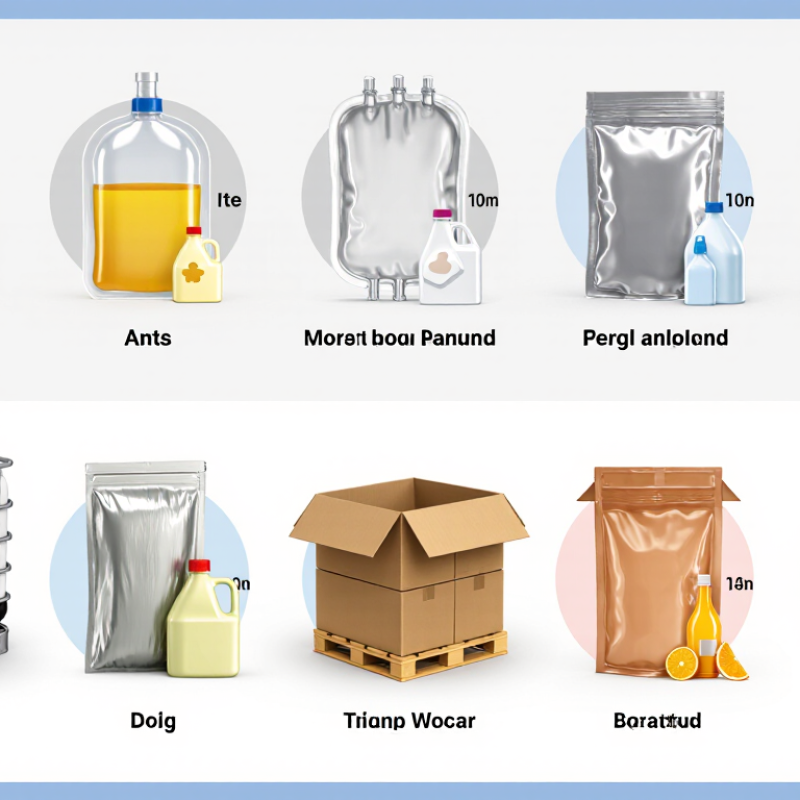
The chart shows indicative ambient shelf-life target ranges for common aseptic bag-in-box applications. Actual performance depends on product acidity, thermal process, oxygen transmission, filling conditions, packaging-barrier structure, and storage temperature. Commercial shelf life must be confirmed through product-specific validation.
Reference basis: FDA guidance for low-acid and acidified foods, Codex hygienic practice principles, and commonly reported aseptic-packaging industry ranges.
Wine and Beverage Bag-in-Box: 60% Less Packaging Weight Than Glass
Wine and beverage bag-in-box packaging can reduce packaging weight by about 60% compared with comparable glass formats. The exact reduction depends on filling volume, box size, closure design, and transport distance. Less weight means fewer handling injuries, lower freight demand, and simpler warehouse movement. A ten-liter box is easier to stack than several heavy bottles. It also uses a flexible inner bag, an outer carton, and a dispensing fitment. These components protect liquid while limiting exposure to air after opening.
Global buyers often compare more than weight. They check seal strength, oxygen transmission, drop resistance, filling accuracy, and carton moisture tolerance. Wine, juice, drinking water, dairy alternatives, concentrates, and cocktail bases can use different bag structures. Each liquid needs suitable film layers and closure performance. Testing should include warm storage, vibration, compression, and repeated dispensing. Practical trials reveal problems that product sheets may hide. Small leaks matter.
The 60% figure is useful, but it is not universal. A heavy carton, oversized fitment, or inefficient pallet pattern can weaken the benefit. I would request verified packaging-weight data for the exact volume. Glass still feels more premium to some buyers. That preference deserves honest consideration. Cost, shelf presentation, recycling systems, and local filling equipment also influence the final choice. Exciting claims need measured evidence.
Foodservice Bag-in-Box Formats: 3–20 L Sizes and Up to 99% Product Evacuation
Foodservice bag-in-box packaging suits sauces, dairy bases, beverages, oils, and liquid ingredients. Common formats range from 3 to 20 liters. They fit narrow storage areas and reduce replacement frequency during busy service periods. Grand View Research valued the global bag-in-box packaging market at approximately USD 3.47 billion in 2023. Its analysis also projects continued growth through 2030. Flexible structures support this trend because they use less material than many rigid containers. The Flexible Packaging Association reports potential material savings of up to 60%, depending on the comparison.
Product evacuation can reach up to 99% when the bag, fitment, tap, and dispensing equipment work together. The 99% figure is attractive, but it is not automatic. Thick sauces may cling to internal surfaces. Poorly matched pumps can also leave valuable residue. In practical trials, buyers should measure remaining product by weight, not appearance. A 10-liter bag should be tested after dispensing at different temperatures and flow rates. This detail matters for kitchens managing food waste and labor time. It also exposes a weakness: laboratory results may not match real service conditions.
Tips: Confirm the actual filled volume, not only the outer carton size. Request evacuation data for your product viscosity. Check puncture resistance during transport. Ask for fitment compatibility and cleaning instructions. Short trials prevent expensive assumptions. Keep a contingency plan for difficult-to-dispense formulas.
High-Barrier Bag-in-Box: EVOH or Foil Layers for 6–12 Months’ Protection
High-barrier bag-in-box packaging protects sensitive liquids during storage, transport, and repeated dispensing. EVOH and foil layers are common choices for six to twelve months of protection. EVOH limits oxygen transfer while preserving flexible pouch construction. It can suit juices, sauces, dairy alternatives, and other oxygen-sensitive products.
Foil provides stronger light and oxygen protection. This matters for products affected by sunlight, aroma loss, or oxidation. However, foil structures need careful converting and handling. A tiny crease or pinhole can weaken performance. EVOH also depends on moisture control because high humidity may reduce its oxygen-barrier efficiency. The correct choice depends on formulation, filling temperature, package size, and distribution conditions.
Practical testing should include real-time shelf-life trials, accelerated aging, seal checks, and transport simulation. Inspect the inner pouch after filling. Look for stretched corners, leaking fitments, and uneven seals. A strong barrier cannot repair poor filling practices. One common mistake is selecting foil only for maximum protection. It may increase material complexity, reduce recycling options, and raise costs without improving the product’s actual life.
For global buyers, request barrier data at relevant humidity and temperature ranges. Confirm oxygen transmission rate, water vapor transmission rate, seal strength, and food-contact compliance. Test the finished bag-in-box system, not only the film sample. Small differences in filling equipment can change results. Six months may be realistic; twelve months should be proven, not assumed.