Top Tips for Choosing the Best Container for Packing?
Choosing the right container for packing is crucial for protecting items during transit. A recent industry report from Packaging Insights reveals that 65% of consumers consider packaging quality as a key factor. This statistic underscores the importance of selecting durable, reliable containers. An industry expert, Sarah Jennings, a well-respected packaging consultant, emphasizes, "The right container can make all the difference in ensuring product safety and customer satisfaction."
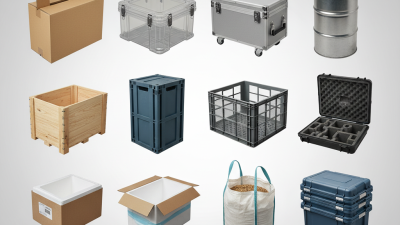
Different container types serve various needs. Cardboard boxes, plastic bins, and metal containers each have unique advantages. For fragile items, cushioning is vital. A well-chosen “Container For Packing” provides structure and minimizes damage risks. Many users overlook the need for sustainability. Eco-friendly options exist but are often neglected.
It's essential to reflect on specific requirements. Packing time, cost, and weight capacity all matter. Many people fail to analyze these factors thoroughly. This oversight can lead to regrettable choices. Investing time in selecting the proper container can yield better outcomes.
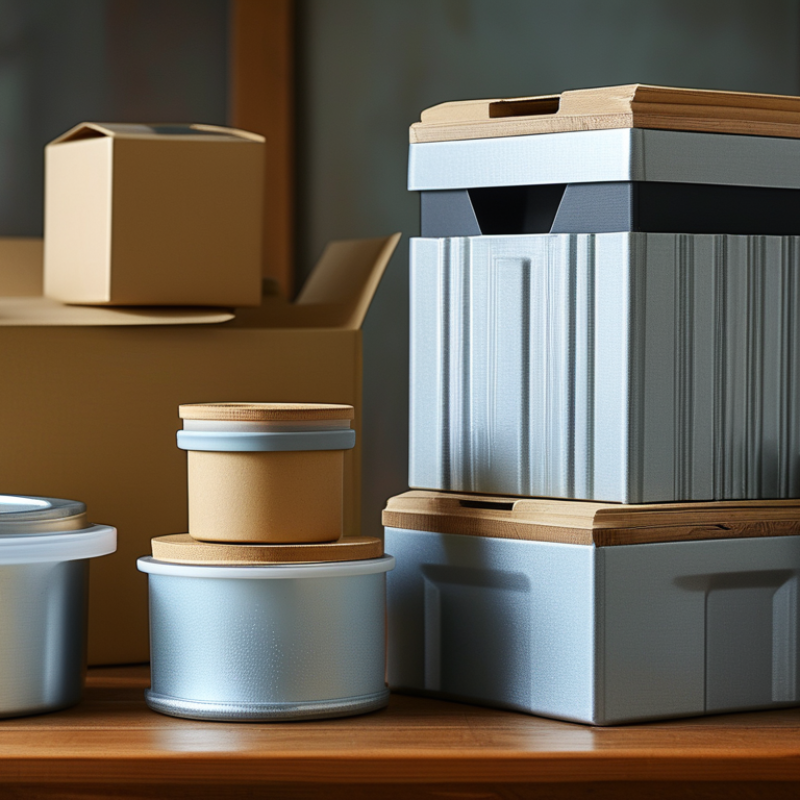
Factors to Consider When Choosing Packing Containers
Choosing the right packing container is crucial for effective storage and transportation. One key factor is material type. Common options include plastic, cardboard, and metal. According to industry data, plastic containers account for 44% of the global market due to their durability. Cardboard offers a lightweight, recyclable option but may lack moisture resistance.
Another important aspect is size and shape. Selecting a container that optimally fits your items can save space. Research indicates that irregularly shaped items can reduce packing efficiency by up to 30%. Having containers that match your items' dimensions increases stability during transit. This reduces the risk of damage.
Consider the closure method as well. Secure lids or locking mechanisms can prevent spills and contamination. A report by the Packaging Machinery Manufacturers Institute states that improper sealing can lead to product loss and increased costs. It's essential to assess how a container’s design affects usability and safety. Reflecting on these factors ensures better choices that enhance packing efficiency.
Types of Containers: Selecting the Right Material for Your Needs
When selecting the right container for packing, the material choice is crucial. Options vary widely, and each material has its advantages and drawbacks. For instance, cardboard boxes are lightweight and easy to handle. However, they can be vulnerable to moisture. If your items are sensitive to water, this may not be the best option.
Plastic containers are another popular choice. They are durable and resistant to moisture, making them ideal for long-term storage. Yet, they can be heavier than cardboard and may not be biodegradable. Consider your needs carefully. Are you packing for a move, storage, or shipping?
Glass containers can be excellent for fragile items. They provide a sturdy option for preserving quality. On the downside, glass is breakable and can add significant weight. Balancing strength and weight is essential. Evaluate what you are packing. Sometimes, mixed materials may also be the optimal solution. Overall, understanding your materials will lead to better packing decisions.
Size and Shape: Finding the Perfect Fit for Your Items
Choosing the right container for packing can be a daunting task. The size and shape of the container greatly affect how well your items will be protected. If a box is too big, the items may shift during transport. A snug fit is essential. However, cramming items into a smaller container can lead to damage as well.
When considering shape, think about the items you are packing. Fragile items, like glassware, require containers with cushioning. Use boxes with dividers for delicate pieces. A rectangular box can fit more efficiently in tight spaces. But for oddly shaped items, consider flexible containers like padded envelopes. They can adjust to various contours and provide better protection.
Reflection is vital in this process. Sometimes, you might choose a container based on looks rather than functionality. This can result in unnecessary struggles when packing. Additionally, not all containers are created equal. Test a few options before settling on one. The goal is to ensure the safety and security of your belongings while making packing as efficient as possible.
Durability and Protection: Ensuring Safe Transport of Your Belongings
When packing your belongings, choosing the right container is crucial for durability and protection. Research shows that around 30% of items are damaged during transport. Factors like container material, size, and design greatly impact safety. For example, corrugated boxes offer better cushioning than regular cardboard. Their unique structure absorbs shocks, minimizing potential damage.
A study by logistics experts indicates that 20% of shipping claims are due to inadequate packaging. Selecting containers that provide structural support is essential. Plastic bins can be more durable than cardboard, especially in wet conditions. They resist moisture and provide better protection against heavy impacts. However, they can be bulkier and harder to stack compared to lighter alternatives.
Reflecting on the choices, it’s important to think about the contents you're packing. Not all items fit well in standard containers. Fragile items often need extra padding and specific box sizes. Custom-sized containers can significantly reduce movement during transport. Investing in sturdy packaging may seem costly upfront, but it often leads to fewer losses and claims in the long run. The goal is to ensure everything arrives in perfect condition, showing that the right container can make all the difference.
Cost-Effectiveness: Balancing Quality and Budget for Packing Supplies
When selecting the right container for packing, cost-effectiveness is essential. It's easy to fall into the trap of choosing the cheapest option, but lower prices often mean sacrificing quality. A flimsy container may not hold up during transport. Consider how much your items are worth and what damage could occur if they aren't adequately protected. In the long run, spending a little more for durable materials can save money by preventing loss or damage.
Budgeting for packing supplies requires careful thought. It's important to find a balance between quality and cost. Compare options available within your budget. Look for suppliers that offer bulk pricing or discounts for larger orders. Don’t overlook the potential of second-hand containers. They can be just as reliable if inspected thoroughly. Reflect on past packing experiences to inform your current choices. Consider what worked well and what didn’t.
Investing in strong, reliable containers ultimately leads to a smoother process. You want peace of mind knowing your items are secure. However, be cautious about impulse buys. Take time to research materials and read honest reviews. A little patience goes a long way in achieving the best packing solution while sticking to your budget.