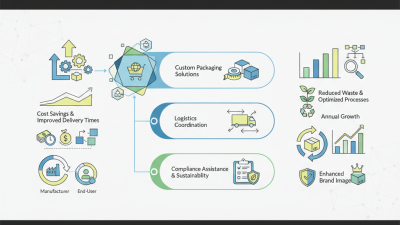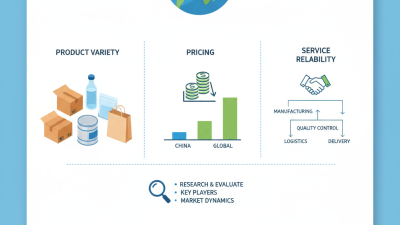
In 2026, packaging buyers will expect more than cartons, films, bottles, or pallets. They will seek speed, traceability, customization, and dependable technical support. This shift is reshaping the role of every Packaging Distributor across retail, manufacturing, food, healthcare, and e-commerce supply chains.
William Pilditch, author of The Silent Salesman, famously described packaging as “the silent salesman.” His observation still matters. A distributor now influences shelf appeal, warehouse efficiency, product protection, and customer trust. A full-line distributor may serve several packaging categories through one purchasing channel. A specialty distributor may focus on sustainable materials, temperature-controlled packaging, or protective transit solutions. Regional distributors can offer faster delivery and stronger local relationships. Technology-led distributors may connect inventory systems, forecasting tools, and automated replenishment.
The categories overlap. That matters.
A contract packaging partner can also distribute materials. An e-commerce specialist may provide kitting, labeling, and fulfillment support. These blended models often create practical value for growing brands. However, a larger catalog does not guarantee better service. Buyers should examine stock accuracy, material performance, delivery records, customization limits, and documented sustainability claims. Unverified environmental language can create costly confusion.
This guide compares the leading Packaging Distributor types expected to shape 2026. It considers their operating models, ideal customers, strengths, limitations, and selection criteria. The analysis is grounded in real purchasing conditions, including crowded warehouses, urgent replenishment orders, damaged shipments, and changing product dimensions. Some conclusions remain debatable. Market conditions vary by region, product category, and supplier capability. That uncertainty deserves attention before any distributor becomes a long-term partner.
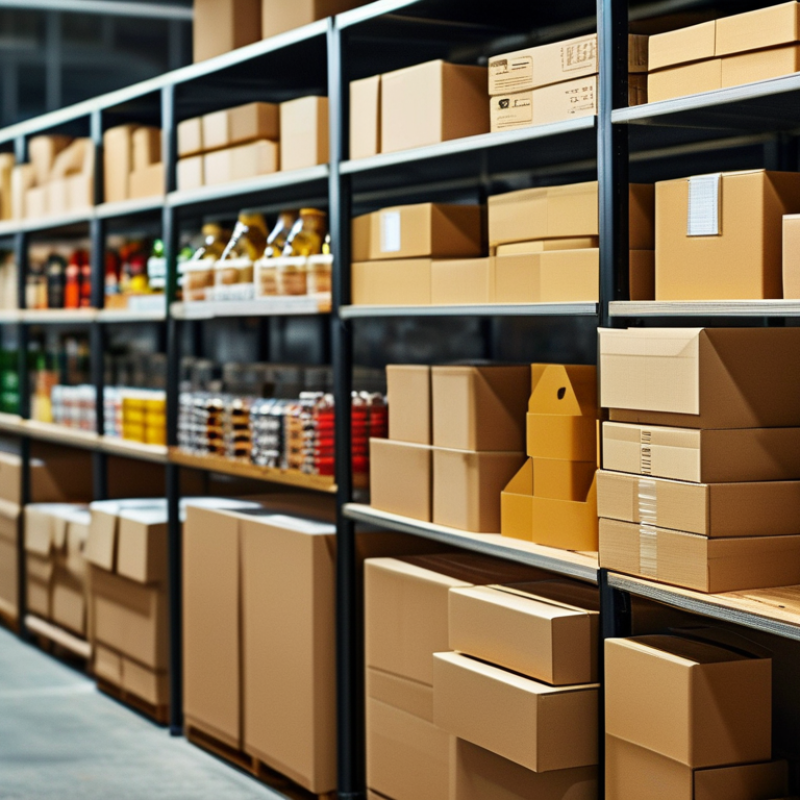
Packaging distributors connect manufacturers with businesses that need boxes, films, labels, protective inserts, and shipping supplies. They purchase, store, customize, and deliver these materials according to operational needs. Their role is more practical than simply moving products. They help buyers control stock, reduce packaging damage, and respond to changing order volumes.
In 2026, full-service distributors remain important for companies seeking one purchasing channel. They may supply corrugated cartons, cushioning, tape, and warehouse equipment together. Specialty distributors focus on areas such as temperature-sensitive shipping, sustainable materials, or precision protective packaging. Regional distributors often provide faster delivery and closer warehouse support. Industrial distributors serve larger operations with pallet quantities, automated equipment, and scheduled replenishment.
The best type depends on product weight, storage space, delivery distance, and compliance requirements. A distributor with strong technical knowledge can recommend board strength, sealing methods, and pack-out designs. Small details matter. A poorly fitted insert can increase returns. However, sustainability claims still need careful checking. Recyclability may depend on local facilities, coatings, and mixed materials. The model is not perfect. A low unit price can hide storage fees, excess inventory, or unreliable lead times. Buyers should compare samples, service records, order accuracy, and emergency response before choosing a supply partner.

Packaging distributor types are grouped by the customers they serve and the supply-chain functions they provide.
The chart compares six common packaging distributor types by the number of typical supply-chain functions they cover: product sourcing, inventory holding, customization, kitting, delivery coordination, and recycling or sustainability support. The score indicates service breadth, not market share or company revenue.
Full-service packaging distributors are becoming practical partners for businesses with varied shipping and production needs. They can source cartons, protective inserts, labels, films, pallets, and custom packs through one coordinated channel. Smithers’ The Future of Global Packaging to 2028 estimates that the global packaging market could reach about $1.38 trillion by 2028. That scale increases purchasing complexity.
A capable distributor should offer material advice, structural design, inventory planning, and quality checks. It should also manage short runs and recurring orders. The Packaging Machinery Manufacturers Institute reported continuing pressure from labor shortages and supply-chain uncertainty in its 2024 industry outlook. A full-service distributor can reduce these pressures by consolidating suppliers and arranging scheduled deliveries. That sounds efficient. It is not always flawless. Poor forecasts can still create excess stock, storage fees, or rushed substitutions.
Tips: Ask for sample packs, test reports, and lead-time records. Compare total delivered cost, not unit price alone. Request a contingency plan for delayed materials. Also check whether the distributor measures damage rates and order accuracy. Smithers’ data suggests packaging demand will keep expanding, but growth does not remove operational risks. A reliable partner explains those risks clearly. Better still, it documents them.
| Distributor Type | Typical Business Customers | Core Packaging Categories | Full-Service Capabilities | Typical Minimum Order | Typical Lead Time | Best Fit in 2026 |
|---|---|---|---|---|---|---|
| Broadline Full-Service Distributors | Manufacturers, retailers, wholesalers, and multi-site businesses | Corrugated boxes, cartons, stretch film, tape, labels, protective packaging, pallets, and shipping supplies | Packaging audits, inventory programs, vendor consolidation, custom sourcing, delivery scheduling, and equipment support | Stock items: 1 case or 1 bundle; custom items: commonly 500–5,000 units | Stock: 1–5 business days; custom: 3–10 weeks | Businesses seeking one supplier for multiple packaging categories |
| Food and Foodservice Distributors | Food processors, restaurants, caterers, grocery operations, and institutional kitchens | Food containers, trays, cups, lids, bags, wraps, films, insulated shippers, and hygiene supplies | Food-contact documentation, temperature-control recommendations, portion-packaging guidance, recurring replenishment, and compliance support | Stock items: 1 case; printed or custom items: commonly 1,000–10,000 units | Stock: 1–7 business days; printed items: 4–12 weeks | High-volume food handling, takeaway, delivery, and cold-chain applications |
| Industrial and Protective Packaging Distributors | Automotive, machinery, electronics, construction, and parts manufacturers | Heavy-duty corrugated packaging, foam, molded protection, edge guards, strapping, dunnage, and export packaging | Transit testing, packaging engineering, load optimization, returnable-packaging programs, and on-site implementation | Stock items: 1 case; engineered or molded solutions: commonly 100–2,000 units | Standard: 3–10 business days; engineered: 6–16 weeks | Products requiring impact, vibration, moisture, or export protection |
| E-Commerce and Fulfillment Packaging Distributors | Online retailers, subscription businesses, fulfillment centers, and direct-to-consumer brands | Mailers, shipping boxes, void fill, tape, labels, return packaging, and tamper-evident solutions | Right-sizing reviews, automation integration, fulfillment-center replenishment, kitting, and returns optimization | Stock items: 1 case; custom printed packaging: commonly 500–5,000 units | Stock: 1–5 business days; custom: 3–8 weeks | Fast-moving operations focused on shipping efficiency and customer experience |
| Healthcare and Pharmaceutical Packaging Distributors | Hospitals, laboratories, medical-device manufacturers, pharmacies, and clinical suppliers | Sterile barrier packaging, medical pouches, specimen containers, tamper-evident packaging, labels, and temperature-control systems | Traceability support, controlled distribution, documentation management, cleanroom-compatible sourcing, and validation coordination | Stock items: 1 case; specialized or validated items: commonly 500–5,000 units | Stock: 2–10 business days; specialized: 6–20 weeks | Regulated products where documentation, cleanliness, and supply continuity are critical |
| Sustainable Packaging Distributors | Organizations with waste-reduction, recycled-content, or packaging-transition targets | Recycled-content paper, molded fiber, recyclable films, reusable transit packaging, compostable items, and lightweight formats | Material assessments, packaging reduction studies, recyclability guidance, recycled-content sourcing, and end-of-life reviews | Stock items: 1 case; custom sustainable formats: commonly 1,000–10,000 units | Stock: 2–10 business days; custom: 4–14 weeks | Companies balancing environmental objectives, product protection, and total cost |
| Custom Printed and Promotional Packaging Distributors | Consumer goods, cosmetics, retail, hospitality, events, and seasonal product businesses | Printed cartons, bags, tissue, labels, sleeves, gift packaging, inserts, and branded shipping materials | Artwork preparation, structural design, color management, sampling, print coordination, and campaign-based inventory planning | Commonly 500–10,000 units, depending on format and print method | Usually 4–12 weeks after artwork approval | Businesses using packaging as a visual, promotional, or unboxing channel |
Specialized distributors are becoming more valuable as companies balance sustainability, product safety, and delivery costs. Sustainable packaging distributors supply recycled-content mailers, molded fiber inserts, paper cushioning, and reusable transit systems. They also help buyers compare material recovery, durability, and disposal conditions. A package may look environmentally friendly but perform poorly in humid warehouses. That detail matters.
Protective packaging distributors focus on fragile, high-value, or temperature-sensitive products. Their teams may recommend custom foam alternatives, corrugated partitions, shock-absorbing pads, or insulated liners. In field audits, packaging specialists often inspect drop-test results, pallet movement, storage duration, and sealing quality. They do not rely on appearance alone. Small gaps can create expensive damage.
Some distributors combine both specialties. They use packaging engineers to reduce empty space while maintaining impact protection. They may also provide sampling, pack-line trials, and performance testing before large orders. This approach supports more reliable decisions.
Still, the trade-off is uncomfortable. A lower-carbon material can require thicker protection, increasing shipping weight. Reusable packaging can reduce waste, yet return logistics may be difficult for smaller operations. I still question solutions described as universally sustainable. Local recycling access, product shape, climate, and worker handling can change the result. Good distributors explain these limits clearly and document their recommendations.
serve nearby manufacturers, retailers, and food producers. They understand local delivery routes, seasonal demand, and storage limits. A warehouse may sit less than one day from a customer’s plant. That speed helps when cartons, pouches, or protective inserts run low. Regional teams also offer practical guidance on pack sizes, pallet layouts, and delivery schedules. Their weakness is capacity. A sudden multi-state order can expose limited inventory.
connect several warehouses across one country. They support standardized packaging programs for businesses with multiple facilities. Buyers can often use one specification, one contract, and consistent quality checks. This model can reduce administrative work and improve forecasting. However, national coverage does not guarantee equal service everywhere. Rural deliveries may take longer. Local market knowledge may also feel thin.
manage cross-border sourcing, customs documentation, and international inventory planning. They suit manufacturers that need the same packaging format in several markets. Strong systems can track batch records, storage conditions, and delivery performance. Yet global models add complexity. Currency changes, port delays, and regional recycling rules can affect costs.
A packaging manager should test service claims against real delivery data. Assumptions sometimes fail. Pilot orders reveal more than polished presentations. In my view, the best model depends on volume, geographic spread, risk tolerance, and the buyer’s need for hands-on support.
Technology-driven packaging distributors are becoming essential for faster, more accurate sourcing. They use digital catalogs, inventory dashboards, barcode tracking, and automated reorder alerts. These tools help buyers monitor cartons, labels, protective inserts, and shipping materials in real time. However, software is not a complete solution. Incorrect product data can still create costly delivery problems.
Custom packaging distributors serve businesses with unusual dimensions, fragile products, or strict presentation needs. Their teams may provide structural samples, material comparisons, and small-batch prototypes before production. This practical process reduces waste and reveals weaknesses early. A sample box that collapses during a simple drop test needs redesigning. It is an uncomfortable lesson, but an important one. Integrated distributors also combine design support, sourcing, storage, and regional delivery. This model can simplify communication when packaging requirements change quickly. Reliable providers should explain material specifications, lead times, quality checks, and traceability clearly.
Tips: Request a physical sample. Check compression strength. Review artwork carefully. Confirm minimum order quantities. Ask how damaged stock is handled. Keep written approval records.
The strongest distribution service balances technology with human judgment. Buyers should compare response times, documentation quality, customization skills, and inventory visibility. Price matters, but unstable supply can cost more than a higher unit rate. Packaging decisions should reflect product protection, customer experience, storage conditions, and applicable requirements. Small details matter. A missing measurement can delay everything.