request to quote
Leave Your Message

What Are the Different Types of Packaging Solutions?

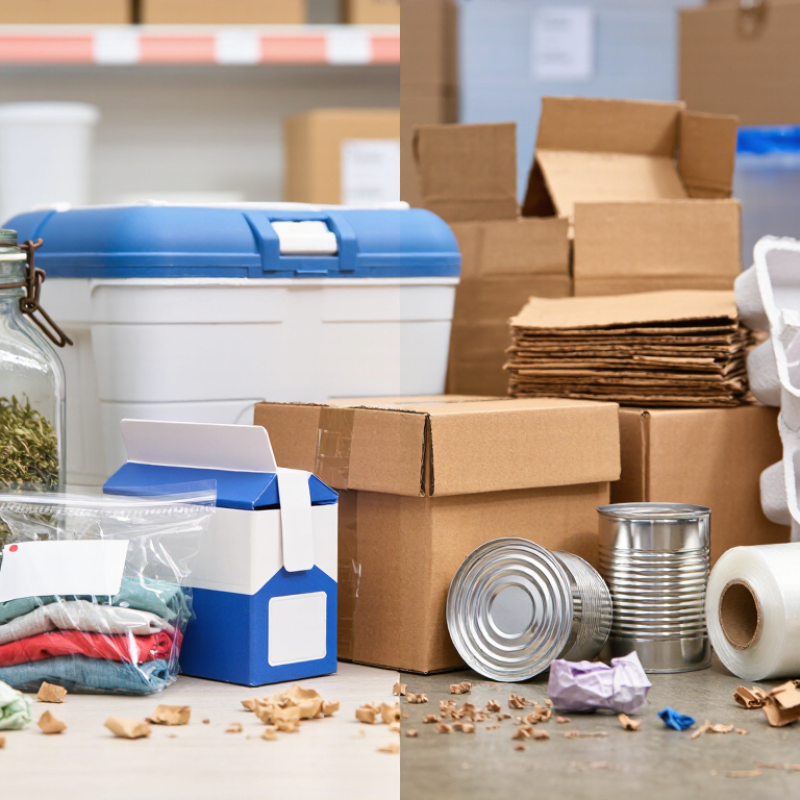
Packaging is more than a box around a product. It protects goods, carries information, and shapes how customers handle them. The right Packaging Solutions depend on the product, shipping route, shelf life, and disposal options. A glass jar needs different protection from a soft mailer or a chilled food carton.

The scale is significant. The OECD’s Global Plastics Outlook reports that packaging generated about 40% of global plastic waste in 2019. In the United States, the Environmental Protection Agency’s 2018 waste report recorded 82.2 million tons of packaging and containers in municipal solid waste. That represented 28.1% of the total. These figures use different geographies and measures, so they should not be compared as if they were identical. Still, they show why packaging choices matter.

This guide explores common formats, including rigid and flexible packaging, paper-based options, glass, metal, and protective shipping materials. Each offers trade-offs. Corrugated board can cushion a shipment, while flexible film may use less material but complicate sorting in some local systems. There is no universal best choice. That sounds simple. It isn’t. Real decisions involve product safety, transport conditions, cost, customer expectations, and available recovery infrastructure. The sections ahead explain how these packaging types work and what to consider when choosing among them. One useful caution: a material’s environmental impact depends on its full life cycle, not its label alone.
What Are the Different Types of Packaging Solutions?

Packaging by Function: Primary, Secondary, and Tertiary Formats

Packaging works in three layers, each with a different job. Primary packaging touches the product: a glass jar, pouch, or blister pack. It contains, protects, and presents the item. Choose materials for the product’s exposure to moisture, oxygen, light, and handling. A resealable pouch may reduce spills, but it is not automatically the best choice. Filling equipment and local collection options matter too. Fit matters.

Secondary packaging groups primary packs for display or easier handling, such as cartons around jars or trays holding pouches. It can carry information and limit scuffs, but extra layers may add material without improving protection. Tertiary packaging supports storage and shipment. Examples include palletized cases, stretch wrap, corner boards, and reusable crates. The right format depends on the route, stacking height, and vibration. Real workflows are messier than diagrams suggest. The OECD’s 2022 Global Plastics Outlook reports that packaging generated 40% of plastic waste in 2019. This supports reviewing each layer, not removing protection indiscriminately.

Tips: Test packed products with drop, compression, and transit simulations. Track damage rates and packaging weight. Keep it simple. Ask what each layer does: protect, inform, or support logistics. If its purpose is unclear, rethink it.

Paper and Corrugated Packaging: EPA Reported 96.5% Box Recycling in 2018

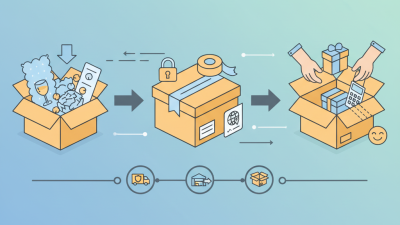
Paper and corrugated packaging remain practical options when a package needs protection and a clear path into established recycling systems. The U.S. Environmental Protection Agency’s Advancing Sustainable Materials Management: 2018 Fact Sheet reported a 96.5% recycling rate for corrugated boxes. That figure reflects national recovery, not a promise that every box placed at the curb will be recycled. A flattened shipping carton is easier to collect and sort than one packed with food scraps or soaked through. Clean, dry, and empty. Local collection rules still matter.

The American Forest & Paper Association reported a 65–69% U.S. paper recycling rate for 2023. This broader figure covers paper products overall, so it should not be confused with the EPA’s corrugated-box rate. At a packing station, simple design choices can help: limit excess tape, avoid unnecessary mixed materials, and keep cartons dry before pickup. Still, the numbers can mislead. A strong national rate does not reveal what happens to one damp box in a small town, and that gap deserves attention when choosing packaging.

What Are the Different Types of Packaging Solutions? - Paper and Corrugated Packaging: EPA Reported 96.5% Box Recycling in 2018

Packaging Type Common Uses Key Characteristics Recycling and Disposal Considerations 2018 U.S. Recycling Data
Corrugated cardboard Shipping boxes, outer cases, and protective inserts Fluted paperboard between liner sheets provides strength and cushioning. Usually recyclable when clean and dry. Remove excessive tape and follow local collection rules. 96.5% estimated recycling rate for corrugated boxes.
Folding paperboard cartons Cereal, household product, and many retail cartons Lightweight paperboard that can be printed, folded, and shipped flat. Often accepted in paper recycling when clean and not combined with non-recyclable coatings or materials; local rules vary. No separate rate shown here; EPA reports paper and paperboard categories in its national materials data.
Molded fiber packaging Protective product trays, bottle cushioning, and food-service items Formed from pulp fibers; shapes can cushion products and limit movement. Recyclability depends on the item’s composition and local program. Food-soiled items may not be accepted with paper. No separate rate shown here.
Plastic packaging Bottles, tubs, films, pouches, and protective cushioning Includes different resin types and formats, with properties that vary by design. Accepted items vary substantially by community. Check the resin and format against local recycling guidance. No single rate applies to all plastic packaging types.
Glass packaging Beverage bottles and food jars Rigid, nonporous packaging that can be reused and recycled where collection and processing are available. Follow local rules for colors, lids, and breakage; some programs do not accept all glass items. No separate packaging rate shown here.
Metal packaging Aluminum beverage cans and steel food cans Rigid containers that protect contents from light and provide a strong barrier. Many curbside programs accept cans. Empty and rinse them if required by local instructions. No separate packaging rate shown here.

Source: U.S. Environmental Protection Agency, Advancing Sustainable Materials Management: 2018 Fact Sheet. The 96.5% figure refers to the estimated recycling rate for corrugated boxes in 2018. Recycling acceptance depends on local collection and processing rules.

Plastic Packaging: OECD Linked Packaging to 40% of Plastic Waste in 2019

Plastic packaging includes rigid bottles, tubs, trays, and flexible films. It is lightweight and useful for protecting food, but its short service life can create a substantial waste burden. The OECD’s 2022 Global Plastics Outlook estimated that packaging accounted for 40% of plastic waste generated worldwide in 2019. That figure refers to plastic waste, not all waste. The distinction matters.

A clean-looking wrapper is not automatically recyclable. Materials, inks, food residue, and local sorting systems all affect what can be recovered. A multilayer pouch, for example, may combine materials that are difficult to separate. Better design can help: use fewer material types, avoid unnecessary layers, and make containers easier to empty and sort. Still, recycling alone cannot address the scale of disposable packaging.

The United Nations Environment Programme’s 2023 report, Turning off the Tap, modeled an 80% reduction in plastic pollution by 2040 through system-wide changes, including reuse and improved recycling. This is a scenario, not a promise. Refill containers and returnable transport packaging can reduce reliance on single-use formats, but they need convenient collection and repeated use. Sometimes, the simplest package is the one avoided. That takes planning.

Metal and Glass Packaging: Compare Protection, Reuse, and Recyclability

Metal and glass protect products in different ways. Metal cans block light and provide strong barriers against oxygen and moisture, helping preserve sensitive foods. Glass is also an effective barrier and does not readily affect taste, but it is heavier and can break during handling. A dropped glass jar leaves a sharp, inconvenient problem. Package shape, closure quality, and transport conditions matter as much as the material itself.

Reuse depends on the package system. Refillable glass bottles can make repeated trips when collection and washing systems are nearby; ordinary glass jars are not automatically designed for that cycle. Most metal cans are recycled rather than refilled, although sturdy drums and containers can be reused.

European recycling figures are high for both materials: APEAL reported an 80.5% steel-packaging recycling rate for 2022, while FEVE reported an 80.1% glass-packaging rate for 2021. These figures describe different years and reporting systems, not a direct head-to-head test.

Both materials can be recycled repeatedly, but local sorting and processing determine what actually gets recovered. I would not treat a strong national rate as a household guarantee. A clean, correctly sorted container still matters.

Flexible and Rigid Packaging: Match Formats to Products and Supply Chains

Flexible packaging—pouches, films, and rollstock—often suits products that benefit from low package weight and compact storage. Rollstock can travel efficiently to a filling site, but it requires compatible machinery and careful seal control. A pouch may save space; a weak seal can undo that advantage. The Flexible Packaging Association’s 2024 State of the U.S. Flexible Packaging Industry report valued 2023 U.S. sales at $42.9 billion, roughly 21% of the packaging market. That scale reflects broad use, not proof that flexible formats suit every product.

Rigid packaging, including bottles, jars, and tubs, offers shape, stackability, and protection during handling. It can work well for products needing a sturdy container or a convenient reseal. But empty containers may take up more warehouse and transport space than flat films. Fit matters. Compare package performance on the actual line, including filling speed, breakage, storage conditions, and shipping distance. A small trial can expose problems that a specification sheet misses.

End-of-life options belong in the same decision. The U.S. Environmental Protection Agency’s 2018 materials report counted 82.2 million tons of containers and packaging in municipal solid waste, or 28.1% of the total. That figure covers many materials and formats; it does not rank flexible against rigid packaging. Check local collection and processing access for the chosen material, and verify that the finished package can meet product-protection needs. The trade-off is rarely neat. A lighter package is not automatically the better supply-chain choice.

What Are the Different Types of Packaging Solutions?

Flexible and rigid formats use materials with different physical properties. Typical material density offers one useful comparison when considering package weight and transport needs.

How to read this: The values are approximate material densities in grams per cubic centimetre, not finished-package weights. Flexible films such as LDPE have lower density than glass or aluminum, but actual package weight and suitability depend on package design, product protection, filling, and supply-chain requirements.