



News

0102030405
Understanding the Production Process of Composite Packaging Bags
2025-10-30
1. Material Selection: The "Foundation Engineering" of Composite Packaging
The core value of compositePackaging Bags lies in the functional complementarity of multi-layer materials, similar to how a building requires the combination of exterior walls, steel bars, and interior walls. The first step is to accurately match the base material combination:
- Outer Layer: Materials such as PET (Polyethylene Terephthalate) and BOPP (Biaxially Oriented Polypropylene) are selected for their high-temperature resistance and printability. They are responsible for appearance display and wear protection. For Food Packaging, PET is commonly used to achieve high-gloss printing effects.
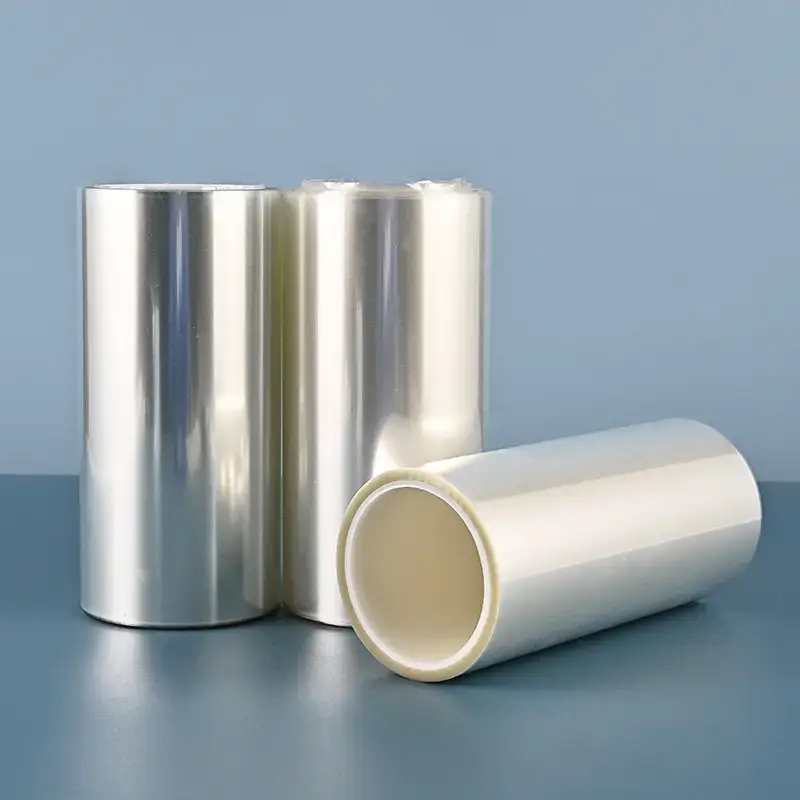
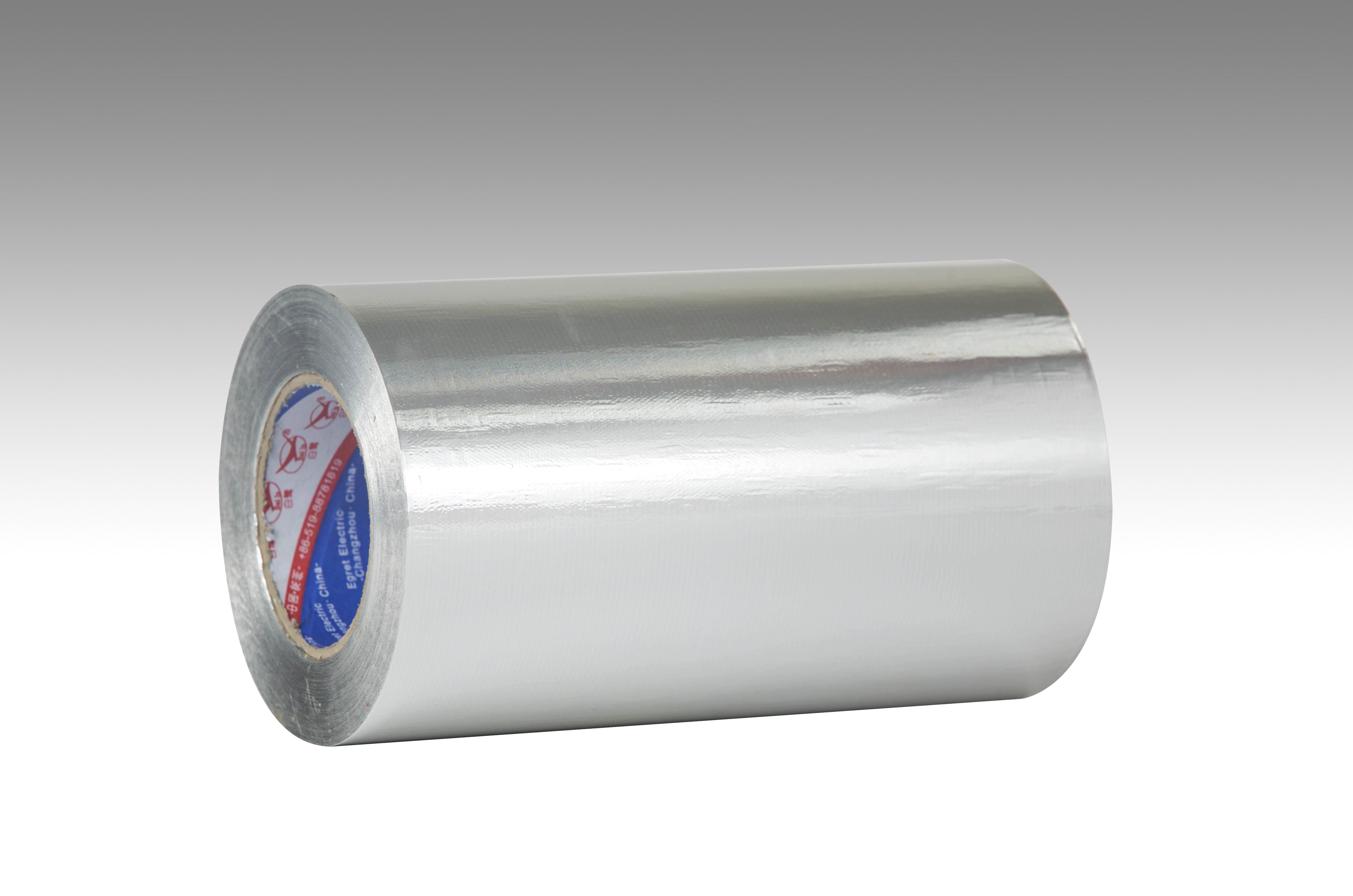
- Middle Barrier Layer: Depending on requirements, aluminum foil (oxygen and light barrier), EVOH (Ethylene Vinyl Alcohol Copolymer, high oxygen barrier), or aluminized film (cost-effective option) is chosen. Pharmaceutical packaging often adopts an aluminum foil + PET combination to enhance protection.
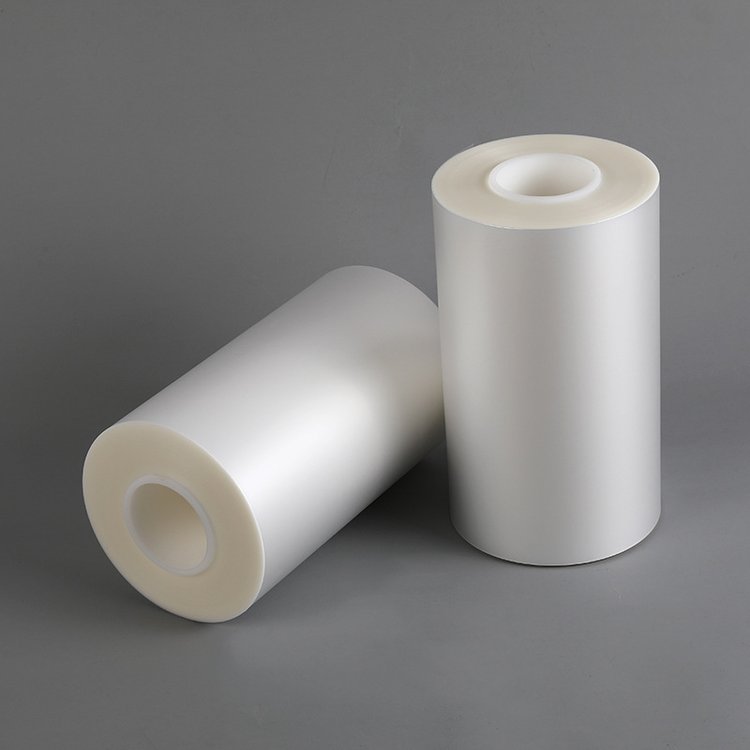
- Inner Layer: Heat-sealable materials like PE (Polyethylene) and CPP (Cast Polypropylene) are essential. For direct contact with food, they must comply with safety standards such as the EU’s EC No.1935/2004.
Adhesive selection is equally critical. Solvent-free eco-friendly adhesives have become widespread in the food industry to eliminate benzene residues, with a coating weight controlled at 3-5g/㎡ to ensure bonding strength.
2. Core Processes: Four Key Stages from Lamination to Bag Making
▪Substrate Pretreatment and Coating
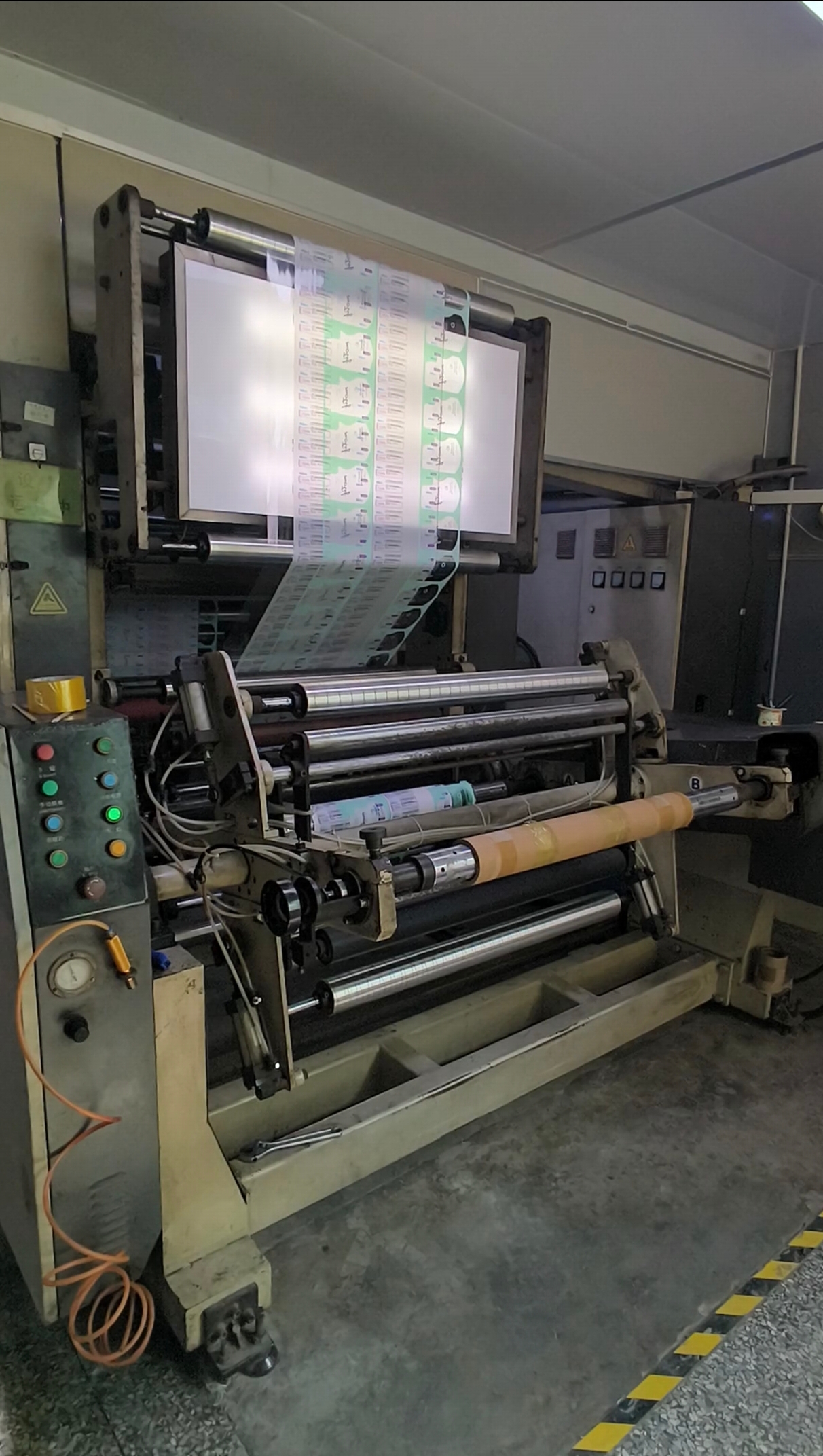
Raw materials undergo tension adjustment and surface cleaning first to remove static electricity and impurities. In the coating stage, high-precision equipment evenly applies adhesive to the substrate. Wet coating is commonly used for paper-plastic composites, while dry coating dominates plastic composites. The coating accuracy error must be controlled within ±0.1g/㎡.
▪ Lamination: The Key to Determining Strength
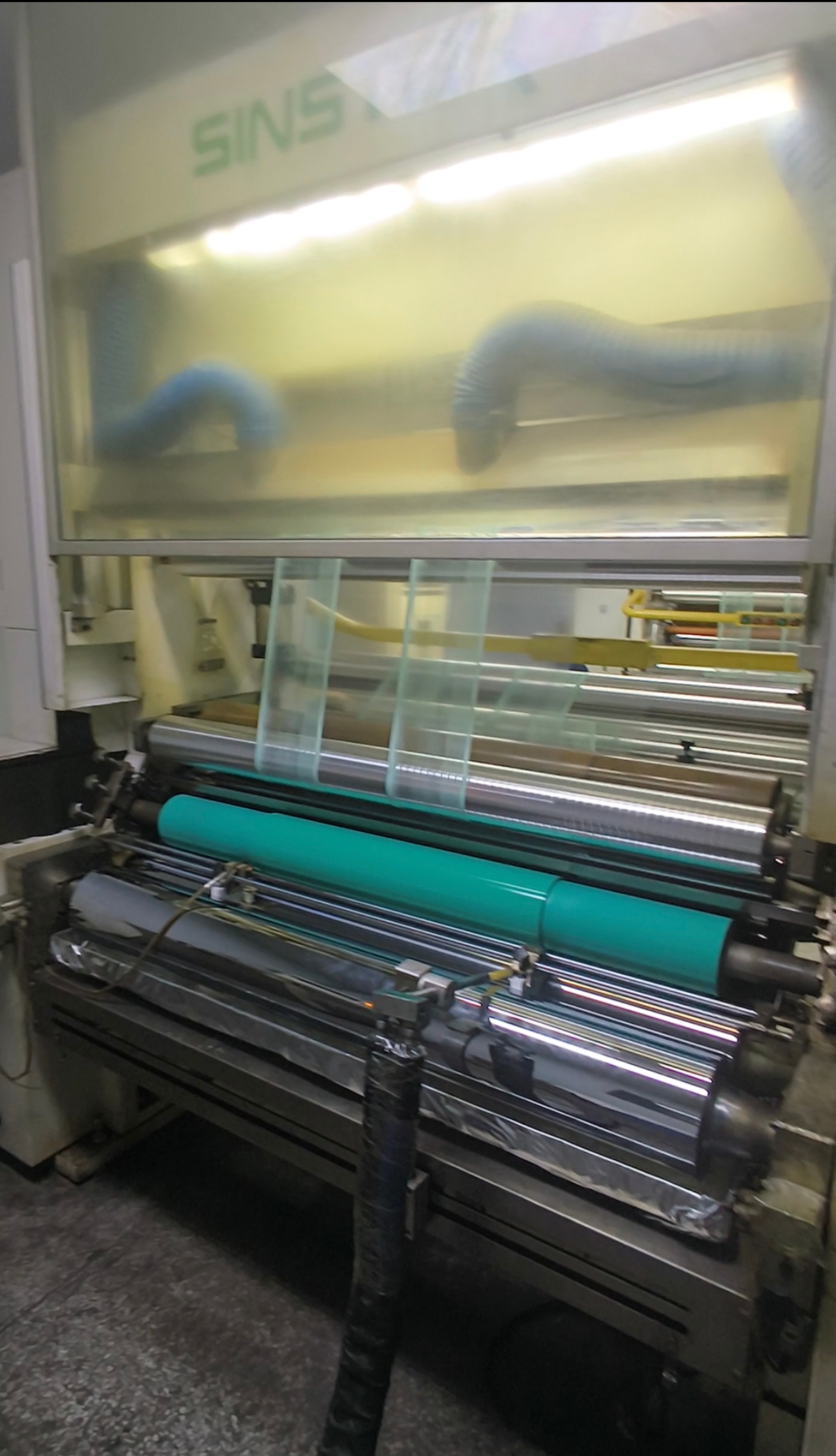
Multi-layer substrates are fed into a laminating machine and bonded via hot pressing (temperature: 80-120℃) or cold pressing. For dry lamination, the pressure is controlled at 2-3MPa, while solvent-free lamination relies on a vacuum environment to reduce air bubbles. After lamination, the materials are sent to a curing room (temperature: 40-50℃) for 24-48 hours to ensure full curing of the adhesive and prevent delamination later.
▪ Printing and Die-Cutting
Gravure printing technology is used to create patterns. For food packaging, edible-grade inks are required. The die-cutting stage uses numerical control equipment for precise cutting, with an error of no more than ±0.5mm, while also processing structural features such as easy-tear lines and holes.
▪ Heat-Sealing for Bag Making: Three Parameters Determining Sealability
Rod-type heat sealing is the mainstream process, requiring precise control of the "temperature-time-pressure" triad:
- Heat-sealing temperature: 120-150℃ for PE materials, and increased to 160-180℃ for CPP materials;
- Heat-sealing time: controlled at 0.5-1 second;
- Pressure: maintained at 20-30N/cm².
These three parameters must be dynamically balanced. For example, when the temperature increases, the time needs to be shortened to avoid the "root cutting" phenomenon that reduces strength.
3. Quality Control: The "Firewall" Throughout the Process
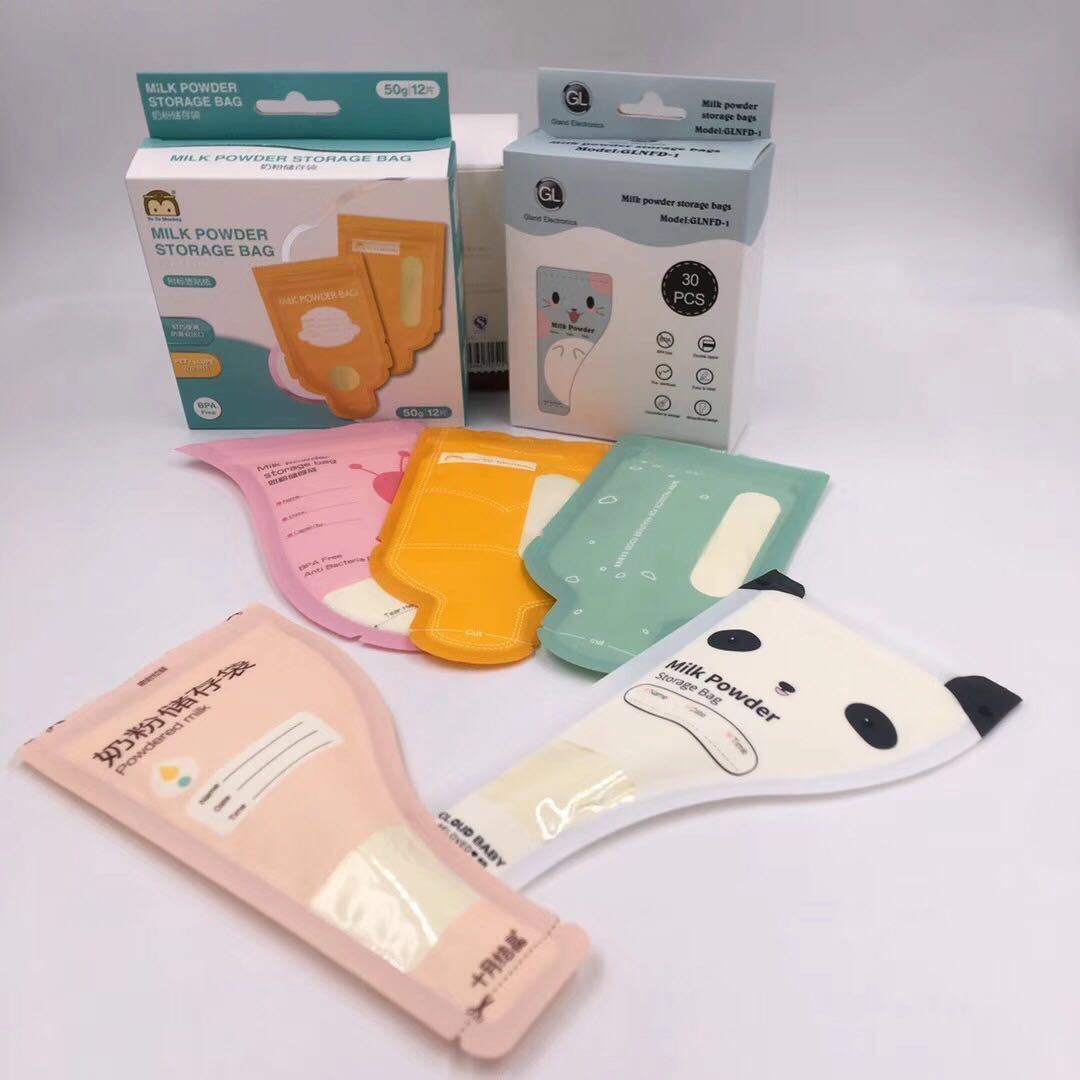
Before raw material storage, tests are conducted on substrate thickness uniformity (error ≤5%) and adhesive VOC (Volatile Organic Compounds) content. During lamination, the bonding strength is sampled and tested every 2 hours, requiring compliance with the industry standard of ≥3N/15mm. Finished products must pass three key tests:
- Sealability test (no air leakage via negative pressure method);
- Puncture strength test (≥8N);
- Heat-sealing strength test (no delamination).
Common issues can be resolved with targeted measures: Air bubbles between layers can be eliminated by increasing vacuum degree or optimizing coating weight; insufficient heat-sealing strength requires checking if the bonding strength meets standards, and replacing with enhanced adhesives if necessary.
4. Application Adaptation: Practical Logic of Material Combination
Different fields have distinct process requirements:
- Food fresh-keeping bags adopt a "PET/aluminized film/PE" structure, with an oxygen transmission rate (OTR) of ≤1cm³/(m²・24h);
- Electronic component packaging requires anti-static films, with surface resistance controlled at 10⁸-10¹¹Ω;
- Chemical packaging uses a "nylon/PE" combination, with puncture strength ≥15N.