Leave Your Message
-
Phone
-
E-mail
-
Whatsapp

-
Whatsapp

Choosing the right Liquid Bags in 2026 requires more than comparing prices or advertised capacity. Global buyers must examine product chemistry, barrier performance, seal strength, fitments, filling equipment, and transport conditions. A bag holding fruit concentrate may need strong oxygen protection. A pharmaceutical solution may demand controlled manufacturing and traceable materials. Industrial oils require different compatibility testing.
Packaging engineer Dr. Laura Flanagan offers a practical reminder: “A liquid bag is only reliable when the film, seal, fitment, and handling process work together.” Her point deserves attention. One impressive specification cannot guarantee field performance. It is easy to overlook punctures caused by pallets, leakage around connectors, or poor stacking during long-distance shipping. Small failures become expensive quickly.
This guide examines the best types of Liquid Bags for global buyers, including bag-in-box liners, aseptic bags, dispensing pouches, and flexitank systems. Each option has strengths and limits. Aseptic bags can support extended shelf life, but they require disciplined filling procedures. Flexitanks offer efficient bulk transport, yet loading plans and container protection matter greatly. Reusable systems may reduce waste, although cleaning and return logistics can complicate operations.
The “best” choice is not universal. That is the uncomfortable part. Buyers should request migration data, compatibility evidence, seal testing, and supplier quality records. They should also test realistic temperatures and handling conditions before approving large orders. Certifications matter. So does practical experience. In some projects, a simpler bag with dependable local support may outperform a technically advanced option. That possibility deserves honest consideration.
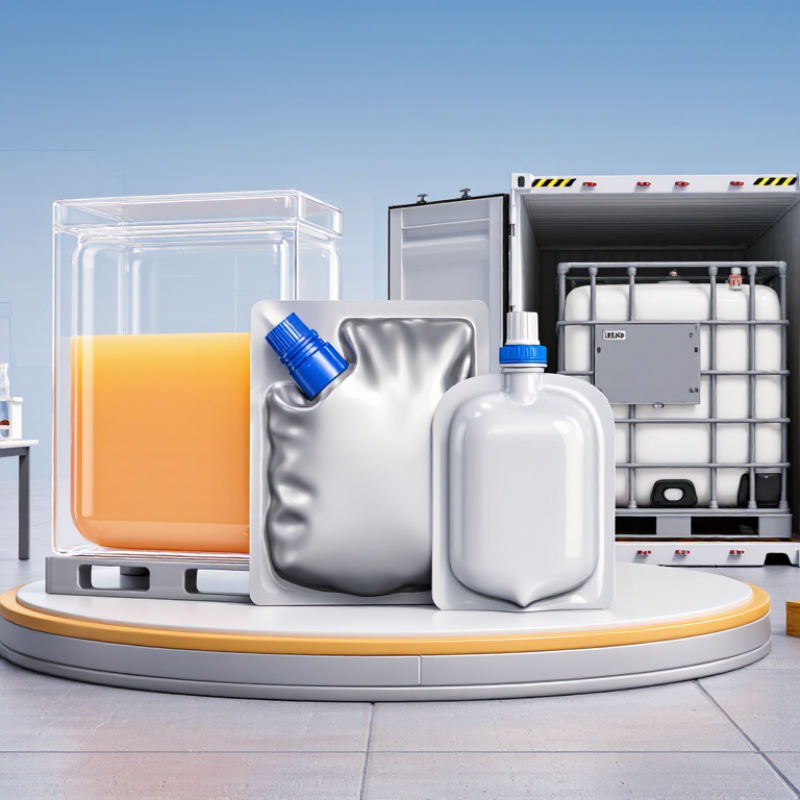
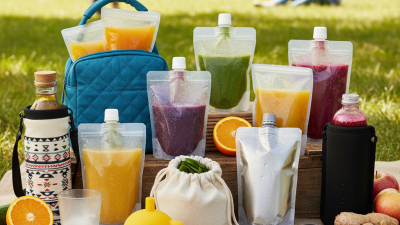
Liquid bags now cover a wide operating range, from 20–25 L pouches to 24,000 L flexitanks. The correct choice depends on product density, handling equipment, route length, and discharge conditions. A 20–25 L pouch suits sampling, small food-service deliveries, and frequent manual handling. It needs strong outer protection, because punctures often occur during stacking rather than transport.
Mid-size bag-in-box systems, commonly 200–1,000 L, reduce handling points and warehouse space. They work well for syrups, edible oils, concentrates, and selected industrial liquids. Smithers’ flexible packaging market analysis identifies lightweighting and transport efficiency as continuing industry priorities. However, thinner film is not automatically better. A small material saving can create larger losses if abrasion resistance is ignored. Product compatibility testing remains essential.
Large flexitanks typically carry about 16,000–24,000 L inside standard freight containers. They can replace many rigid containers on suitable routes, improving payload efficiency. The Container Owners Association and other technical guidance emphasize container inspection, installation control, and pressure management. Liquid temperature also matters. Expansion during transit can stress seams and fittings. ISO 21898 provides relevant guidance for flexible intermediate bulk container performance, although each liquid-bag design still requires application-specific validation. No format wins every lane. A 24,000 L solution may lower unit logistics costs, yet a 20 L pouch can offer safer, more practical control at the final delivery point.
| Liquid Bag Type | Typical Nominal Capacity | Common Construction | Best-Suited Liquids | Typical Filling and Discharge Method | Typical Distribution or Transport Use | Main Advantages | Key Limitations and Buyer Checks |
|---|---|---|---|---|---|---|---|
| Small Liquid Pouch | 20–25 L | Multi-layer polyethylene film; some formats use an outer carton, sleeve, or protective case. | Edible oils, sauces, syrups, liquid food ingredients, cleaning liquids, and selected non-hazardous products. | Usually filled through a top opening or fitment and emptied through a spout, cap, or tear-open outlet. | Retail, foodservice, sampling, small-batch distribution, and short-distance handling. | Low unit weight, convenient portioning, reduced rigid-packaging use, and easy storage when empty. | Requires protection from puncture, heat, sunlight, and rough handling. Confirm seal strength, food-contact compliance, and compatibility with the liquid. |
| Bag-in-Box Liquid Bag | 3–25 L | Flexible inner bag, commonly made from polyethylene or laminated film, enclosed in a corrugated or rigid outer box. | Wine, juice, liquid dairy products, sauces, concentrates, and other non-carbonated liquids. | Filled through a sealed fitment; dispensing is normally controlled through a tap, valve, or connector integrated into the outer package. | Retail shelves, catering, hospitality, foodservice, and controlled dispensing environments. | Good space efficiency, relatively low packaging weight, and reduced exposure to air after dispensing in suitable designs. | Outer-box strength and stacking performance are important. Verify oxygen barrier, fitment hygiene, shelf-life requirements, and temperature limits. |
| Reusable Intermediate Bulk Liquid Bag | 200–1,000 L | Heavy-duty flexible bladder, often supported by a reusable frame, cage, pallet, or rigid container. | Water-based ingredients, liquid food products, agricultural inputs, detergents, and selected industrial liquids. | Filled and discharged through valves, caps, or sanitary connectors designed for the product and handling equipment. | Factory-to-factory supply, regional distribution, warehouse operations, and repeat-use logistics. | Higher capacity than small pouches, efficient use of warehouse space, and potential reuse when cleaning and inspection are controlled. | Cleaning validation, residual-product control, valve integrity, lifting safety, and frame or cage compatibility must be confirmed before reuse. |
| Single-Trip Intermediate Bulk Liquid Bag | 500–1,000 L | Flexible multi-layer liner or bladder placed inside a pallet box, rigid outer container, or protective handling system. | Non-hazardous food ingredients, beverages, water-based chemicals, lubricants, and other compatible liquids. | Top fill and bottom discharge are common; fittings may include camlock, butterfly, ball, or sanitary-style connections. | Domestic and international palletized transport, contract manufacturing, and bulk delivery to processing sites. | Reduced return logistics, lower tare weight than many rigid alternatives, and efficient pallet utilization. | Confirm UN or dangerous-goods suitability where applicable; check drop, vibration, stacking, leakage, and temperature performance. |
| Rail or Road Bulk Liquid Liner | 10,000–24,000 L | Large flexible liner installed inside a compatible dry van, container body, or bulk transport compartment. | Selected non-hazardous food-grade liquids, industrial raw materials, liquid fertilizers, and water-based products. | Loaded through a top or rear connection and discharged through a bottom outlet, pump, or gravity system. | Full-load road or rail movements between production facilities, distribution centers, and ports. | High payload efficiency, reduced cleaning requirements compared with dedicated tank equipment, and lower return-equipment exposure. | Must be matched to vehicle geometry, outlet position, load temperature, product density, and local transport regulations. |
| Flexitank for Standard Freight Containers | 16,000–24,000 L | Single-use or limited-use multi-layer polymer liner secured inside a standard intermodal freight container. | Non-hazardous liquids such as edible oils, wine, juices, syrups, latex, emulsions, and selected liquid chemicals. | Filled through a bulkhead-mounted inlet and discharged through a front or rear outlet using gravity, pump assistance, or approved unloading equipment. | Ocean freight, intermodal transport, port-to-plant delivery, and long-distance bulk movements. | Uses widely available container infrastructure, increases liquid payload versus many drum or bottle configurations, and avoids returning a dedicated tank. | Not generally suitable for dangerous goods unless specifically approved. Verify container condition, liner specification, product density, filling temperature, pressure limits, and unloading procedures. |
| Thermal-Control Flexitank | 16,000–24,000 L | Flexitank combined with insulation, thermal blankets, or heating elements designed for temperature-sensitive cargo. | Viscous edible oils, syrups, concentrates, latex, resins, and products requiring controlled viscosity during unloading. | Standard flexitank connections with controlled heating, temperature monitoring, and pump-assisted discharge where required. | Long-distance sea transport and seasonal routes where ambient temperatures may affect viscosity or product stability. | Helps maintain handling characteristics and can reduce unloading delays caused by cooling or solidification. | Heating must be compatible with the film, container, and product. Confirm maximum product temperature, heating uniformity, monitoring requirements, and power availability. |
| Food-Grade Flexitank | 16,000–24,000 L | Multi-layer polyethylene liner using materials and fittings selected for food-contact applications. | Wine, fruit juice, edible oil, liquid sweeteners, concentrates, and other non-hazardous food liquids. | Sanitary inlet and outlet fittings; filling and unloading procedures are controlled to limit contamination and air exposure. | Bulk food exports, beverage supply chains, and international transport from processors to bottlers or food manufacturers. | Large payload, efficient container utilization, and compatibility with established food-liquid handling systems. | Review food-contact declarations, migration limits, cleaning or single-use status, odor control, seal integrity, and lot traceability. |
| Chemical-Compatible Flexitank | 10,000–24,000 L | Purpose-selected polymer film and fittings designed for a defined, non-hazardous chemical compatibility range. | Selected water-based chemicals, detergents, latex, emulsions, and compatible industrial liquids. | Bulkhead inlet and outlet with connection hardware chosen according to viscosity, density, and chemical compatibility. | Containerized international transport and plant-to-plant delivery of approved non-dangerous liquids. | Can improve bulk transport efficiency and reduce dependence on drums or intermediate rigid containers. | Compatibility is product-specific. Obtain a written compatibility assessment and confirm dangerous-goods classification, regulatory acceptance, pressure limits, and emergency procedures. |
| Buyer note: Capacity ranges are typical market ranges rather than universal specifications. Final selection should be based on liquid density and viscosity, temperature, chemical compatibility, food-contact or dangerous-goods requirements, container dimensions, filling and unloading equipment, route conditions, and applicable local regulations. | |||||||