How to Choose the Right Liquid Bags for Your Business Needs?
Choosing the right liquid bags for your business is crucial. According to industry expert John Smith, “The right liquid bags can make all the difference in efficiency.” Liquid bags come in various sizes and materials, tailored for different needs.
When selecting liquid bags, consider the type of liquid being stored. Different liquids require specific materials to avoid contamination. For instance, food-grade liquid bags are essential for beverages. They ensure safety and maintain quality.
However, navigating the options can be overwhelming. Many products look similar but differ greatly in terms of durability and safety. It's vital to research and compare. Ultimately, the right choice can enhance business operations, but the process may require careful evaluation.
Identifying Your Business Liquid Transport Requirements
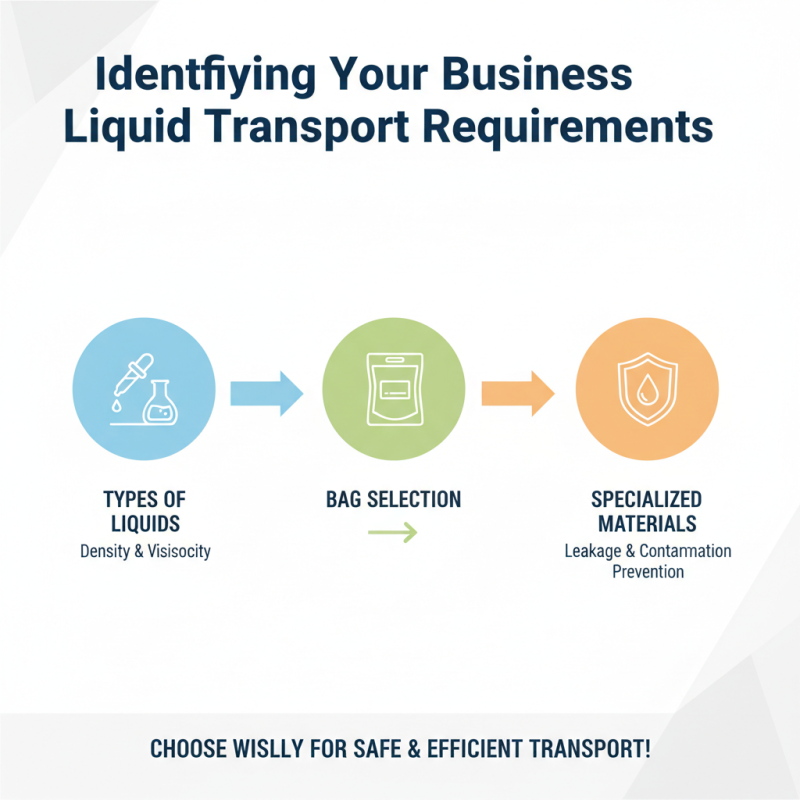
When selecting liquid bags for your business, understanding your transport requirements is crucial. Consider the types of liquids you will transport. Different liquids have varying densities and viscosities, which affect bag selection. Some liquids might require specialized materials to prevent leakage or contamination.
Tips: Assess potential temperature fluctuations. Some materials do not withstand high or low temperatures well. This can impact the integrity of the liquid bags. Choose bags that can handle the environmental conditions they will face.
Also, evaluate the volume of liquids being transported. Smaller businesses may not need large-capacity bags, while larger operations might require bulk transport solutions. Match your bag size with your business scale for efficiency.
Tips: Determine how often you will need to replace bags. Frequent replacements can inflate costs. Investing in durable construction may save money over time. Calculating long-term needs can lead to smarter choices.
Understanding Different Types of Liquid Bags Available
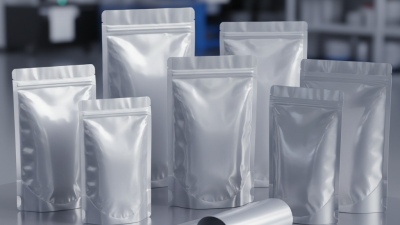
When selecting the right liquid bags, it’s crucial to understand the various types available. Liquid bags come in multiple forms, including stand-up pouches, flat pouches, and spouted bags. Each type serves different purposes and industries.
Stand-up pouches are ideal for retail. They are sturdy and can hold various liquids. They also allow for attractive product displays. Flat pouches save space and are great for shipping. These bags are usually more cost-effective. However, they might not provide as much protection.
Spouted bags often provide convenience. They allow for easy pouring and resealing. This can be beneficial in food service or chemical applications. Choosing the right type depends on your specific needs. Consider durability, usability, and product visibility. Reflect on what best fits your business model.
Product Performance of Different Types of Liquid Bags
This chart illustrates the average monthly usage of various types of liquid bags commonly used in businesses. Depending on your specific requirements, different types of liquid bags offer varied advantages and applications for optimizing storage and transportation of liquids.
Evaluating Material Options for Durability and Safety
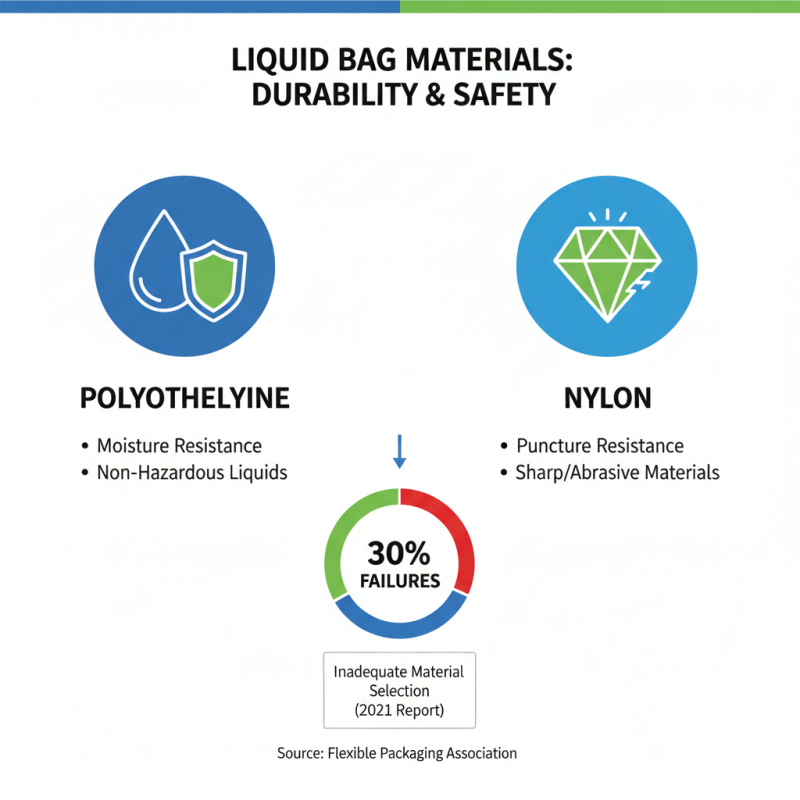
When selecting liquid bags, material durability and safety are critical. A 2021 report by the Flexible Packaging Association indicates that 30% of liquid bag failures stem from inadequate material selection. Polyethylene and nylon are popular choices due to their strong barrier properties. Polyethylene offers moisture resistance, making it suitable for non-hazardous liquids. Nylon, on the other hand, provides excellent puncture resistance. This is essential for industries that handle sharp objects or abrasive materials.
Consider the specific application for your bags. If you transport liquids that require a long shelf life, look for multilayer bags. These offer enhanced protection against leakage and contamination. A report by Smithers Pira found that 40% of product recalls are due to packaging failures. Ensuring the right material choice can mitigate such risks.
**Tip:** Always test materials under real-world conditions. Conduct stress tests to ensure they withstand various environments. If the bag doesn't hold up under pressure, it may not meet your needs. Evaluate the bag design as well, as an improperly shaped bag can lead to weak points. This small oversight can lead to significant loss during transport or storage.
Assessing Size and Capacity Needs for Efficient Use
Choosing the right liquid bags involves careful consideration of size and capacity. Understanding the specific requirements of your business is crucial for efficiency. If your operation handles small quantities, smaller bags are ideal. They reduce waste and ensure better handling. However, opting for large bags can seem tempting for bulk needs. Larger sizes may lead to excess product on hand, potentially creating storage issues.
Think about the application as well. For instance, whether the liquid is for transport or storage impacts your choice. Additionally, consider how frequently the bags are used. This factor directly influences the wear and tear on the product. Over time, using inappropriate sizes can lead to unnecessary costs. It’s essential to have a mix of sizes to address varying demands smoothly.
Finally, trial and error play a significant role in finding the right fit. Testing different bag sizes can help reveal what works best in practice. Gather feedback from your team about usability. This reflection ensures that the choices made align with actual needs and enhance overall efficiency. Always strive for a balance between capacity and practicality.
Comparing Cost and Supplier Reliability in Liquid Bag Selection
When selecting liquid bags for your business, assessing supplier reliability is crucial. A reliable supplier ensures consistent quality and timely delivery. Research their history. Look for customer reviews and testimonials. Speak with current clients, if possible. An established reputation in the industry usually indicates dependability.
Cost considerations are equally important. While cheaper options may tempt you, they often come with hidden issues. Consider the total cost of ownership. Analyze factors like durability and performance. Cheaper liquid bags may lead to frequent replacements, ultimately raising costs. Balancing cost and quality is essential.
Don't overlook the importance of testing samples. This step can reveal any potential flaws early on. Reflecting on past experiences can guide your choices. Gather feedback from your team. Their insights can help fine-tune your decision-making process. Remember, the right liquid bags contribute significantly to operational efficiency.
How to Choose the Right Liquid Bags for Your Business Needs?
| Criteria |
Supplier A |
Supplier B |
Supplier C |
| Cost per Bag |
$0.50 |
$0.55 |
$0.52 |
| Minimum Order Quantity |
500 |
1000 |
750 |
| Lead Time |
2 Weeks |
3 Weeks |
2.5 Weeks |
| Quality Rating |
4.5/5 |
4.0/5 |
4.2/5 |
| Customer Support |
Excellent |
Good |
Very Good |