How to Choose the Best Bag In Box Packaging for Your Needs?
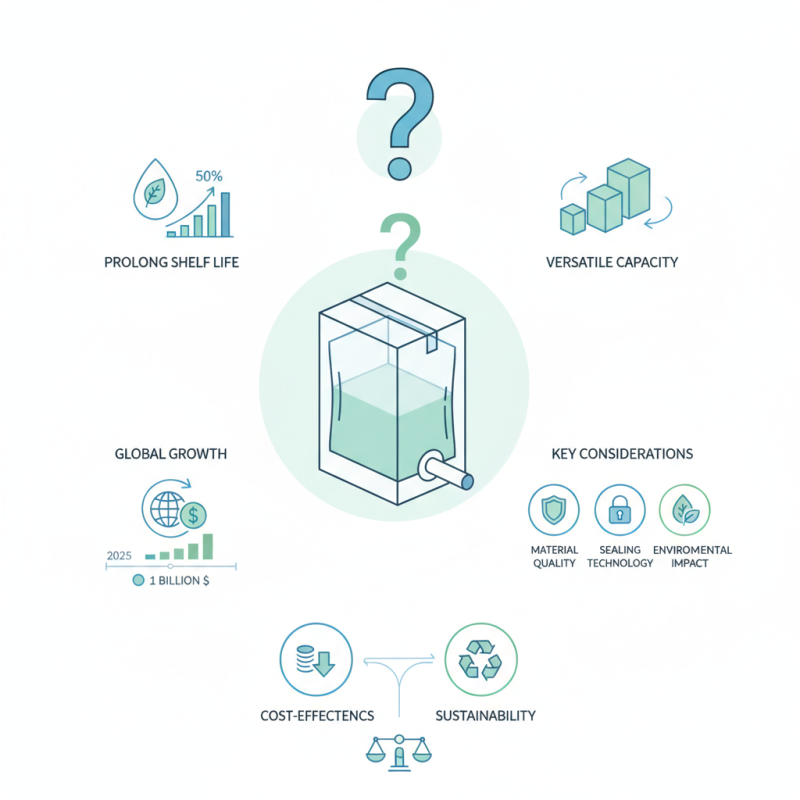
When selecting the right packaging solution, Bag In Box Packaging stands out as a versatile option. Industry reports indicate that this packaging method reduces oxidation and prolongs shelf life by up to 50%, making it ideal for beverages, sauces, and other liquids. Its flexible design accommodates various capacities, supporting both small-scale and bulk needs.
Furthermore, a study by Smithers Pira highlights the global market growth for Bag In Box Packaging, projected to reach $1 billion by 2025. However, choosing the right type involves assessing your specific requirements. Consider factors such as material quality, sealing technology, and environmental impact. Some suppliers may offer inferior products that compromise durability, which warrants careful consideration.
It's essential to reflect on your priorities. Are you focusing more on cost-effectiveness or sustainability? These decisions can shape your brand’s identity. Balancing these aspects while ensuring high-quality standards enhances customer satisfaction. Ultimately, making an informed choice in Bag In Box Packaging could be the key to elevating your product's appeal and efficiency.
Understanding the Basics of Bag In Box Packaging Options
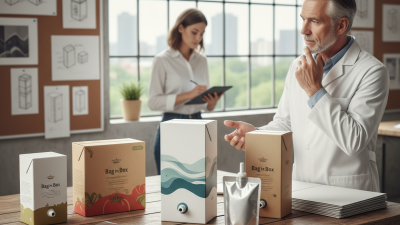
Bag In Box (BIB) packaging offers a versatile solution for various liquids. It consists of a bag sealed within a rigid box. This design protects the product from light and air, ensuring freshness. Understanding the basics of BIB packaging is crucial when selecting the right options.
When assessing BIB packaging, consider the size and volume you need. Different capacities are available, from small to large bags. Make sure the box structure fits well for storage and transport. Also, think about the dispensing method. Tap and spout options are common. They can impact ease of use.
Tips: Conduct a pilot test with your chosen BIB option. It helps evaluate how well it maintains product quality. Also, observe customer feedback on the ease of use. Check for durability and leaks as well. It’s essential to acknowledge that not every BIB solution will work for every product. Being flexible enough to adapt is key to finding the best fit for your needs.
Choosing the Right Bag In Box Packaging
This chart illustrates the popularity of different Bag In Box packaging materials based on recent industry data. Understanding these preferences can help you make an informed decision for your needs.
Evaluating Different Materials for Bag In Box Packaging
When evaluating materials for Bag In Box (BIB) packaging, understanding their unique properties is crucial. Typically, BIB consists of an inner flexible bag and a sturdy outer box. The bag is often made from high-density polyethylene (HDPE) or linear low-density polyethylene (LLDPE). These plastics provide good barrier properties against moisture and oxygen, extending the shelf life of products. Reports suggest that BIB packaging reduces waste by 30% compared to traditional bottles.
Considerations around durability are essential. A robust outer box is needed to prevent damage during transport. Cardboard boxes, often corrugated, are popular choices due to their strength and ease of recycling. The research indicates that using recyclable materials not only supports sustainability but also appeals to eco-conscious consumers. The shift towards greener options has seen a 15% increase in demand for recyclable packaging solutions.
However, challenges remain. Not all materials are universally compatible. Certain products may require specialized bags that resist tearing or puncturing. Testing different combinations is often necessary. Even minor variations can impact performance. Ensuring product safety while maintaining efficiency continues to be a balancing act for producers in the industry.
Assessing Size and Volume Requirements for Your Products
When selecting bag in box packaging, size and volume are crucial factors. Assessing the dimensions of your product is essential. Consider the physical characteristics of what you intend to package. This ensures that the product fits snugly without excess space. Improper sizing can lead to operational inefficiencies and wasted materials.
Volume is another key aspect. Determine how much liquid or product you will need to store. A box that is too large may lead to unnecessary air exposure. This can affect product quality over time. Conversely, a small box can cause spillages or product damage. Striking the right balance enhances both functionality and safety.
Reflecting on your specific needs will help. Think about how often you expect to refill or restock. It can be smart to choose packaging that allows for flexibility. Ultimately, mistakes in sizing or volume choices can be costly. Avoiding these pitfalls may save time and resources in the long run.
How to Choose the Best Bag In Box Packaging for Your Needs?
| Product Type |
Size Requirement (Liters) |
Volume Capacity (ml) |
Material Type |
Recommended Use |
| Wine |
3 |
3000 |
Plastic |
Retail |
| Juice |
5 |
5000 |
PET |
Food Service |
| Sauce |
10 |
10000 |
Film Laminated |
Catering |
| Beer |
20 |
20000 |
Aluminum |
Events/Festivals |
| Oil |
1 |
1000 |
Polyethylene |
Retail |
Analyzing Cost-Effectiveness and Budget Considerations
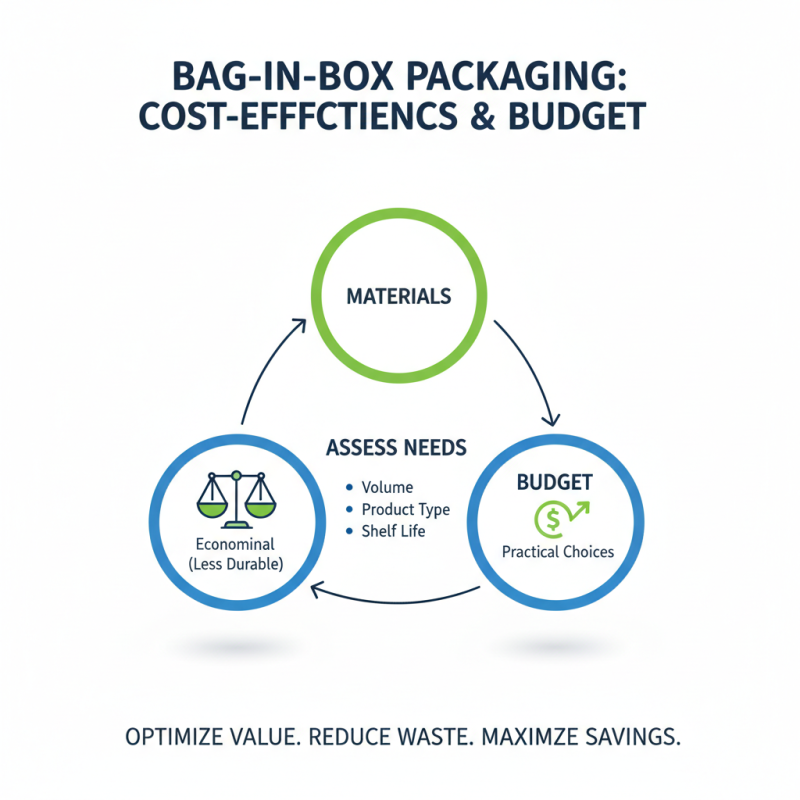
When choosing bag-in-box packaging, cost-effectiveness is vital. Different options come with unique price points. It's essential to evaluate the materials used, as some may be more economical but less durable. Assess your specific needs—volume, product type, and shelf life. This will help narrow down choices and create a practical budget.
Considering production costs is also critical. Bulk purchasing might lower the per-unit cost, but initial investments can be high. Analyze your budget constraints realistically. If you opt for lower-cost materials, reflect on potential trade-offs in product protection and customer perception. Long-term savings might not compensate for a negative customer experience.
Delve into the logistical aspects too. Transportation and storage must fit within your budget. A lighter package can reduce shipping costs. However, ensure that it does not compromise the integrity of the product. Balancing cost with quality requires consistent evaluation and might expose weaknesses in your current strategy. Being mindful of these factors leads to more informed decisions.
Exploring Environmental Impact and Sustainability Factors
When considering Bag in Box (BiB) packaging, sustainability plays a key role. The global shift toward eco-friendly solutions is evident. According to the MarketsandMarkets report, the BiB market is projected to reach $6.5 billion by 2024. This growth reflects a rising demand for sustainable packaging options.
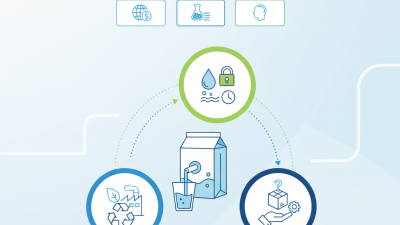
Choosing BiB packaging means evaluating its environmental impact. One aspect to consider is the material used. Many BiB products utilize renewable resources, reducing reliance on plastics. A study from Smithers Pira highlighted that BiB can reduce excess packaging waste by up to 30%. This is significant when addressing global landfill concerns.
However, it's crucial to reflect on the entire lifecycle of packaging. While BiB offers advantages, it still requires oversight. The production process and transport must also be optimized to minimize carbon footprints. In some cases, the weight of the pack can affect transportation emissions. As industries strive for sustainability, decisions should focus on holistic environmental benefits, ensuring every choice leads to a healthier planet.