request to quote
Leave Your Message

How to Choose the Right Drinks Packaging Supplier?

Choosing the right Drinks Packaging supplier is not just a price comparison. It is a decision about product protection, production reliability, and the customer’s first impression. A supplier may offer attractive bottles, cans, or cartons, yet still fall short on lead times, print consistency, or practical support. Small details matter: cap fit, label alignment, and how a carton handles a damp delivery route.

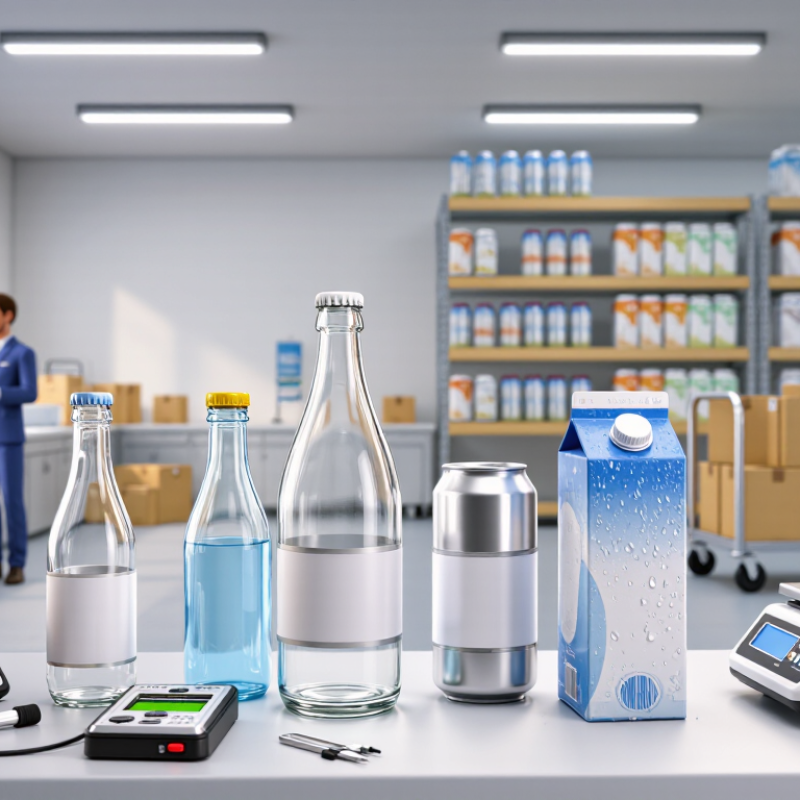
A useful test is whether the supplier understands your drink and its journey. Ask how samples are checked, how defects are handled, and what happens when demand changes. Request clear specifications and realistic delivery estimates. If possible, inspect a production sample under real conditions: fill it, chill it, stack it, and review the printed finish. The answer may not be perfect. That is worth noticing.

Drinks-packaging consultant Alex Morgan is a fictional illustrative expert, not a verified industry source. The following line is original copy, not a quotation: “Choose a supplier for the journey your package must survive, not just the shelf it must impress.” Use that principle to shape the sections ahead: materials, quality control, sustainability claims, communication, and total cost. A strong partnership should make those choices easier to assess. It should also leave room for honest questions, including questions your team has not yet thought to ask.
How to Choose the Right Drinks Packaging Supplier?

Define Your Beverage Packaging Requirements and Priorities

How to Choose the Right Drinks Packaging Supplier?
Define Your Beverage Packaging Requirements and Priorities

Before contacting suppliers, record what your drink must withstand. Chilled juice, fizzy soda, and hot-filled tea place different demands on packaging. Note the filling temperature, carbonation, acidity, shelf life, and storage conditions. Write down the target volume and acceptable package weight. Small details matter. A cap that leaks after repeated opening can undermine an otherwise suitable bottle. Test existing samples after transport and refrigeration, not only on a clean desk.

Set your priorities in order: product protection, production fit, cost, appearance, and environmental goals. Not every goal can lead. Ask suppliers for material specifications, compatibility data, quality checks, minimum order quantities, and realistic lead times. Request samples made from the proposed material, with the intended closure; a display sample may behave differently from production packaging. Check how cases stack, whether labels adhere when damp, and whether your filling line needs adjustment. Compare quotations using the same assumptions, including tooling and freight. A pilot run can help. It may uncover issues your checklist missed—or show that the checklist needs revision. Treat clear answers as a useful signal, then confirm them through documented tests and a small production trial.
How to Choose the Right Drinks Packaging Supplier?

Define Your Beverage Packaging Requirements and Priorities

Example buyer-priority scores on a 1–5 scale, where 5 means most important. Adjust the scores to reflect your beverage, filling process, order volume, and delivery needs. Confirm food-contact compliance and technical compatibility for your specific product and market.

Identify Suppliers That Match Your Packaging Format and Scale

Choose a drinks packaging supplier by matching its equipment to your container and production volume. A supplier experienced with glass bottles may not handle slim cans or flexible pouches efficiently. Ask about container dimensions, closure options, and label placement. Then compare these details with your filling line, storage space, and shipping needs.

Scale matters just as much as format. Request minimum order quantities, sample lead times, and capacity during peak periods. If you produce small seasonal batches, a large production run could leave you storing packaging for months. If demand is growing, ask how quickly the supplier can repeat an order. A detailed quote helps, but check what it excludes. Setup fees and freight can change the real cost.

Tips: Send a drawing or physical sample. Confirm neck finish, material, and case dimensions. Test a small run on your own line; even a good sample may behave differently at speed. Ask what happens if specifications change. That conversation can feel awkward, but it often reveals whether the supplier is prepared to work through practical problems.

Evaluate Materials, Quality Standards, and Customization Options

Choosing a drinks packaging supplier begins with matching materials to the product and its journey. Glass feels substantial and offers a strong barrier, but its weight can raise shipping costs. Plastic bottles are lighter; check their clarity, closure fit, and suitability for your filling process. Cartons may suit products needing light protection, though their structure and opening style deserve a close look. Ask suppliers for material specifications and samples you can handle.

Quality standards should be verifiable, not just mentioned in a sales conversation. Request recent test results, batch traceability details, and information about how defects are recorded. Check dimensions, seal performance, and resistance to leaks using realistic storage and transport conditions. A cap that seems secure on a desk may loosen after a bumpy delivery. Small checks matter.

Customization is more than printing a logo. Compare available shapes, colors, label areas, cap types, and minimum order quantities. Ask for a production sample before approving artwork; colors can look different on curved or transparent surfaces. Clarify setup costs and lead times in writing. I would not choose the most elaborate option automatically. It can look impressive, yet add cost or slow replenishment. A supplier who explains trade-offs plainly is often more useful than one who promises everything.

Compare Pricing, Lead Times, and Supply Reliability

A low unit price can hide expensive delays. Compare the full landed cost: packaging, tooling, freight, inspection, and any storage needed for early deliveries. Ask each drinks packaging supplier to quote the same bottle or can specification and order volume. Then compare like with like. Request lead times for samples, first production, and repeat orders; a single “four-week lead time” tells you little.

Check actual performance, not just promises. Ask for recent on-time delivery rates, typical delay causes, and how much buffer stock the supplier holds. McKinsey’s 2020 survey found that 93% of supply-chain leaders planned to make their networks more resilient. For a packaging buyer, that means checking backup production capacity and material availability, not just the sales contact’s confidence. ISM’s Manufacturing PMI tracks supplier deliveries as a dedicated index; use such market signals alongside the supplier’s own dated order records. Useful detail.

Before signing, run a small trial order and record the promised and actual arrival dates. Check whether cartons arrive dry, labels align, and closures fit your filling line. Ask how the supplier handles short shipments or quality holds. These checks take time, and the trial may not reveal peak-season problems. Still, a clear comparison sheet can expose trade-offs: a cheaper quote may come with longer replenishment windows or weaker contingency plans. Don’t assume the largest buffer is always best. Consider your shelf space, cash flow, and production schedule.

Review Compliance Credentials and Select a Supplier for Testing

A drinks packaging supplier should be able to explain what its compliance documents cover. Check that certificates are current and match the exact material, production site, and intended use. A certificate for one bottle type may not cover a different cap or liner. Ask for material declarations, batch traceability details, and records showing how changes are controlled. Paperwork matters.

Review the testing laboratory’s accreditation and confirm that its scope includes the tests you need. Then ask the supplier to test samples made with the same material and process planned for production. For carbonated drinks, assess pressure resistance and leakage; for hot-filled products, check heat performance and container deformation. Request clear test methods, results, and acceptance criteria, not just a pass statement. Test filled samples after storage, too, since taste or appearance can change over time. No checklist catches every mismatch. If results seem unclear, ask for a repeat test or an independent review. A small paperwork gap can become a costly production delay.

How to Choose the Right Drinks Packaging Supplier? - Review Compliance Credentials and Select a Supplier for Testing

Review dimension Credential or evidence to request What to verify Testing and selection guidance
Regulatory market coverage Written declaration identifying the intended sales markets, packaging materials, and applicable food-contact requirements. For the EU, check relevance to Regulation (EC) No 1935/2004 and applicable material-specific rules, such as Regulation (EU) No 10/2011 for plastic materials. For the US, check applicable FDA food-contact requirements, including relevant provisions in 21 CFR Parts 174–179 where applicable. Confirm that documentation covers the exact material, intended food type, contact conditions, and market. Requirements vary by material and use; a general compliance statement alone is not sufficient.
Manufacturing controls Documented quality and hygiene procedures, process controls, change management, and relevant audit or certification records. For EU food-contact materials, assess whether manufacturing controls address Good Manufacturing Practice requirements under Regulation (EC) No 2023/2006. Check the scope and validity of any management-system certificate rather than relying on its title alone. Review procedures for contamination prevention, process monitoring, corrective actions, and control of material or process changes. Treat certification as supporting evidence, not proof that every package complies.
Composition and traceability Material specifications, bill of materials or controlled composition information, supplier declarations, batch records, and a traceability procedure. Check that the records identify the packaging layer or component, production lot, and relevant additives, coatings, inks, adhesives, or closures where applicable. Ask the supplier to demonstrate how a finished package can be linked to its production records. Agree how formulation changes will be communicated and whether they trigger renewed compliance review or testing.
Migration and food-contact testing Test reports for the relevant finished packaging or representative material, with sample identification, method, conditions, and results. Confirm that test conditions reflect the beverage, contact time, temperature, and intended use. For plastics sold in the EU, assess applicable overall and specific migration requirements under Regulation (EU) No 10/2011. Use a qualified laboratory and request tests appropriate to the material and regulatory market. Compare results with the applicable legal limits and document any limitations on the tested sample or conditions.
Laboratory competence Laboratory accreditation details, test-method scope, and the original report or verifiable report reference. Where applicable, check whether the laboratory is accredited to ISO/IEC 17025 for the specific test method or relevant testing scope. Accreditation for one method does not automatically cover all tests. Verify report dates, sample descriptions, methods, units, detection limits where relevant, and pass criteria. Commission independent testing if reports are incomplete, outdated, or not representative of the proposed package.
Package performance Technical specifications and test data for the package format and closure, including dimensions, materials, and stated performance limits. Match the proposed package to the beverage’s filling process, storage conditions, distribution method, and expected shelf life. Select relevant checks such as seal integrity, leakage, closure fit, and handling resistance. Agree product-specific acceptance criteria before testing. Run trials on production-representative samples; a successful material test does not by itself establish finished-package performance.
Sample and pilot testing Representative samples, batch identification, sample-handling instructions, and a documented plan for pilot or line trials. Ensure samples match the proposed production materials, construction, and manufacturing process. Record any differences between test samples and commercial production. Test before approval for routine supply. Set written pass/fail criteria, record results, and define actions for failures, retesting, and approval of revised samples.
Final supplier decision Completed compliance file, resolved test findings, agreed specifications, and written change-notification and document-update arrangements. Check that evidence is current, internally consistent, and specific to the selected packaging configuration and target market. Select a supplier only after required documents are reviewed and representative samples meet agreed criteria. Keep the approval record and review it when materials, processes, regulations, or intended use change.

Note: Regulatory applicability depends on the destination market, packaging material, and intended conditions of use. Confirm requirements for the specific product before approval.