Leave Your Message
-
Phone
-
E-mail
-
Whatsapp

-
Whatsapp

Choosing a container is not a cosmetic decision. It affects product protection, shipping cost, shelf life, waste, and customer trust. A suitable Container For Packing must match the product’s weight, moisture sensitivity, temperature range, and handling route. A glass jar may protect aroma well, yet it adds breakage risk and freight weight. Corrugated packaging may absorb impacts, but it can weaken in damp storage. Small details matter. A loose closure can turn a careful shipment into a costly return.
The Smithers report, The Future of Global Packaging to 2028, forecasts that the global packaging market will approach $1.2 trillion by 2028. That scale makes minor design choices commercially significant. The World Packaging Organisation’s Global Packaging Trends report identifies sustainability, e-commerce, and material efficiency as continuing industry pressures. The OECD’s Global Plastics Outlook reports that plastic waste doubled between 2000 and 2019, while only 9% was recycled. These figures challenge convenient packaging habits. No container is perfect. A lighter package may reduce transport emissions but provide less protection. A recyclable material may require suitable local collection systems. This is where professional judgment matters. Product trials, compression tests, moisture checks, and real shipping simulations should guide the final selection. Testing exposes weak assumptions. The best choice balances safety, performance, cost, user experience, and end-of-life recovery. Some decisions will remain imperfect, especially when supply chains and recycling infrastructure differ by region. That uncertainty deserves honest evaluation, not attractive claims without evidence.
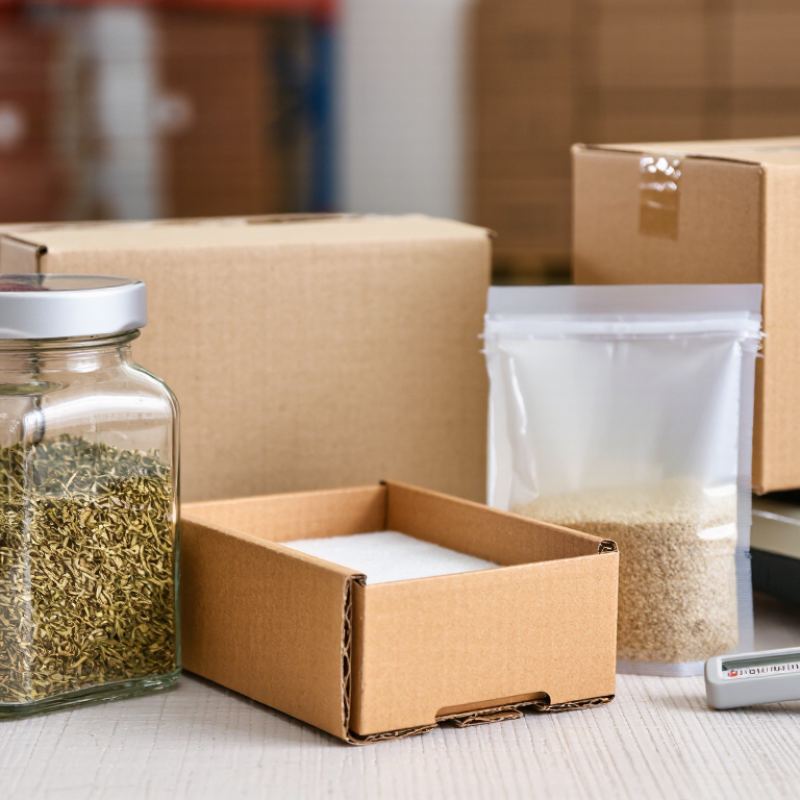
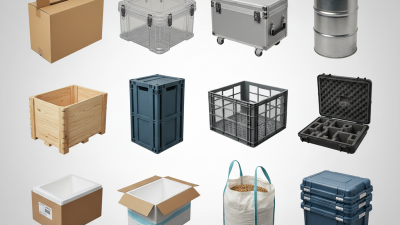
A packing container is the outer vessel that holds and protects a product during storage, handling, and transport. It can be a carton, crate, pouch, tube, or reusable box. Its purpose is more than holding an item. It controls movement, absorbs pressure, and helps reduce exposure to dust, moisture, and impact. The right container protects both the product and the people handling it. A weak wall may collapse under stacked weight. Excess space can let an item shift repeatedly. That movement often causes scratches, dents, or broken parts.
Choosing a container requires more than measuring length, width, and height. Consider the product’s weight, shape, fragility, and expected environment. In practical packing work, I once found damage caused by a small gap near one corner. The item looked secure, but repeated movement changed everything. Now, I check empty space more carefully and use suitable cushioning when needed. A reliable process includes sample packing, basic drop checks, and inspection of seams and closures. Still, testing is never perfect. A container may pass a workshop test yet face rougher handling elsewhere.
Tips: Match container strength with product weight. Keep heavy items low and centered. Fill gaps without creating pressure. Protect moisture-sensitive contents with an appropriate inner barrier. Store packed containers away from damp floors and sharp edges. Clear handling labels can help, but they cannot replace solid protection.
A packing container is a box, bag, crate, case, or other enclosure used to hold and protect products during storage, handling, and transportation. The right choice depends on product sensitivity, load weight, environmental exposure, handling conditions, reuse requirements, and end-of-life considerations.
| Container Type | Typical Construction | Best Suited For | Typical Load Capacity | Moisture Resistance | Reuse Potential | Key Advantages | Main Limitations |
|---|---|---|---|---|---|---|---|
| Corrugated Fiberboard Box | Fluted paperboard bonded between liner sheets | General products, e-commerce shipments, dry goods, and lightweight components | Approximately 5–30 kg | Low to moderate; coatings can improve resistance | Usually 1–5 shipping cycles, depending on handling and moisture exposure | Lightweight, printable, widely recyclable, and available in many sizes | Performance decreases when wet, crushed, or repeatedly handled |
| Rigid Plastic Tote | Injection-molded or formed polypropylene or high-density polyethylene | Industrial components, warehouse distribution, returnable transport, and repeated handling | Approximately 10–50 kg | High; generally resistant to water and many common chemicals | Often 50–200+ cycles when properly handled | Durable, stackable, washable, and suitable for closed-loop logistics | Higher initial cost, greater weight, and recycling depends on resin and local facilities |
| Wooden Crate | Sawn timber, plywood, nails, screws, or structural fasteners | Heavy machinery, large parts, irregular products, and export-style transport | Approximately 50–2,000+ kg | Moderate; treated or sealed wood improves resistance | Several cycles if kept dry and structurally sound | High structural strength, customizable dimensions, and good protection for heavy loads | Heavy, bulky, vulnerable to prolonged moisture, and may require pest-treatment compliance |
| Steel Drum | Formed steel body with a sealed lid or removable head | Liquids, powders, industrial chemicals, and hazardous materials when approved for the contents | Commonly 100–250 kg | High when correctly closed and internally protected | Multiple cycles after inspection and reconditioning | Strong, puncture-resistant, and suitable for regulated transport applications | Heavy, susceptible to corrosion if unprotected, and unsuitable for every product type |
| Plastic Pail | Rigid polypropylene or high-density polyethylene with lid and handle | Paints, powders, adhesives, food ingredients, and maintenance products | Approximately 5–25 kg | High for many water-based products; compatibility must be checked | Limited to moderate; depends on cleaning, closure integrity, and product residue | Easy to carry, resealable, stackable, and resistant to moisture | May crack under impact or cold temperatures; not suitable for all chemicals |
| Flexible Intermediate Bulk Container | Woven polypropylene fabric with lifting loops and an inner liner when needed | Dry powders, granules, agricultural materials, minerals, and construction products | Commonly 500–2,000 kg | Moderate; liners and laminated fabric can improve protection | Single-trip or reusable versions are available; inspection is essential | High volume efficiency, low tare weight, and convenient forklift or crane handling | Requires suitable lifting equipment and protection from sharp edges and abrasion |
| Insulated Shipping Container | Insulating foam or reflective layers combined with a box, liner, or reusable shell | Temperature-sensitive food, pharmaceuticals, laboratory materials, and biologic samples | Usually 2–25 kg of product | Varies; sealed liners can provide strong moisture protection | Disposable and reusable formats are available | Helps limit temperature change and protects sensitive contents during transit | Higher cost, added volume, and temperature control duration is limited by design and conditions |
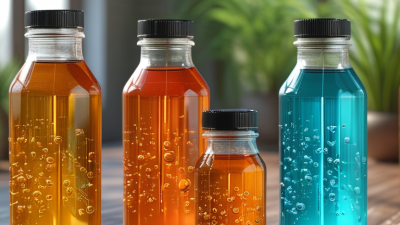
| Glass Bottle or Jar | Formed glass with a compatible cap, closure, or seal | Liquids, cosmetics, laboratory substances, and products requiring strong barrier protection | Commonly 0.1–5 kg per unit | Very high; glass is generally impermeable to water and gases | Can be reused when designed, collected, and inspected for safe reuse | Excellent barrier properties, chemical stability, and product visibility | Fragile, relatively heavy, and requires cushioning or secondary containment |