2026 How to Choose the Best Drinks Packaging Solutions?
When selecting the best drinks packaging solutions, various factors come into play. The right packaging can impact the product's shelf life, branding, and consumer appeal. Drinks packaging plays a crucial role in attracting customers.
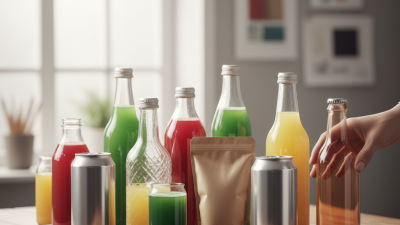
Different materials, such as glass, plastic, and aluminum, each offer unique benefits. Glass is often seen as premium yet can be heavy and breakable. On the other hand, plastic is lightweight and flexible but may raise concerns over environmental impact. Aluminum cans are recyclable and lightweight, appealing to many consumers.
Businesses should also consider sustainability. Eco-friendly packaging can enhance brand value. Consumers are increasingly seeking brands that demonstrate environmental responsibility. Therefore, the choice of drinks packaging must align with consumer expectations and industry standards. Taking time to evaluate these elements can lead to a more effective and responsible packaging decision.
Understanding the Importance of Sustainable Drinks Packaging Solutions
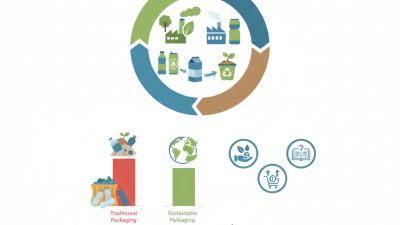
Sustainable drinks packaging solutions are becoming increasingly important in our environmentally conscious world. According to a report by the Ellen MacArthur Foundation, over 300 million tons of plastic are produced every year, contributing to global waste crises. Choosing the right packaging can significantly reduce this impact. More than 70% of consumers are willing to pay more for environmentally friendly packaging options. This shift in consumer preference underscores the need for effective solutions.
When selecting packaging, consider the material's lifecycle. Biodegradable options are often seen as superior. However, some products still require traditional plastics for safety. Conducting a lifecycle assessment can help you understand the environmental trade-offs involved. Always ask questions: Is this packaging recyclable? How is it produced?
Tips: Look for certifications on packaging materials. It can assure you of sustainability claims. Collaborate with suppliers who focus on using eco-friendly materials. Stay informed about emerging technologies that enhance recyclability. Every small change counts in the broader effort to combat waste. Embrace trials with innovative solutions, even if they present challenges. Facing imperfections in the current system can drive improvement.
2026 Sustainable Drinks Packaging Solutions - Market Share by Material Type
Analyzing Consumer Preferences in Drinks Packaging: Trends and Data
Consumer preferences are evolving in the drinks packaging sector. Today, sustainability holds paramount importance. Many consumers actively seek eco-friendly options. They favor materials that minimize environmental impact. Biodegradable and recyclable packaging are increasingly popular. Industry trends show a clear shift towards these greener alternatives.
Technology also plays a significant role. Smart packaging is gaining traction, tapping into the consumer need for convenience. Features like QR codes for product information are in demand. These innovations enhance the user experience and provide transparency. They help consumers feel more connected to what they consume.
Yet, not all preferences are straightforward. Some consumers prioritize aesthetics over sustainability. They might choose visually appealing packaging, even if it’s less environmentally friendly. Understanding these nuances is crucial for brands looking to cater to diverse tastes. The challenge lies in balancing design, functionality, and sustainability to meet varying expectations.
Evaluating Material Options: Glass, Plastic, and Alternatives in Drink Packaging
When choosing the right packaging for drinks,
material selection is crucial. Glass is often praised for its
premium feel and recyclability. However, it can be heavy and prone to breakage. This can limit its use in certain environments,
like outdoor events. On the other hand, plastic is lightweight and highly adaptable.
Yet, it poses challenges with sustainability and recycling. It's essential to weigh these factors seriously.
Tips for selecting materials: Consider the product type and target market.
If branding focuses on eco-friendliness, glass or biodegradable materials may appeal more. For convenience and portability,
plastic could be the better choice. Another aspect to consider is the shelf life of the beverage.
Glass often extends freshness, which might be vital for juices or specialty drinks.
Alternative materials, like plant-based plastics, are emerging. They offer a compromise
between durability and sustainability. However, their effectiveness is sometimes debated. Ensure the packaging aligns with your
brand values and meets consumer expectations. Reflecting on these elements can lead to better decisions in drink packaging.
Examining Regulatory Standards in the Beverage Packaging Industry for 2026
Navigating the regulatory landscape in the beverage packaging industry for 2026 is vital for success. As consumer awareness grows, compliance becomes key. Governments worldwide are tightening regulations to ensure safety and environmental sustainability. Packaging materials must meet stringent guidelines to avoid penalties and promote consumer trust.
Tips for selecting compliant packaging solutions are crucial. Always verify that materials are food-safe and recyclable. Look for certifications that demonstrate adherence to industry standards. Opting for sustainable resources can enhance brand reputation. Suppliers should provide clear documentation of regulatory compliance to ensure transparency.
Staying updated on evolving regulations can be challenging. Continuous education about local and international laws helps avoid potential pitfalls. Engaging with industry experts can provide insights into best practices. Consider collaborating with organizations focused on sustainability to stay ahead of the curve. The right approach not only ensures compliance but also fosters consumer loyalty in a competitive market.
Cost-Benefit Analysis of Innovative Packaging Technologies for Beverage Brands
When choosing drinks packaging solutions, consider the cost-benefit analysis of innovative technologies. Effective packaging can influence consumer choices. Therefore, a strategic selection process is essential. Brands must align their packaging with customer values while keeping costs manageable.
Tips: Evaluate the environmental impact of each packaging option. Sustainability is key for modern consumers. Recyclable materials can enhance brand image and reduce costs in the long run.
Consider the shelf life of your product. Innovative packaging can extend freshness, reduce waste, and maintain product quality. However, balancing costs against benefits remains crucial. Reflect on whether the technology truly adds value.
Visual appeal matters too. Attractive designs capture attention. Yet, overcomplicating packaging might confuse customers. Strive for a balance between creativity and clarity. Evaluate feedback to refine your approach continuously.