2026 Best Polythene Bag Manufacturing Trends for Global Buyers?
The landscape of Polythene Bag Manufacturing is evolving rapidly. According to a recent report by Market Research Future, the global polythene bag market is expected to reach $18 billion by 2026, driven by increasing demand for sustainable packaging. Industry expert, Dr. Laura Whitman, emphasizes, "Innovation in materials and production processes is critical for meeting both consumer and regulatory demands."
As environmental concerns rise, manufacturers must adapt. Many are investing in eco-friendly alternatives and efficient production techniques. This adaptation is not just about compliance; it reflects a shift towards sustainability.
Despite advancements, challenges persist in balancing cost and sustainability. The industry faces scrutiny over plastic waste. Consumers are becoming more aware of their choices. As such, the future of Polythene Bag Manufacturing hinges on innovation and responsibility. The transition may not be flawless, but it is essential for progress.
Emerging Technologies in Polythene Bag Manufacturing for 2026
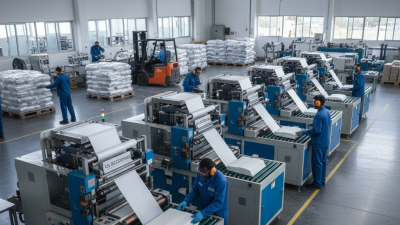
In 2026, the polythene bag manufacturing industry is likely to embrace several emerging technologies that enhance efficiency and sustainability. One significant trend involves advanced automation in production lines. Robotics can streamline bag production, minimizing human error and increasing output. Automated systems allow for precision manufacturing, reducing waste material and energy consumption. This shift may lead to a more environmentally friendly process, but it also raises concerns about job displacement.
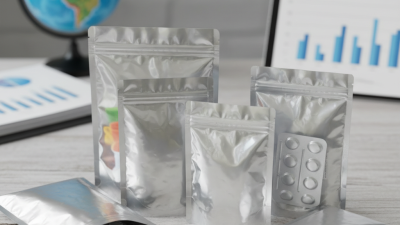
Another promising area is the integration of biodegradable materials into polythene bags. This technology focuses on creating bags that decompose naturally, addressing environmental challenges. Many manufacturers are exploring alternatives that retain the functionality of traditional polythene while promoting sustainability. However, the effectiveness of these new materials in varying conditions remains a topic of debate among experts. Some users report issues with durability, which may affect overall consumer satisfaction.
The rise of digital technologies, such as IoT and AI, also plays a crucial role in modernizing the manufacturing process. These technologies enable real-time monitoring of production performance and resource management. However, the initial investment in these digital solutions can be substantial, posing a challenge for smaller manufacturers. As the industry navigates these developments, balancing innovation with practical implementation will be essential for long-term success in the global market.
2026 Best Polythene Bag Manufacturing Trends for Global Buyers
| Trend |
Description |
Benefits |
Projected Impact |
| Biodegradable Materials |
Incorporating materials that break down easily in the environment. |
Reduces landfill waste and enhances brand image. |
High willingness to pay from eco-conscious consumers. |
| Smart Packaging |
Incorporating QR codes and NFC chips for consumer interaction. |
Enhances user experience and provides product information. |
Increase in consumer engagement and sales. |
| Lightweight Designs |
Focusing on reducing material usage while maintaining strength. |
Lower shipping costs and environmental footprint. |
Positive impact on overall supply chain efficiency. |
| Customizability |
Offering personalized designs for brands and consumers. |
Boosts brand recognition and customer loyalty. |
Higher market differentiation and niche targeting. |
| Recyclable Materials |
Utilizing materials that can be reused in the production cycle. |
Encourages sustainability efforts and reduces waste. |
Contributes to circular economy initiatives. |
Sustainability Trends Impacting the Polythene Bag Industry
Sustainability is reshaping the polythene bag industry. As consumers become more eco-conscious, manufacturers are under pressure to adopt greener practices. The use of recycled materials is on the rise. Companies are exploring biodegradable options too. This change can enhance brand loyalty among consumers.
Tips: Consider using alternative materials. Look into compostable bags or reusable options. Align with suppliers who prioritize sustainability.
Innovation is crucial. Manufacturers are investing in technology that reduces waste. By streamlining production processes, they can cut down on energy consumption. A focus on circular economy principles is gaining traction. Products can be designed to be reused or recycled.
Tips: Regularly assess your supply chain. Ensure it meets sustainability standards. Engage workers in eco-friendly practices to create a culture of responsibility.
2026 Best Polythene Bag Manufacturing Trends
Consumer Preferences and Market Demand for Polythene Bags
In 2026, the polythene bag market will reflect shifting consumer preferences. Many buyers now seek bags that balance functionality with environmental responsibility. They show a growing interest in sustainable options, such as biodegradable materials and recyclable designs. These preferences will drive innovation in manufacturing processes.
Market demand is increasingly influenced by eco-conscious consumers. A significant portion seeks out polythene bags with reduced environmental impact. Brands that adapt quickly to these trends may find themselves at a competitive advantage. However, some manufacturers struggle to keep pace. Understanding consumer needs is key to overcoming these challenges.
Not all innovations are embraced equally. Some designs may fail to capture consumer interest, highlighting the need for market research. Bag durability versus sustainability presents a complex dilemma. The industry needs to focus on solutions that satisfy both. Engaging consumers in this dialogue can foster a broader understanding of their true preferences.
Innovative Designs and Functionalities in Modern Polythene Bags
The landscape of polythene bag manufacturing is rapidly evolving. Innovative designs are at the forefront, catering to eco-conscious consumers. A recent report from the Flexible Packaging Association highlighted a 14% increase in demand for biodegradable polythene bags. This shift reflects a commitment to sustainable solutions in packaging.
Functionality is also a key focus. Modern polythene bags now feature enhanced durability and multifunctionality. Usability has improved significantly, with designs that incorporate easy-open mechanisms and resealable options. According to industry surveys, 78% of consumers prefer bags that offer convenience along with sustainability. However, the challenge remains in balancing innovation with environmental impact. Many manufacturers are still figuring out how to align production methods with green goals.
These changes are promising, yet they require deeper reflection. As the market adapts, there's a growing need for robust testing on the durability of new materials. Current standards may not fully capture the long-term performance of these innovations. Continuous improvement and rigorous evaluation processes are essential to ensure that these new designs meet consumer expectations while supporting environmental objectives.
Global Regulatory Changes Influencing Polythene Bag Production
Global regulations are shaping the future of polythene bag production. In recent years, many countries have tightened their environmental policies. These changes aim to reduce plastic waste and promote sustainability. Manufacturers face pressure to adopt eco-friendly practices. This shift impacts sourcing materials and production techniques.
Some regions enforce strict limits on single-use plastics. Others incentivize recycling and biodegradable options. These regulations push manufacturers to innovate. Companies are exploring alternatives to traditional polythene. There’s a growing demand for products that meet these new standards. Buyers are increasingly seeking sustainable solutions in their supply chains.
However, adapting to these regulations can be challenging. Not all manufacturers can pivot quickly. The cost of sustainable materials often exceeds traditional options. This creates a gap for smaller businesses that struggle to comply. Finding the right balance between cost and compliance is essential. The future of polythene bag manufacturing relies on navigating these regulatory landscapes effectively.