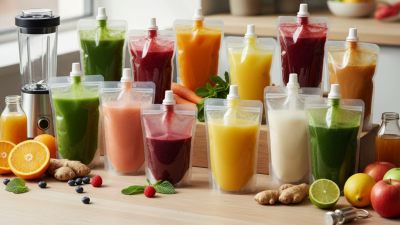
2026 How to Choose the Best Juice Bag for Your Needs?
Selecting the right Juice Bag is crucial for optimal functionality. According to the Global Juice Packaging Market Report, the industry is projected to grow by 6.5% annually through 2026. Factors like material, size, and design significantly influence the purchasing decision. Expert Tom Greene, a renowned authority in packaging solutions, states, "The right Juice Bag can enhance user experience and reduce waste."
In today’s market, Juice Bags come in various materials—plastic, paper, and biodegradable options. Each option offers distinct benefits that cater to different consumer needs. Durability and convenience remain common concerns. A well-designed Juice Bag can minimize spills and leaks, upping your satisfaction with your beverage. However, it’s easy to overlook specific features that matter most for your situation.
While many brands boast innovative designs, not all Juice Bags deliver on their promises. It is essential to analyze product reviews and customer feedback. Some users report issues with sealing mechanisms or the bag's ability to withstand temperature changes. Gathering insights can help target a choice that suits your needs best. Reflexive analysis of available options will enable you to identify the perfect Juice Bag tailored for you.
Factors to Consider When Choosing a Juice Bag
When choosing a juice bag, there are key factors to consider for your needs. Start with size and capacity. Think about how much juice you will typically make. A larger bag might seem convenient, but it can be cumbersome. If you often make small batches, a smaller capacity may be better suited for you.
Material matters too. A durable bag can withstand the rigors of juicing. Look for options that are BPA-free and easy to clean. Some bags may have a tendency to leak, which could waste your juice. Test different materials to see what feels best and holds up over time.
Tips: Always check reviews before making a purchase. User feedback can reveal hidden issues. Consider trying out a bag in-store, if possible. This can help you assess the bag's weight and usability. Remember, the right choice should fit seamlessly into your juicing routine. Take your time to reflect on what works best for you; rushing can lead to regrets later.
Types of Juice Bags: Comparison of Materials and Designs
When selecting a juice bag, materials and designs play a vital role. Common options include silicone, plastic, and fabric. Silicone bags are flexible and durable. They do not retain odors. However, they can be more expensive. Plastic bags are lightweight and often cheaper. They're great for one-time use, but their environmental impact is significant. Fabric bags made from cotton are compostable but may require additional care to clean.
Design also influences usability. Wide openings allow easier filling and cleaning. Some bags come with spouts for convenient pouring. Others have zip-lock features to minimize spills. Think about how you plan to use the bag. Will it be for on-the-go smoothies or meal prep? A bag designed for travel will differ from one meant for storage.
Choosing the right bag isn't just about materials. It's about finding a design that suits your routine. You might prefer a sturdy bag for daily use. Or perhaps, you need something portable for special occasions. Reflect on your habits and lifestyle. The right choice enhances the juicing experience, making it more enjoyable.
How to Assess the Size and Capacity of a Juice Bag
When selecting a juice bag, assessing size and capacity is crucial. Think about how much juice you'll typically make. A smaller bag might suffice for quick drinks, while larger options suit bulk preparation needs. Consider your lifestyle. Do you juice daily or occasionally? Frequent juicers may need bigger storage.
Visualize your storage space. If you have limited room, compact bags are more suitable. Check dimensions before purchasing. Some bags claim to hold more than they actually do. Misleading labels can lead to frustration. Hence, validating actual capacity is essential.
Reflect on the juice types you prefer. Some juices may expand when frozen. Ensure the bag accommodates those conditions. Choose a bag that balances your personal needs with thematic considerations like portability and ease of cleaning. This ensures your juice bag truly fits your lifestyle.
2026 How to Choose the Best Juice Bag for Your Needs? - How to Assess the Size and Capacity of a Juice Bag
| Juice Bag Type |
Capacity (Liters) |
Material |
Features |
Best For |
| Reusable Juice Bag |
5 |
Silicone |
Eco-friendly, Dishwasher Safe |
Daily Use |
| Portable Juice Bag |
1.5 |
Plastic |
Lightweight, Leak-proof |
Traveling |
| Bulk Juice Bag |
10 |
Canvas |
Sturdy, High Capacity |
Juice Bars |
| Infuser Juice Bag |
2 |
Borosilicate Glass |
Infuser, Temperature Resistant |
Health Enthusiasts |
| Compostable Juice Bag |
3 |
PLA |
Biodegradable, Sustainable |
Eco-conscious Consumers |
Evaluating Durability and Longevity of Juice Bags
When selecting a juice bag, durability plays a crucial role. Research from industry analysts indicates that high-quality juice bags can last up to three times longer than their counterparts. A key factor in assessing durability is the material used. Many bags are made from reinforced plastics, which can withstand significant wear and tear. These materials resist tearing and puncturing, ensuring your juice stays contained.
Moreover, the construction methods also affect longevity. Bags with double-layer designs offer enhanced protection against leaks. In contrast, single-layer bags often fail more quickly. A study conducted by Packaging Innovation experts suggested that 65% of consumers prioritize durability when purchasing juice bags. They recognize that a sturdy bag not only preserves freshness but also contributes to sustainability by reducing waste.
However, not all bags claim to be durable. Some may seem appealing due to lower prices. Yet, they can compromise on quality, leading to disappointment. Consumers should carefully evaluate customer reviews and expert ratings. This information can reveal the true durability of a juice bag over time. Making an informed decision requires attention to detail and an understanding of the materials involved.
2026 Juice Bag Durability Evaluation
This chart evaluates the durability and longevity of different types of juice bags based on material and usage scenarios.
Tips for Maintenance and Cleaning of Juice Bags
Maintaining your juice bag is essential for longevity and hygiene. After each use, rinse it with warm water to remove any residue. This helps prevent buildup and odors. A simple brush can reach stubborn spots. Don’t forget the corners; any leftover juice can lead to mold.
Cleaning your juice bag thoroughly is crucial. Use a mixture of water and mild soap for a deep clean. Allow it to air dry completely. Leaving moisture inside may cause bacteria to thrive. You might also want to check for any tears or leaks. Repairing minor issues can prolong its usability.
Occasionally, soak your juice bag in a vinegar solution. This can eliminate lingering smells and sanitize the fabric. However, ensure that it’s safe to do so to avoid damaging your bag. Experiment with different cleaning methods. Some may work better than others based on your usage frequency. Remember, a well-maintained juice bag enhances your juicing experience.