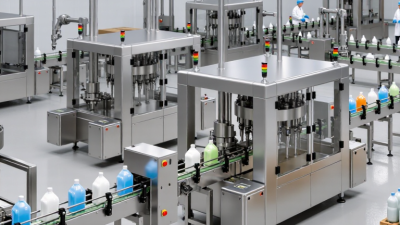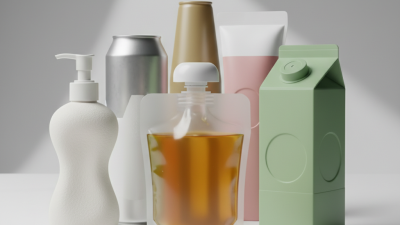
Choosing the right Liquid Packaging format can determine product safety, shelf life, shipping cost, and customer trust. Global buyers must compare more than appearance. They need to examine viscosity, oxygen sensitivity, filling speed, closure performance, and recycling options. A thin juice may suit a PET bottle, while a thick sauce may require a wide-mouth container. Small details matter.
David Luttenberger, Global Packaging Director at Mintel, has emphasized that “packaging is no longer just a container; it is part of the product experience.” This view reflects current purchasing realities. A bottle must protect the liquid, communicate quality, and work smoothly on automated filling lines. A leaking cap can damage cartons, warehouse floors, and long-term supplier relationships. An attractive pouch may reduce material use, yet its barrier layer can complicate recycling. The answer is rarely simple.
This guide reviews ten widely used Liquid Packaging types for international buyers. It considers bottles, cans, cartons, pouches, drums, jerry cans, and flexible containers. Each option has practical strengths and limitations. Some are efficient for high-volume transport. Others perform better on retail shelves or during repeated use.
The ranking is not absolute. Regional infrastructure, product chemistry, handling conditions, and customer expectations can change the result. That deserves attention. A package that performs well in one market may create waste or filling problems elsewhere. Buyers should validate samples, request technical data, and test closures before placing large orders. Cost alone can mislead. Reliable packaging protects both the liquid and the business behind it.
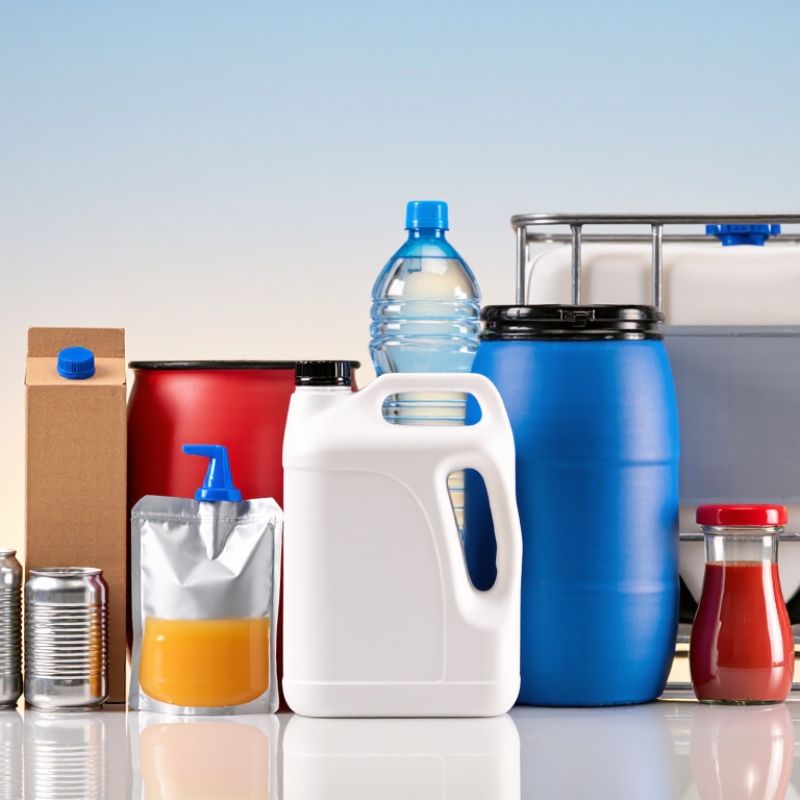
Liquid packaging fundamentals begin with product compatibility, not appearance. The ten practical formats include PET bottles, HDPE bottles, glass bottles, aluminum cans, cartons, pouches, sachets, bag-in-box systems, jerrycans, and drums. Each format changes filling speed, transport weight, leakage risk, and shelf life. A beverage may suit PET, while a light-sensitive liquid may need opaque HDPE or coated aluminum. Glass offers strong barrier performance, but its weight increases freight emissions and breakage exposure. No format wins every lane.
According to Smithers’ The Future of Global Packaging to 2028, the global packaging market is projected to exceed 1.3 trillion US dollars by 2028. That scale makes small specification errors expensive. Global buyers should verify oxygen transmission, water vapor resistance, seal integrity, closure torque, and temperature tolerance. PMMI’s 2024 packaging insights also emphasize automation, sustainability, and flexible production as major purchasing considerations. Ask for migration testing and transport trials. Real conditions matter. A package that survives a factory line may fail after weeks in a hot container. Recycled content can reduce virgin material use, but it may also affect clarity, odor, or mechanical strength. This trade-off deserves more scrutiny. A useful specification sheet should record the liquid’s pH, viscosity, density, filling temperature, destination climate, and recycling requirements before supplier comparison begins.
Liquid Packaging Fundamentals for Global Buyers
The chart compares ten widely used liquid packaging formats by a representative nominal capacity. Small formats are commonly used for single-use and portion-controlled products, while drums and IBC totes support bulk transportation. Actual capacities vary according to product density, filling equipment, regulations, and destination-market requirements.
Data basis: representative nominal pack sizes commonly used in international liquid packaging; this is not a market-share ranking.
Flexible liquid packaging helps global buyers reduce weight, storage space, and transport costs.
Common formats include spouted pouches, sachets, stand-up pouches, and bag-in-box systems.
Spouted pouches suit sauces, beverages, detergents, and personal-care liquids. Sachets work well for single-use portions, especially in hospitality and travel markets. Bag-in-box packaging supports larger volumes, such as juice, cooking liquids, and cleaning solutions.
Material selection depends on the product, filling method, and distribution conditions.
Multilayer films can improve oxygen, moisture, light, and puncture resistance. A strong seal matters when packages face vibration, stacking, or temperature changes. Buyers should review film compatibility, spout design, closure performance, and recycling requirements with qualified suppliers.
Practical testing should include drop tests, leak checks, shelf-life studies, and transportation simulations. Lab results can differ from warehouse reality. That gap deserves attention.
Tips:
Match the barrier structure to the liquid, not only the package shape. Check whether the pouch can stand securely after opening. Request samples filled with the actual product. Test both warm and cold conditions. Leaks happen. Fit matters. Also, measure dispensing control, because a low-cost package may create product waste during use.
Top 10 Liquid Packaging Types for Global Buyers
Rigid Liquid Packaging Types and Their Applications
Rigid packaging protects liquids during filling, stacking, transport, and repeated handling. In practical evaluations, container choice starts with viscosity, chemical compatibility, closure design, and distribution conditions.
HDPE bottles suit detergents, milk, and personal-care liquids because they resist impact. PET bottles provide clarity and light weight for water, beverages, and cooking oils. Glass bottles support premium presentation and strong barrier performance, but they add weight and breakage risk. Aluminum cans protect beverages from light and oxygen. Steel cans handle certain industrial liquids and demanding storage environments. Rigid plastic tubes work well for sauces, creams, and thick gels, especially with controlled dispensing.
Jerry cans provide secure handling for household, agricultural, and maintenance liquids. Plastic pails support paints, coatings, and viscous products, with wide openings for filling and cleaning. Steel drums offer high strength for bulk industrial liquids, while plastic drums resist corrosion and simplify manual handling. Intermediate bulk containers, or IBCs, move large liquid volumes efficiently on pallets, reducing frequent transfers.
Small details matter. A loose cap can ruin good material selection. A narrow neck may slow filling and frustrate users. I have seen transparent packaging expose sediment that buyers considered unattractive, although the product remained safe. That response deserves attention. Packaging decisions should also consider temperature changes, drop testing, pallet stability, recycling systems, and local filling equipment. No rigid format is perfect. A lighter container may lower transport emissions, yet it can deform more easily under pressure.
Industrial and retail liquids need different packaging decisions. Common formats include IBC totes, steel drums, plastic drums, jerry cans, pails, bag-in-box systems, rigid bottles, flexible pouches, tubes, and dispensing cartridges. Each option manages a different balance of volume, protection, handling, and presentation. IBC totes suit bulk transport. Small bottles serve household, cosmetic, and maintenance products. Flexible pouches reduce material use, but they need careful seal testing.
Material selection depends on viscosity, chemical compatibility, temperature, and storage time. High-density plastic often supports durable containers, while laminated structures can protect sensitive liquids from light and oxygen. Closures also matter. A leaking cap can damage cartons, pallets, and customer trust. For industrial products, stack strength, pallet stability, and forklift access deserve early testing. Retail packaging needs comfortable grips, clear labels, controlled dispensing, and tamper evidence.
I have seen efficient designs fail because the pouring angle was ignored. Small details matter. Packaging engineers should test filled units under vibration, drops, compression, and temperature changes. They should also verify migration limits, recycling claims, and labeling requirements in each target market. No format is perfect. A pouch may reduce shipping weight, yet a rigid container can offer better warehouse durability. This trade-off needs honest review, not attractive figures alone. Suppliers should document material specifications, closure performance, batch controls, and quality inspections before large-scale production.
| No. | Liquid Packaging Type | Common Materials | Typical Capacity Range | Best-Suited Products | Key Protection Features | Common Closure or Dispensing System | Primary Buyer Segment | Important Purchasing Considerations |
|---|---|---|---|---|---|---|---|---|
| 1 | HDPE Bottles and Jugs | High-density polyethylene; optional fluorination or multilayer barrier structures | 100 mL–20 L | Detergents, household chemicals, personal-care liquids, lubricants, agricultural products | Good impact resistance, moisture resistance, chemical compatibility, and light protection when pigmented | Screw caps, flip-top caps, trigger sprayers, pumps, or induction-sealed closures | RetailIndustrial | Check chemical compatibility, wall thickness, UN certification where required, handle design, and recycled-content requirements |
| 2 | PET Bottles | Polyethylene terephthalate; optional recycled PET content and barrier coatings | 100 mL–5 L | Beverages, edible oils, sauces, liquid supplements, cosmetics, and selected cleaning products | Lightweight, transparent, rigid, shatter-resistant, and suitable for high-speed filling | Screw caps, sports closures, dispensing caps, pumps, or tamper-evident bands | Retail | Evaluate oxygen and carbon-dioxide barrier needs, hot-fill or cold-fill compatibility, neck finish, and recycling infrastructure |
| 3 | Glass Bottles and Jars | Soda-lime glass; clear, amber, or colored glass | 50 mL–5 L | Food sauces, beverages, fragrances, pharmaceuticals, laboratory liquids, and premium cosmetics | Excellent chemical inertness, strong gas barrier, high product visibility, and protection from odor migration | Screw caps, corks, droppers, pumps, crimp closures, or tamper-evident lids | RetailSpecialty | Consider breakage risk, transport weight, thermal-shock resistance, neck finish, and protective secondary packaging |
| 4 | Aluminum Cans and Bottles | Aluminum alloy with internal protective lacquer and printed or sleeved exterior | 150 mL–1 L | Carbonated drinks, energy beverages, specialty liquids, personal-care products, and selected chemical formulations | Excellent light and oxygen protection, low weight, high transport efficiency, and good recyclability where collection exists | Easy-open ends, screw caps, aerosol valves, or standard beverage closures | RetailSpecialty | Verify internal coating compatibility, pressure rating, seam quality, dent resistance, and filling-line requirements |
| 5 | Steel Drums | Carbon steel or stainless steel; internal lining may be used for compatibility | 60– drum sizes up to approximately 220 L | Solvents, coatings, lubricants, chemicals, oils, resins, and industrial ingredients | High mechanical strength, stackability, and suitability for hazardous or regulated liquids when certified | Plug-and-flange closures, bung openings, gaskets, and tamper-evident seals | Industrial | Confirm UN performance certification, corrosion resistance, lining type, drum reconditioning status, and handling equipment compatibility |
| 6 | Intermediate Bulk Containers (IBCs) | HDPE inner bottle with galvanized or painted steel cage and pallet base | Typically 500–1,000 L | Industrial chemicals, liquid ingredients, detergents, coatings, water-treatment products, and agricultural liquids | Efficient bulk transport, stackable footprint, integrated pallet base, and reduced handling compared with multiple small containers | Top fill opening with bottom discharge valve; optional tamper-evident caps and protective covers | IndustrialBulk Logistics | Check UN certification, valve design, cage strength, aseptic requirements, reconditioning policy, and compatibility with forklifts and pumps |
| 7 | Bag-in-Box Systems | Flexible multilayer film bag inside corrugated fiberboard or rigid outer packaging | 1.5–25 L for retail and foodservice; larger formats are available for industrial use | Juices, wine, sauces, syrups, dairy liquids, cleaning concentrates, and dispensing products | Low package weight, efficient cube utilization, reduced product exposure after opening, and strong oxygen-barrier options | Fitments, tap valves, threaded connectors, or pump-compatible dispensing ports | RetailFoodserviceIndustrial | Assess film barrier, fitment integrity, drop resistance, dispensing performance, shelf-life requirements, and local recycling limitations |
| 8 | Aseptic Liquid Cartons | Paperboard with polyethylene layers and a thin aluminum barrier layer in selected structures | 125 mL–2 L for retail; larger formats are used in foodservice applications | UHT milk, plant-based beverages, juices, broths, and other shelf-stable liquid foods | Protection from light and oxygen, long ambient shelf life, low transport weight, and efficient rectangular stacking | Straw openings, pull tabs, screw caps, or integrated pouring spouts | RetailFoodservice | Confirm filling-system compatibility, sterilization method, barrier structure, seal integrity, and availability of local recycling facilities |
| 9 | Flexible Liquid Pouches | Polyethylene, polypropylene, polyester, nylon, metallized film, or multilayer combinations | 50 mL–5 L; larger industrial formats are also available | Baby food, sauces, beverages, detergents, refills, cosmetics, and concentrated liquids | Low material use, compact storage, customizable barrier performance, and convenient lightweight handling | Spouts, screw caps, fitments, tear notches, sliders, or welded dispensing ports | RetailIndustrial | Review seal strength, puncture resistance, filling speed, barrier needs, spout torque, leak testing, and end-of-life options |
| 10 | Plastic or Metal Pails | HDPE, polypropylene, tin-plated steel, or coated steel | 1–25 L | Paints, adhesives, construction chemicals, lubricants, food ingredients, and industrial compounds | Wide opening for filling and access, durable handling, stackability, and good protection for viscous liquids | Lever-lock lids, screw lids, snap-fit lids, pour spouts, or metal handles | IndustrialRetail | Consider lid security, gasket performance, handle strength, stacking load, product viscosity, lining requirements, and UN certification |
Top 10 Liquid Packaging Types for Global Buyers
Global buyers often compare price first, then regret ignoring filling conditions. Liquid packaging is a system, not just a container. Compare ten options: PET, HDPE, glass, aluminum, tinplate, pouches, tubes, bag-in-box, aseptic cartons, and drums. Match each type with viscosity, acidity, oxygen sensitivity, light exposure, and filling temperature.
Build a scorecard with unit cost, minimum order quantity, package weight, pallet efficiency, leakage risk, and closure performance. A lightweight pouch may reduce freight volume, but it can need stronger secondary packaging. Glass offers excellent product protection, yet breakage and higher transport weight can damage margins. HDPE suits many household and personal-care liquids, while aseptic cartons may support longer shelf life without refrigeration. Details matter.
Request material specifications, migration reports, seal tests, and transport simulations. Check how the package performs after vibration, stacking, heat, and sudden temperature changes. Confirm destination-market requirements before placing a large order. Packaging that passes a factory test may still fail during humid ocean transport. No scorecard is perfect. Real sourcing decisions involve compromises. I would also test a small shipment before approving full-scale production, even when the supplier appears reliable.