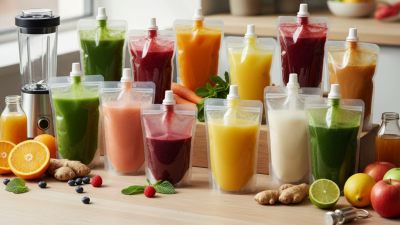
China Top Drinks Packaging Solutions You Need to Consider?
In recent years, the Chinese drinks packaging market has experienced significant growth. According to a report from ResearchAndMarkets, the drinks packaging sector in China is projected to reach a staggering USD 22 billion by 2025. This growth reflects increasing consumer demand for diverse beverage options and eco-friendly packaging solutions. Companies are now prioritizing sustainability in their drinks packaging strategies.
The shift towards environmentally sustainable materials is vital. Consumer preferences are changing, with over 60% of buyers prioritizing eco-friendly packaging. This shift poses challenges for manufacturers to innovate while ensuring quality and functionality. Furthermore, the competitive landscape requires brands to stand out. Unique and attractive drinks packaging can enhance brand visibility and influence consumer choices.
Adopting cutting-edge technologies can also improve production efficiency. Automated packaging solutions help reduce costs and meet growing demand. However, companies must remain vigilant about balancing innovation with reliability in their drinks packaging offerings. Failure to do so could lead to customer dissatisfaction and lost sales. The drinks packaging sector is at a critical juncture, and navigating these complexities is essential for success.
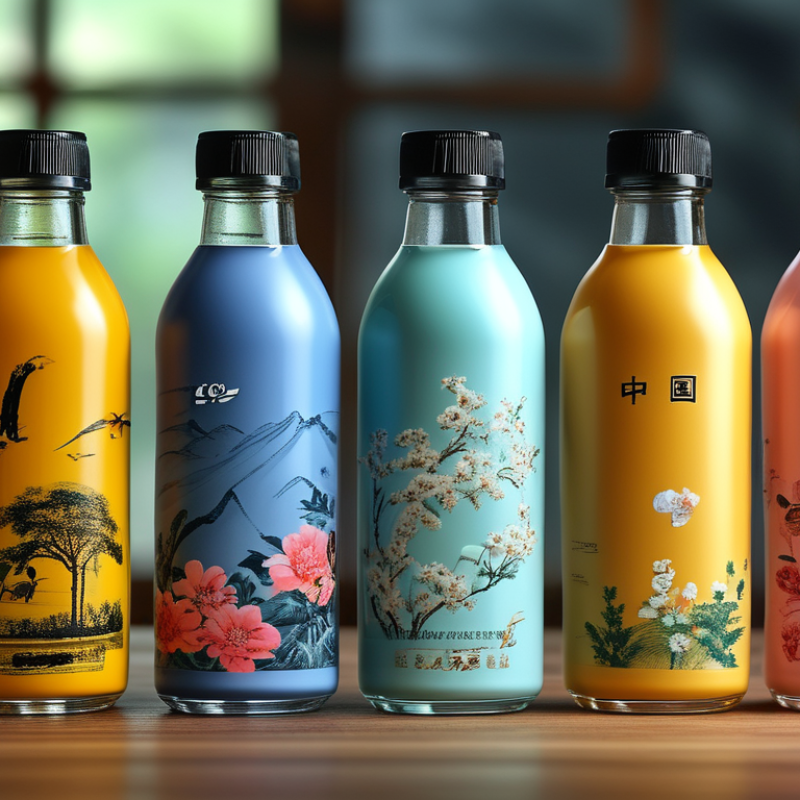
China’s Beverage Packaging Market Overview and Growth Projections
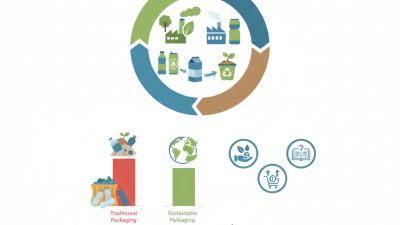
China's beverage packaging market is rapidly evolving. As consumer preferences shift, innovative solutions are necessary. Sustainable packaging options are gaining traction. Brands are focusing on eco-friendly materials, reducing their carbon footprint. This transition reflects broader environmental concerns among consumers.
Tips: Explore materials that are both biodegradable and cost-effective. Research shows that consumers are willing to pay more for sustainable products. Your choice of packaging may impact brand loyalty significantly.
In terms of growth projections, the competition will tighten. New technologies will lead the way, creating smarter packaging solutions. Features like QR codes and NFC chips allow for enhanced consumer interaction. However, integrating these technologies can be challenging and may require additional investment.
Tips: Stay updated on tech trends within the industry. Engaging with tech experts could save you time and resources. Not every innovative idea will fit your brand, so select wisely.
Key Trends in Sustainable Packaging for Chinese Beverage Industry
Sustainable packaging is gaining traction in the Chinese beverage industry. This shift responds to consumer demand for environmentally responsible products. Eco-friendly materials are becoming increasingly popular. Biodegradable plastics and recycled materials are leading the way. These options not only reduce waste but also lower carbon footprints.
As businesses consider new packaging solutions, innovation plays a crucial role. Companies are exploring smart packaging, which enhances user experience. This includes features like QR codes that provide recycling information. However, challenges remain. Many brands struggle to balance cost and sustainability. Finding affordable materials can be daunting.
Chinese consumers are more aware of environmental issues. They expect brands to take responsibility for their packaging waste. Transparency in sourcing and production processes is essential. Brands that openly share their sustainability goals may gain consumer trust. Yet, the journey towards complete sustainability is ongoing. Continuous improvement is necessary to meet evolving expectations.
Analysis of Innovative Packaging Technologies Used in China
China's beverage packaging industry is rapidly evolving. Innovative technologies are redefining how products reach consumers. Research indicates that the market for beverage packaging solutions is expected to grow at an annual rate of 4.5%, driven by increasing demand for eco-friendly materials and smart packaging options.
Digital printing technology is gaining traction, allowing brands to personalize packaging. This technology reduces waste and provides detailed printing options. In a recent study, it was noted that approximately 60% of consumers prefer brands with personalized packaging. Another trend is the use of biodegradable materials. As environmental concerns rise, many companies are exploring alternatives to plastic. A report suggests that sales of biodegradable packaging could reach $48 billion by 2027.
Tips: When selecting packaging solutions, consider the environmental impact. Evaluate if the materials used are sustainable. Stay informed on new technologies and consumer preferences. Regularly review your packaging strategy to keep up with market trends. As the industry evolves, remaining adaptable is crucial for maintaining competitiveness.
Analysis of Innovative Packaging Technologies Used in China
Impact of Consumer Preferences on Beverage Packaging Solutions in China
In recent years, the preferences of Chinese consumers have significantly influenced beverage packaging. Consumers are increasingly prioritizing sustainability. They often choose brands that use eco-friendly materials. This shift is not just a trend; it reflects a deeper awareness of environmental issues. Many customers now expect clear packaging information regarding recyclability and biodegradability.
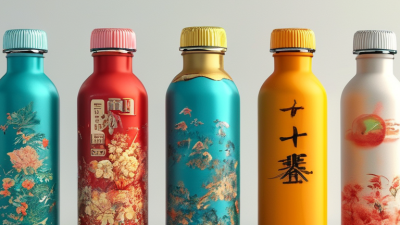
Moreover, aesthetics play a critical role in packaging decisions. Vibrant colors and innovative designs capture attention on crowded shelves. Many shoppers associate unique packaging with superior quality. However, finding a balance between eye-catching design and sustainability remains challenging for many producers. Some brands struggle to let go of traditional materials that hurt their sustainable image.
Technology is also shaping consumer expectations. Smart packaging, such as QR codes for product information, is gaining popularity. Yet, not all consumers are comfortable with these changes. Some prefer simplicity over digital enhancements. The evolving landscape requires brands to stay attuned to consumer feedback. Understanding these nuanced preferences is vital for successful beverage packaging strategies in China.
Regulatory Framework Governing Beverage Packaging in China
In China, the regulatory framework governing beverage packaging is intricate and evolving. The country has established stringent guidelines to improve environmental sustainability. The National Development and Reform Commission (NDRC) has issued policies aimed at reducing plastic waste. Reports indicate that about 60 million tons of plastic waste are generated annually in China. This statistic highlights the urgency for effective packaging solutions.
The Law on the Prevention and Control of Environmental Pollution by Solid Waste emphasizes responsibility for packaging waste management. Companies must design packaging that minimizes waste. Failure to comply can lead to significant fines. Surveys show that approximately 70% of consumers in China are concerned about packaging waste, prompting businesses to adapt their strategies.
Moreover, China's Food Safety Law requires that packaging materials are safe and suitable for food contact. Recent studies revealed that 45% of beverage companies faced compliance challenges due to changing regulations. This pressure applies to both local manufacturers and international brands. The dynamic nature of these laws necessitates ongoing education and adaptation in the industry. Stakeholders should remain informed to navigate this complex landscape effectively.
China Top Drinks Packaging Solutions You Need to Consider
| Packaging Type |
Material |
Sustainability Rating |
Regulatory Compliance |
Cost (CNY) |
| PET Bottles |
Polyethylene Terephthalate |
Moderate |
GB 9685-2016 |
2.00 |
| Glass Bottles |
Glass |
High |
GB 4806.1-2016 |
5.00 |
| Aluminum Cans |
Aluminum |
Moderate |
GB 4806.6-2016 |
3.50 |
| Cartons |
Paperboard and Plastic |
High |
GB 9687-2016 |
1.50 |
| Flexible Pouches |
Composite Films |
Moderate |
GB 4806.4-2016 |
1.00 |