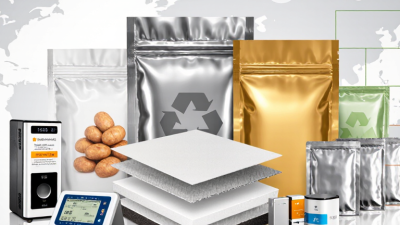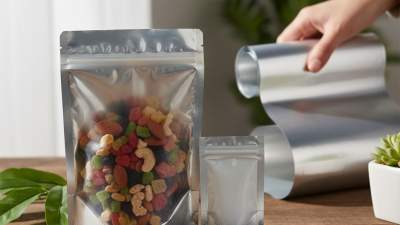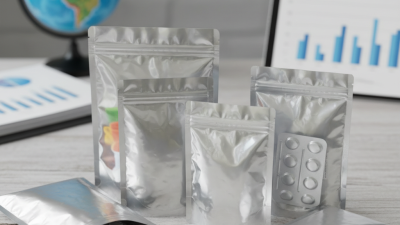
Global packaging is rarely simple. Products may travel through humid ports, cold warehouses, and dusty distribution centers before reaching customers. Barrier Bags help protect sensitive goods from moisture, oxygen, light, odors, and external contamination. Their layered structures can support longer shelf life and more stable product quality during demanding transport.
A practical packaging decision begins with the product itself. Powdered ingredients, coffee, pet food, pharmaceutical materials, and electronic components may require different barrier levels. Material selection should consider oxygen transmission, moisture vapor transmission, seal strength, filling conditions, and expected storage time. It should also reflect destination climate and handling practices. Small details matter. A weak seal can undermine an otherwise advanced package.
Real packaging experience shows that Barrier Bags are valuable, but they are not a universal answer. Their performance depends on correct specifications, reliable sealing equipment, suitable outer cartons, and controlled quality checks. Packaging teams should request technical data, review supplier testing, and verify performance through transport simulations. Independent laboratory evaluation can provide stronger evidence than marketing claims alone.
There is room for improvement.
Even experienced teams sometimes focus too heavily on barrier ratings. They may overlook opening convenience, recyclability, print durability, or warehouse efficiency. A responsible global packaging strategy balances protection, cost, compliance, and environmental goals. Requirements also vary between markets, so professional guidance remains important. The best solution is not always the thickest bag. It is the one that protects the product consistently, communicates trust, and performs reliably from production line to final delivery.
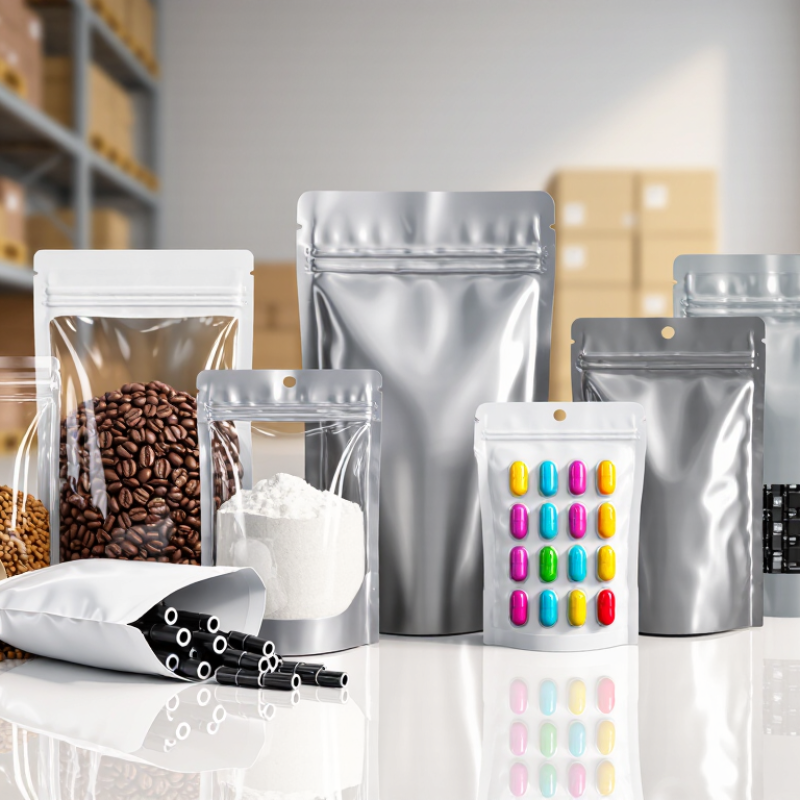
Barrier bags are flexible packages designed to slow the movement of oxygen, moisture, light, aromas, and other gases.
They usually combine several thin layers, such as polyethylene, polyester, aluminum foil, or clear coated film. Each layer serves a different purpose.
One may provide toughness, while another creates the main barrier. The inner layer supports heat sealing and helps protect the packed product.
Their performance depends on structure and use. A moisture-sensitive powder may need strong water-vapor resistance. Coffee, dried foods, and pharmaceutical materials may also require oxygen or aroma protection.
The barrier layer reduces gas transfer by forcing molecules through a difficult path. Seals, folds, and punctures matter too. A perfect film can still fail at a weak seal.
In global packaging, barrier bags can reduce product loss during storage and transport. They are lightweight, space-efficient, and often easier to handle than rigid containers.
However, selection should follow testing, not guesswork. Humidity, temperature changes, filling pressure, and shipping time can alter performance. That detail is easy to overlook.
Packaging teams should review specifications, test seal strength, and confirm compliance with destination-market requirements.
No barrier is permanent. It only slows exposure for a planned period.
That limitation deserves honest attention.
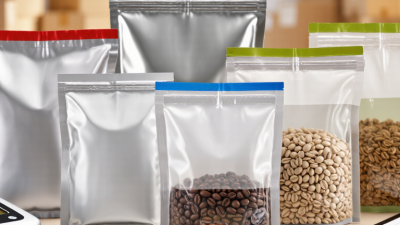
Barrier bags are especially useful for products that lose quality through oxygen, moisture, light, or odor transfer.
In packaging trials, I have seen crisp snacks soften after a weak seal allowed humidity inside. Roasted coffee, tea, dried fruit, powdered drink mixes, nuts, and dehydrated meals often benefit from this protection. Their flavor, texture, and usable life can change quickly in ordinary film.
Short sentences help. Not every product needs the highest barrier level. Overengineering can increase material use and cost without improving the customer’s experience.
Products with sensitive ingredients need more than a strong outer layer. A well-designed bag combines suitable barrier film, dependable seals, and careful filling conditions. Powdered foods may require protection from clumping, while oily snacks need resistance to grease and aroma loss. Light-sensitive contents can benefit from opaque or metallized structures, provided the package supports recycling goals.
For regulated products, packaging teams should verify requirements through documented testing and qualified review. I would check seal strength, leak resistance, oxygen transmission, moisture transmission, and storage performance before making a shelf-life claim.
Real distribution is less gentle than a warehouse. Vibration, stacking, heat, and repeated handling expose weak points.
One limitation deserves attention. Barrier bags cannot rescue poor product formulation or careless sealing. Field feedback may also reveal that a bag is difficult to open, reseal, or empty completely. Those details seem minor, but users notice them.
Global shipping exposes products to humidity, oxygen, light, and repeated temperature changes. UNCTAD’s Review of Maritime Transport reports that ships carry over 80% of global merchandise trade by volume. That scale magnifies small packaging weaknesses. Barrier bags use layered films to slow moisture and oxygen transfer during long journeys. They also reduce exposure to dust, odors, and brief condensation inside containers. Small leaks matter.
The FAO’s The State of Food and Agriculture estimates that 13.2% of food is lost between harvest and retail worldwide. Barrier packaging cannot prevent every loss. Yet it can protect sensitive goods when handling, storage, and sealing are properly controlled. A practical specification should match the product’s moisture sensitivity, storage time, and shipping climate. Testing often includes ASTM F1249 for water vapor transmission and ASTM D3985 for oxygen transmission. These figures help replace guesswork with measurable performance.
Field experience shows that the bag is only one part of the system. A strong laminate can still fail if seals contain dust or receive excessive heat. Seal width, filling volume, and pallet compression deserve attention. Container desiccants may also help during humid voyages, but they are not a substitute for sound barrier design. Some teams choose thicker films automatically. That can increase material use without solving the real failure point. A better approach reviews test results, handling records, and storage conditions together.
Barrier bags rely on carefully selected materials to protect products from oxygen, moisture, light, and odors. Each layer has a specific job. Polyethylene often forms the inner sealing layer because it seals reliably under heat. Polyester adds strength, stiffness, and print support. Nylon improves puncture resistance, especially during filling and transport. EVOH can provide strong oxygen protection, but it may lose performance in high humidity.
Aluminum foil offers excellent protection against light, oxygen, and moisture. Metallized polyester creates a lighter alternative, although its barrier level can vary after folding or abrasion. Some bags use multilayer laminates, such as polyester, foil, and polyethylene. Others use coextruded films, which combine several polymers during film production. Adhesive or tie layers connect materials that cannot bond naturally.
The structure must match the product and shipping conditions. Dry powders may need moisture protection, while sensitive foods may require oxygen and aroma control. A common mistake is choosing the thickest film without checking seal strength or recycling goals. No structure is perfect. In packaging trials, a bag may pass laboratory tests but fail after rough handling. Testing should include seal integrity, drop resistance, humidity exposure, and storage time. Film selection also deserves review when product weight, filling temperature, or transport routes change.
Barrier bags combine multiple layers to control oxygen and moisture transmission. The chart compares representative oxygen transmission rates (OTR) for commonly used packaging materials and structures at 23°C and 0% relative humidity. Lower values indicate stronger oxygen protection.
Typical OTR values are approximate and vary with film thickness, humidity, temperature, sealing quality, and flex-crack resistance. Aluminum foil and metallized layers are commonly combined with polyethylene or polypropylene sealant layers to create practical barrier-bag structures.
Choosing barrier bags for international distribution requires more than selecting the highest barrier rating. Start with the product’s actual risks: oxygen, moisture, light, aroma loss, punctures, or seal failure. The FAO reported that 13.2% of food was lost between harvest and retail in 2023. Packaging cannot solve every loss, but suitable barrier performance can protect quality during long storage and ocean transport. A dry powder may need strong moisture resistance, while roasted products may require oxygen control and aroma retention.
Ask suppliers for measured oxygen transmission rate and water vapor transmission rate, tested under stated conditions. ISO 15105-1 and ASTM F1249 can support transparent comparisons. Test the complete bag, not only the film. Seals, corners, and filling temperature often become the weakest points. They fail quietly.
International needs also require practical checks. Confirm roll width, bag dimensions, pallet efficiency, recycling instructions, and performance across humidity changes. The International Energy Agency reports that global trade remains highly dependent on maritime transport, so bags may face weeks of vibration, compression, and temperature variation. A laboratory result alone is not enough. Run pilot shipments with real cartons and warehouse handling. Smithers’ barrier packaging research also highlights rising demand for longer shelf life and resource-efficient formats, but lighter material is not automatically better. A thinner bag may reduce material use, yet create more punctures or waste. Choose the lowest material weight that survives the journey, and document every test condition.
| Barrier Bag Structure | Typical Oxygen Transmission Rate (cc/m²/day) |
Typical Water Vapor Transmission Rate (g/m²/day) |
Light Protection | Typical International Applications | Key Advantages | Main Limitations | Global Selection Guidance |
|---|---|---|---|---|---|---|---|
| Uncoated PE Film | Approximately 1,000–4,000 23°C, 0% RH |
Approximately 0.5–2.0 38°C, 90% RH |
Low | Short-distance transport, non-sensitive dry goods, secondary packaging | Flexible, heat-sealable, lightweight, and widely available | Limited oxygen and aroma protection; generally transparent | Use only when product sensitivity, shelf life, and climatic exposure are low. |
| PET/PE Laminate | Approximately 50–150 23°C, 0% RH |
Approximately 0.3–0.8 38°C, 90% RH |
Low to Medium | Powders, snacks, grains, household products, and general dry goods | Improved stiffness, printability, sealability, and mechanical strength | Moderate oxygen barrier; limited protection from light and aggressive aromas | A practical choice for standard export routes where extreme barrier performance is unnecessary. |
| Metallized PET/PE | Approximately 0.5–5 23°C, 0% RH |
Approximately 0.05–0.3 38°C, 90% RH |
High | Roasted foods, coffee, powdered products, nutraceuticals, and moisture-sensitive goods | Strong protection against oxygen, moisture, and light with relatively low material weight | Barrier performance can decline if the metallized layer is scratched or damaged | Well suited to long ocean or air shipments when light and moisture protection are important. |
| EVOH Multilayer Film | Approximately 0.1–2 23°C, 0% RH |
Approximately 0.1–0.8 38°C, 90% RH |
Low | Food products, medical items, and oxygen-sensitive products requiring a transparent package | Very strong oxygen barrier under dry conditions; transparent and suitable for visual inspection | Oxygen barrier may decrease at high humidity; usually requires protective outer layers | Choose when product visibility is required and humidity can be controlled by the package design. |
| Aluminum Foil Laminate | Typically below 0.1 23°C, 0% RH |
Typically below 0.1 38°C, 90% RH |
Very High | High-value powders, pharmaceuticals, electronics, specialty chemicals, and long-term storage goods | Excellent protection against oxygen, moisture, light, and many external contaminants | Higher material cost; reduced flexibility compared with some plastic-only structures; foil can crease or puncture | Best for demanding global routes, long shelf life, severe humidity, and high product sensitivity. |
| Transparent SiOx- or AlOx-Coated Film | Approximately 0.1–5 23°C, 0% RH |
Approximately 0.1–0.5 38°C, 90% RH |
Low to Medium | Premium foods, medical products, cosmetics, and products requiring product visibility | High barrier performance with transparency and improved package appearance | Coating may be sensitive to flexing, abrasion, or poor converting conditions | Useful when transparency, premium presentation, and high barrier performance must be combined. |