Top Tips for Successful Polythene Bag Manufacturing Today?
The landscape of Polythene Bag Manufacturing has transformed significantly in recent years. According to a 2022 market report by MarketWatch, the global demand for polythene bags is expected to grow at a CAGR of over 4% until 2030. This growth comes as businesses navigate a mix of sustainability pressures and consumer preferences. Industry expert, Dr. John Hargreaves, states, "Innovation in polythene production is essential for aligning with environmental goals."
Sustainable practices now play a pivotal role. Companies increasingly focus on recycling and biodegradable materials to meet regulatory standards and market demands. However, maintaining quality while adopting these practices can be challenging. Many manufacturers face inefficiencies that can affect their output and profitability. Evaluating existing processes and technologies is crucial for achieving better results.
Moreover, the competitive landscape requires a sharp focus on customer needs. Brands are closely watching trends in functionality and design. Manufacturers that respond swiftly and creatively hold a competitive edge. Yet, the constant evolution in consumer expectations poses a risk for those who fail to adapt. Continuous innovation is not just beneficial; it is necessary for thriving in the world of Polythene Bag Manufacturing.
Understanding the Polythene Bag Manufacturing Process
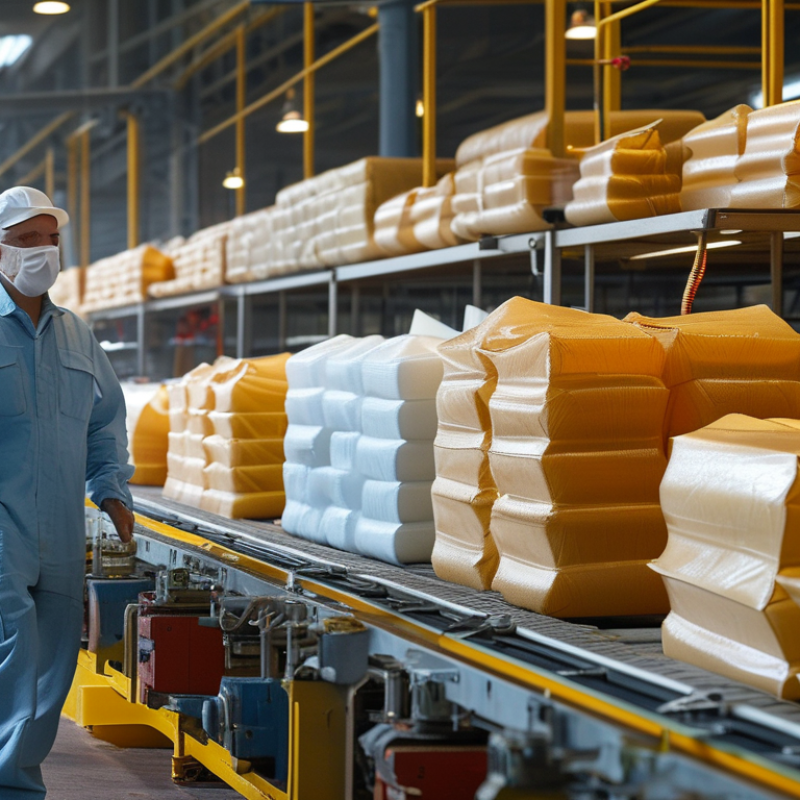
The polythene bag manufacturing process involves several key stages, each crucial for producing quality products. The process starts with polymerization, where ethylene is converted into polyethylene resin. This resin serves as the raw material. According to industry data, the global market for polyethylene reached approximately 120 million metric tons in 2021, showcasing its importance in various applications.
Next, the resin undergoes extrusion, where it is melted and shaped into films. This stage requires precise temperature control to ensure even thickness. The extrusion process can produce films of various widths and gauges. A report from the Plastics Industry Association indicates that the demand for polythene bags is projected to grow by 4.2% annually. However, manufacturers must reflect on the environmental impact of this growth, as single-use plastics face scrutiny.
After extrusion, the films are converted into bags through cutting and sealing. Quality control is essential during this phase. Many manufacturers employ rigorous testing to check for leaks and durability. Despite advances, challenges remain in achieving optimal efficiency while minimizing waste. Manufacturing facilities often deal with machine downtime due to maintenance issues. Continuous improvement in processes can help mitigate these concerns, fostering a more sustainable approach in a competitive market.
Key Materials and Their Impact on Product Quality
In polythene bag manufacturing, the choice of materials significantly influences the final product's quality. High-density polyethylene (HDPE) and low-density polyethylene (LDPE) are two prominent materials used in this industry. According to a report from the Plastics Industry Association, HDPE bags offer higher tensile strength, making them ideal for heavier items. Meanwhile, LDPE bags are softer and more flexible, suitable for applications requiring stretchability.
The thickness of the material also plays a critical role. Bags that are too thin may tear easily, leading to complaints and returns. A study by the Flexible Packaging Association shows that bags with a thickness of 30-50 microns tend to perform best in various conditions. However, manufacturers often struggle with balancing cost and quality. Using recycled materials can reduce expenses but may compromise strength. This dilemma requires manufacturers to reflect on their sourcing strategies and quality standards continuously.
Another vital factor is the manufacturing process itself. A well-controlled extrusion process can enhance the uniformity and quality of the bags. Poorly managed processes can lead to variability, impacting the product's performance. Regular audits and process optimizations are necessary, yet many manufacturers overlook this essential aspect. Continuous education on new technologies and materials is required to stay competitive in an evolving market.
Top Tips for Successful Polythene Bag Manufacturing Today? - Key Materials and Their Impact on Product Quality
| Material Type |
Impact on Product Quality |
Sustainability Level |
Cost (per kg) |
| Low-Density Polyethylene (LDPE) |
High flexibility, low puncture resistance |
Moderate |
$1.50 |
| High-Density Polyethylene (HDPE) |
Better strength, more rigid |
Low |
$1.20 |
| Linear Low-Density Polyethylene (LLDPE) |
Good impact and puncture resistance |
Moderate |
$1.40 |
| Recycled Polyethylene (rPE) |
Variable quality, lower environmental impact |
High |
$0.90 |
| Biodegradable Polymers |
Environmental benefit, variability in durability |
Very High |
$2.00 |
Essential Machinery and Equipment for Efficient Production
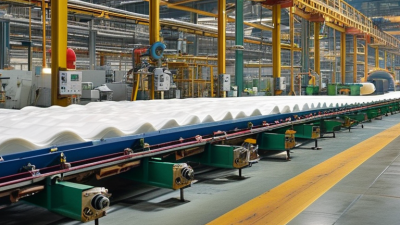
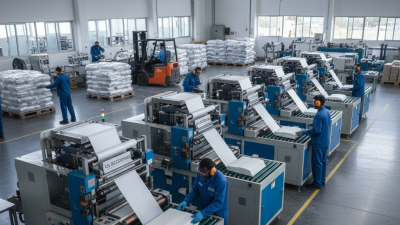
Efficiency in polythene bag manufacturing hinges on using the right machinery and equipment. Key equipment includes high-speed extrusion lines, capable of producing various products quickly. These lines should have precise temperature controls to ensure consistent quality. Agility in switching from one product to another is essential, as customer demands often change.
Investing in modern cutting and sealing machines can significantly enhance production rates. These machines should feature automated controls for accuracy. However, not all manufacturers may afford the latest technology. In such cases, gradual upgrades can also yield improvements. Regular maintenance of existing machinery should not be overlooked; it affects efficiency and output quality.
Staff training is vital for maximizing equipment usage. Workers should understand how to operate machinery effectively and troubleshoot common issues. This can reduce downtime and improve overall productivity. Continuous learning opportunities promote adaptability in an ever-changing market, which is essential for success. Adopting these strategies can be challenging, but they are key to staying competitive in the industry.
Quality Control Measures in Polythene Bag Manufacturing
In the polythene bag manufacturing industry, quality control is crucial for success. According to a report by the global plastic packaging market, the demand for polythene bags is expected to reach over 20 million tons by 2025. This growth heightens the necessity for stringent quality measures. Manufacturers must focus on raw material quality, processing conditions, and the final product testing.
Implementing a robust quality control system involves regular inspections at various stages. Many companies report that roughly 15% of their production is rejected due to quality concerns. Common issues include material thickness variation and inadequate sealing strength. These factors can lead to product failure in the field. Regular training for staff on quality standards can help mitigate these risks.
Investing in advanced testing equipment can also enhance reliability. For instance, utilizing tensile strength testers ensures that bags meet specified durability standards. Studies have shown that businesses with comprehensive quality management systems see a 30% reduction in production flaws. Nevertheless, many manufacturers still overlook these essential measures, which can lead to long-term losses. Reflecting on these gaps is vital for improvement.
Sustainable Practices and Innovations in the Industry
Sustainable practices in polythene bag manufacturing are gaining traction. The industry is increasingly shifting towards eco-friendly materials. Manufacturers are working with bio-based plastics. These materials offer a renewable alternative to traditional polythene. However, the costs and availability can be challenging.
Innovative recycling techniques are also emerging. Companies are investing in closed-loop systems. This reduces waste and maximizes resource use. Packaging made from recycled materials is becoming standard. Yet, consumer education remains crucial. Many still view recycled products as inferior. This perception needs addressing through better marketing.
Meanwhile, adopting energy-efficient processes is essential. Machines that consume less energy help lower overall carbon footprints. However, the upfront investment can deter smaller manufacturers. Implementing these changes is a gradual process. Manufacturers must balance sustainability with profitability. The path is not always clear-cut, and regular assessments are necessary to improve practices.