How to Choose the Best Aluminium Bag Supplier
Choosing the best Aluminium Bag supplier is about more than comparing unit prices. The right partner should understand your product, explain material options clearly, and provide samples that match real production conditions. A bag that looks sturdy under showroom lights may split at a sealed edge or feel wrong on a filling line. Small details matter.
A practical buyer’s principle, voiced here by fictional packaging adviser Daniel Reed, is: “Trust the sample, verify the process, and question every promise that lacks evidence.” That is a useful place to start, though no single sample can prove long-term consistency. Ask suppliers for specifications, production tolerances, quality checks, and clear answers about lead times. Compare print sharpness, seal strength, surface feel, and how the bag performs with your actual product. Ask what happens when a batch falls outside agreed expectations.
Good suppliers welcome specific questions. They can explain trade-offs between thickness, barrier performance, finish, and cost without hiding behind vague claims. Their communication matters too. A delayed reply during sampling can become a larger problem during a tight production run. Still, a polished presentation is not proof of dependable manufacturing. Check references where possible, review sample batches, and record what you agree on. Choosing carefully takes time. Some details may only become clear after testing. This guide outlines the questions, checks, and warning signs that can help you select an Aluminium Bag supplier with greater confidence.

Understanding Aluminium Bags and Their Common Applications
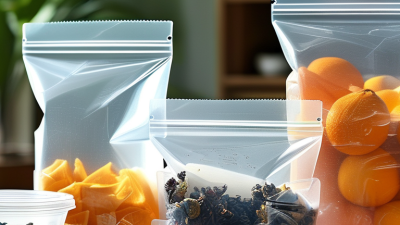
Aluminium bags are usually flexible laminates, not solid metal pouches. A thin aluminium-foil layer can help block light, oxygen, moisture, and odours, while plastic layers provide sealability and toughness. This structure suits coffee, powdered foods, snacks, cosmetics, and moisture-sensitive components. The right design depends on the product: oily foods may need strong seals, while coffee often benefits from a one-way valve. Small details matter.
European Aluminium’s report on 2020 packaging recovery estimated that 76% of aluminium packaging in Europe was recycled. That figure covers packaging broadly, not every foil-plastic pouch. Multi-layer bags can be difficult to sort and recycle, and local collection systems differ. A supplier should provide the laminate structure, barrier specifications, seal-strength test results, and clear end-of-life guidance. Ask for test conditions, too. Numbers without context can mislead.
Tips: Request samples and test them with your actual product, filling process, and storage conditions. Check seal integrity after handling, not just on a clean sample. A shiny finish can look convincing, but appearance alone proves little. Packaging choices involve trade-offs, and a high-barrier structure may complicate recycling. That part deserves an honest conversation with the supplier.
Defining Your Packaging Requirements and Supplier Criteria
Define the job before comparing aluminium bag suppliers. Record the product’s fill weight, moisture sensitivity, oil content, aroma, and expected shelf life. Note whether the bag needs a zipper, tear notch, window, or flat bottom. Details matter. A coffee pouch and a powdered-food pouch may look similar, yet need different barrier performance and seal settings.
Ask suppliers for a written structure specification, including foil thickness, laminate layers, dimensions, and sealing temperature range. Request test data for oxygen and water-vapor transmission, then compare results against your product’s storage needs. The OECD’s Global Plastics Outlook (2022) reports that packaging generated 40% of global plastic waste in 2019. This makes end-of-life options worth discussing, especially when a pouch combines several materials. Ask what collection or recycling pathways actually exist in your target market. Do not rely on a vague “recyclable” claim.
Supplier criteria should include quality controls, production capacity, lead times, and traceable batch records. Request samples and run them on your own filling line; a neat hand-cut sample can behave differently at speed. Check seal consistency, print registration, and pouch stability after filling. A low quotation may omit testing or setup costs. I have seen specifications remain too broad. Pin down tolerances and acceptance criteria before approving production.
Assessing Supplier Materials, Manufacturing, and Quality Standards
A reliable aluminium bag supplier should explain the material, not just quote a price. Ask whether the structure uses aluminium foil or metallised film; they offer different barrier performance. Request the layer specification, foil gauge, sealant type, and intended-use limits. Then compare oxygen and moisture transmission data for the finished bag, not only its raw film. Numbers matter. Ask for test methods, batch certificates, and records showing equipment calibration. ISO 9001 certification can indicate a documented quality system, but it does not prove that a particular pouch meets your barrier or seal requirements.
Manufacturing controls are just as important as material claims. Ask how the supplier checks seal strength, pinholes, and print registration, and how it traces each production lot. For food-contact applications, request relevant migration test documentation for the actual construction. The International Aluminium Institute’s Global Aluminium Cycle analysis estimates that about 75% of all aluminium ever produced remains in use. That figure supports careful material recovery, but a multilayer bag may be harder to recycle than its aluminium content suggests. Look closely. I would not accept a broad “recyclable” claim without knowing the local collection route and the exact bag structure. Suppliers may hesitate to share process details; that is worth noting, though not proof of poor quality. Ask for sample bags and test them under your real filling, sealing, and storage conditions.
How to Choose an Aluminium Bag Supplier
Representative aluminium foil layer thickness options used in flexible packaging
Foil gauges vary by application and laminate design; these are representative options, not universal requirements. Ask suppliers to document the foil gauge and full material structure, and review relevant test reports, manufacturing controls, and quality certifications before comparing offers.
Verifying Compliance, Capacity, Lead Times, and Customer Support
Ask for current quality certificates, food-contact declarations where relevant, and traceable material records. The ISO Survey 2023 counted 1,265,216 valid ISO 9001 certificates worldwide. Certification is a useful screen, not proof that every pouch seals consistently. Request recent inspection records, defect rates, and a sample made on the same production line you would use.
Check capacity with specifics: available line hours, monthly output, minimum order quantities, and backup equipment. Ask the supplier to show how it handles a rush order without quietly delaying existing customers. Compare quoted lead times with dated purchase orders from recent months. The World Bank’s 2023 Logistics Performance Index covered 139 economies, underscoring that delivery depends on transport routes as well as factory schedules. Get separate estimates for production, inspection, and shipping.
Test customer support before signing. Send a technical question about pouch dimensions or seal strength, then note how quickly and clearly the team responds. Ask who owns a quality complaint and what evidence they need. A polished presentation can hide vague answers. That deserves a second look. I would also leave room for a small pilot order; it may reveal flaws that a checklist misses.
Comparing Quotations and Selecting the Best-Fit Supplier
Compare like with like. Ask each supplier to price one written specification: pouch dimensions, foil thickness, laminate structure, seal width, print coverage, zipper, and tolerances. Otherwise, a lower unit price may hide a thinner barrier layer or narrower seal. Small details matter.
Separate tooling, sampling, freight, and payment terms from the bag price. Record minimum order quantity, lead time, defect limits, and replacement terms. Compare cost per usable bag, not just cost per thousand; weak seals or poor print registration can create costly scrap. Request production samples and test seal strength, leakage, and filled-pack performance using the same method. Check that the quoted material and dimensions match the sample.
Treat sustainability claims carefully. The International Aluminium Institute estimates that recycling aluminium uses about 5% of the energy required for primary production. That figure describes aluminium, not a finished multilayer bag; recyclability depends on its full structure and local collection systems. Ask suppliers for material specifications and evidence supporting recycled-content claims. A neat quotation still cannot predict every sealing issue. My comparison would need revision after a production trial, especially if the filling line runs faster than the sample test.
How to Choose the Best Aluminium Bag Supplier - Comparing Quotations and Selecting the Best-Fit Supplier
Sample comparison for a custom 150 × 220 mm, three-side-seal aluminium foil pouch order. The figures below are illustrative quotation data, not quotes from named suppliers. Ask every supplier to quote against the same written specification before making a decision.
Anonymous quotation comparison for 10,000 pouches
| Comparison dimension |
Quote A |
Quote B |
Quote C |
| Bag format and size |
Three-side-seal pouch; 150 × 220 mm |
Three-side-seal pouch; 150 × 220 mm |
Three-side-seal pouch; 150 × 220 mm |
| Quoted material structure |
PET / aluminium foil / PE |
PET / metallised PET / PE |
PET / aluminium foil / PE |
| Quoted total thickness |
100 μm |
100 μm |
120 μm |
| Printing and features |
Up to 8-colour gravure; tear notch |
Up to 8-colour gravure; tear notch |
Up to 8-colour gravure; tear notch |
| Minimum order quantity |
10,000 pieces |
10,000 pieces |
10,000 pieces |
| Unit price at quoted quantity |
US$0.205 per piece |
US$0.182 per piece |
US$0.228 per piece |
| Printing cylinder / setup charge |
US$250 |
US$420 |
US$180 |
| Estimated goods total for 10,000 pieces |
US$2,300 |
US$2,240 |
US$2,460 |
| Sample and production lead time |
Pre-production sample: 7–10 days; production: 25–30 days after artwork approval and deposit |
Pre-production sample: 7–10 days; production: 25–35 days after artwork approval and deposit |
Pre-production sample: 5–8 days; production: 20–25 days after artwork approval and deposit |
| Payment terms |
30% deposit; balance before dispatch |
50% deposit; balance before dispatch |
30% deposit; balance before dispatch |
| Delivery term and excluded costs |
FOB origin port; freight, insurance, duties, and taxes excluded |
FOB origin port; freight, insurance, duties, and taxes excluded |
FOB origin port; freight, insurance, duties, and taxes excluded |
| Documents to verify before ordering |
Material specification, food-contact declarations where applicable, and current quality-management certificates |
Material specification and food-contact declarations where applicable; confirm metallised film is acceptable for the intended product |
Material specification, food-contact declarations where applicable, and current quality-management certificates |
| Main consideration |
Matches the stated foil structure at a mid-range price; verify barrier performance and seal quality with samples |
Lowest initial total, but metallised PET is not aluminium foil; compare barrier performance and confirm whether it meets the product requirement |
Thicker foil laminate and shorter stated production lead time; higher unit cost, so validate whether the extra thickness is needed |
| Best-fit assessment |
Balanced option when the specified 100 μm foil structure and moderate cost are priorities |
Potential fit only if a metallised-film structure is acceptable; not a like-for-like foil quotation |
Potential fit when the thicker structure or shorter production lead time justifies the higher price |
Compare total landed cost, not unit price alone. Confirm the exact laminate, thickness tolerance, dimensions, print proof, seal requirements, food-contact compliance for the intended market, delivery schedule, and remedies for defects in writing. Goods totals shown exclude freight, insurance, duties, and taxes.